Water Damage Restoration Dacula, GA
When a pipe splits, an appliance leaks or a storm pushes water indoors, the restoration team in Dacula pulls out standing water, opens wet materials and dries the structure to a measured goal.
(888) 532-4616Describe the water and get a plan- Round the clock response
- IICRC S500 drying standard
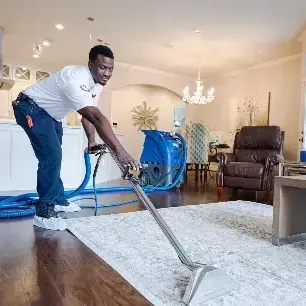
- Truck mount extraction
- Daily moisture readings
What to watch for here
- Hard rain that swells creeks and floods yards
- Ice storm freezes that split exposed pipes
- Slow leaks behind washers, heaters and ceilings
What to do when water first shows up
- 1
Shut off the supply at the fixture or the main valve, and switch off power to the wet room only if the panel is dry and safe to reach.
- 2
Move small furniture, rugs and electronics out of the wet area before the water wicks into legs and backing.
- 3
Photograph the source, every wet surface and damaged belongings before anything is thrown out, because the claim file starts with those pictures.
- 4
Keep people and pets away from any water that smells like sewage or carries mud, since that water needs protective gear to handle.
- 5
Call the restoration team before wet drywall, trim and subfloor soak up more water, and describe what you see.
Water that sits past 24 to 48 hours gives mold a start, so a quick call beats waiting to see whether a stain dries out on its own.
Dacula drying started helpWater Damage Restoration Services in Dacula, GA
Fourteen services cover what water does to local homes and storefronts, from a split supply pipe in a wall to a sewer backup through a floor drain.
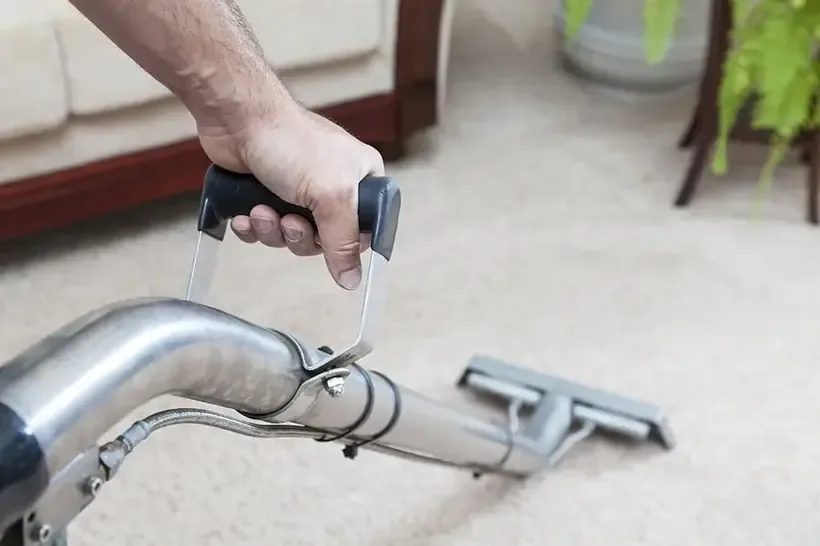 Water Extraction & RemovalPumps and wands pull standing water from carpet, pad and hard floors.How it gets handled
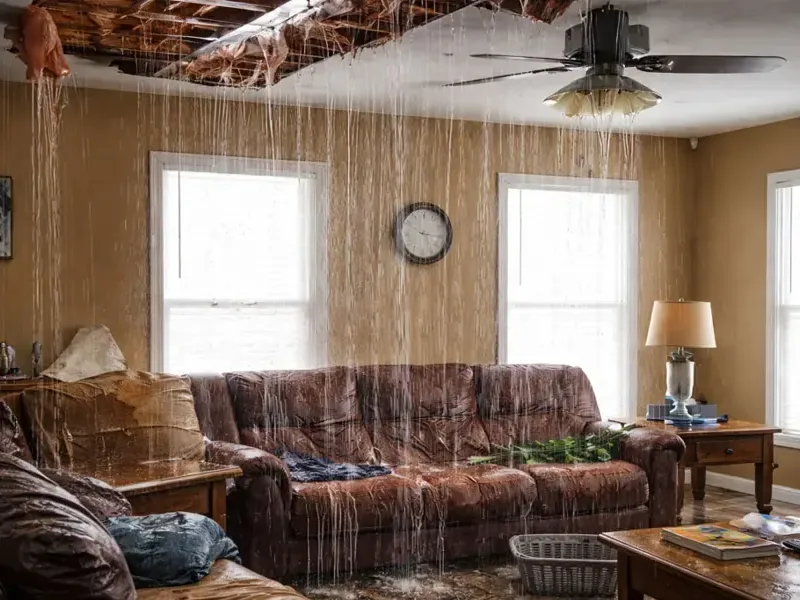 Burst Pipe CleanupWater from a split supply pipe is removed and wall cavities are opened to dry.How it gets handled
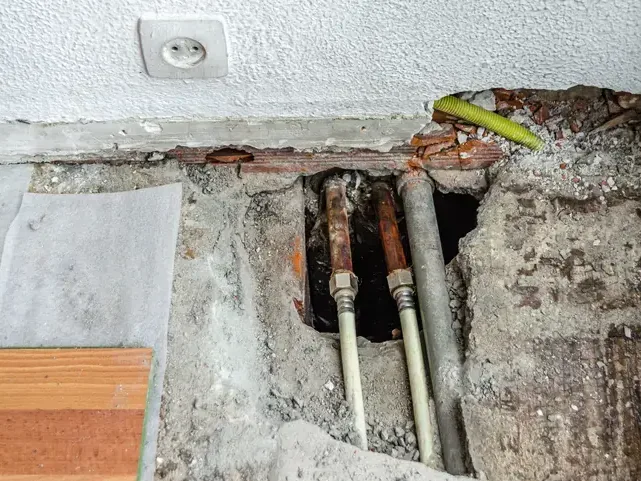 Slab Leak Water DamageFlooring over a leaking slab pipe is lifted and dried once the leak is found.How it gets handled
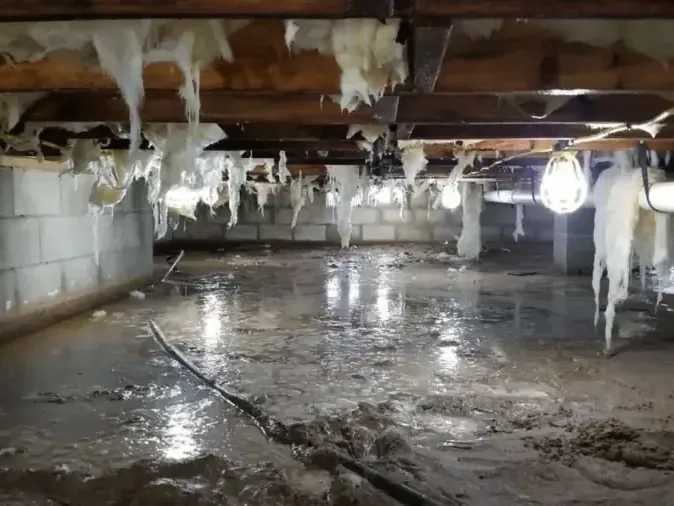 Crawl Space Water DamageStanding water and wet insulation under the floor are pumped out and dried to the framing.How it gets handled
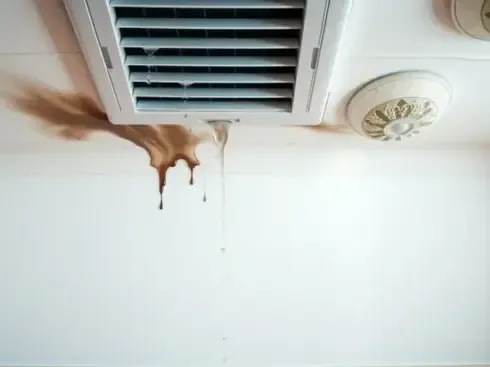 AC & Air Handler LeaksA backed up condensate drain or full pan that soaked a ceiling gets opened and dried.How it gets handled
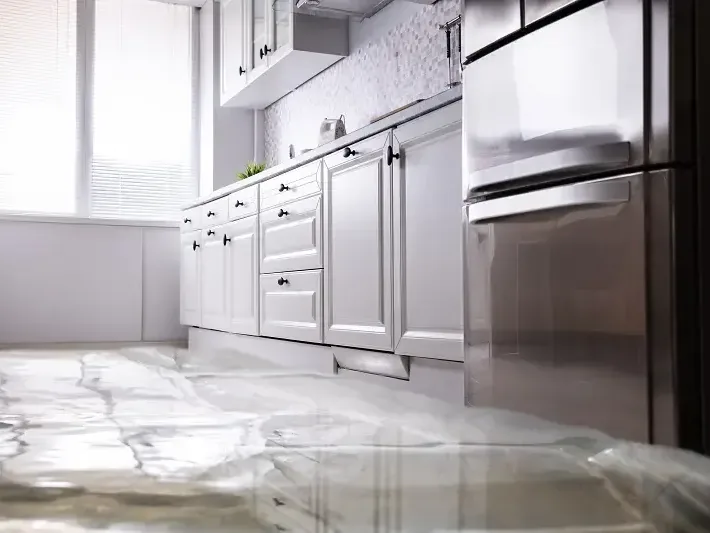 Appliance Leak CleanupWasher, dishwasher and refrigerator leaks are dried across floors, cabinets and the rooms below.How it gets handled
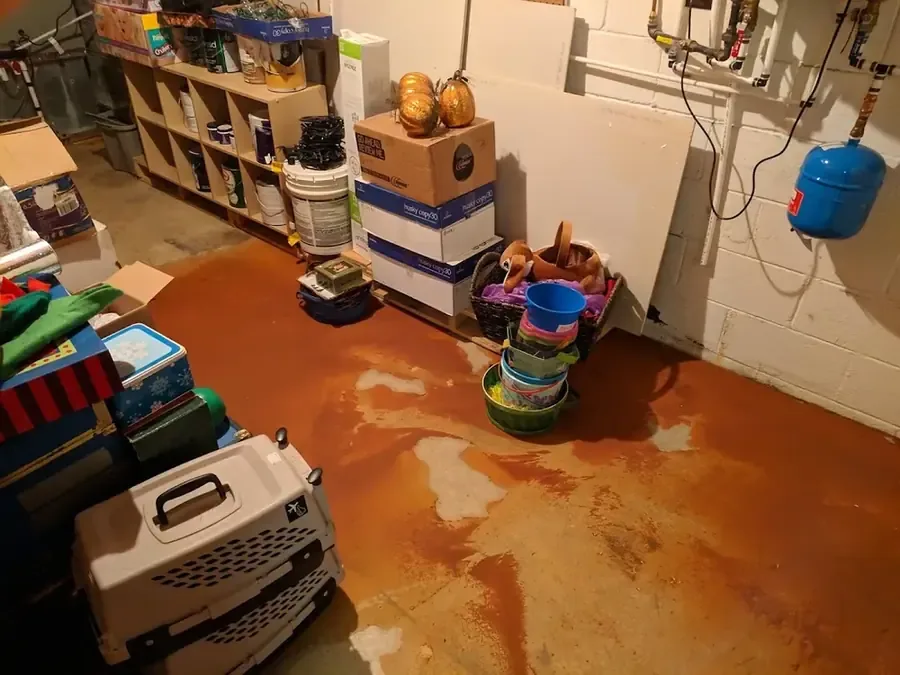 Water Heater Leak CleanupA failed tank or fitting is cleaned up and the wet floor, wall base and carpet dried.How it gets handled
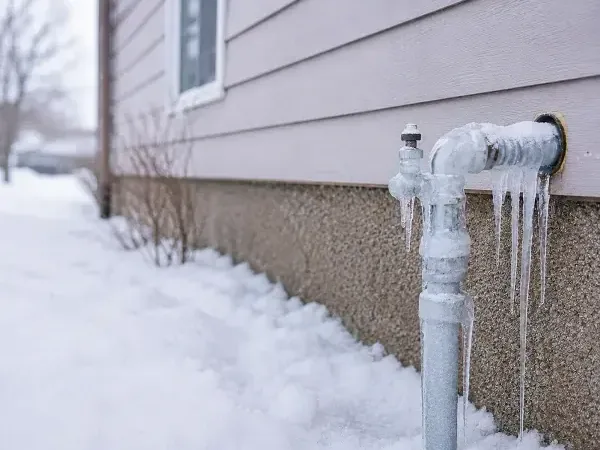 Frozen Pipe CleanupSplit pipes after a hard freeze are cleaned up and the soaked walls and ceilings dried.How it gets handled
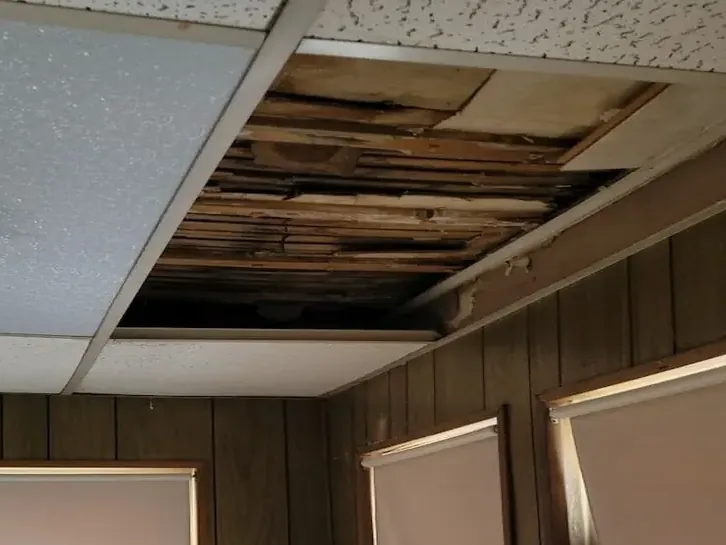 Roof Leak Water DamageRain that came through the roof is cleared from the attic, ceiling and rooms below.How it gets handled
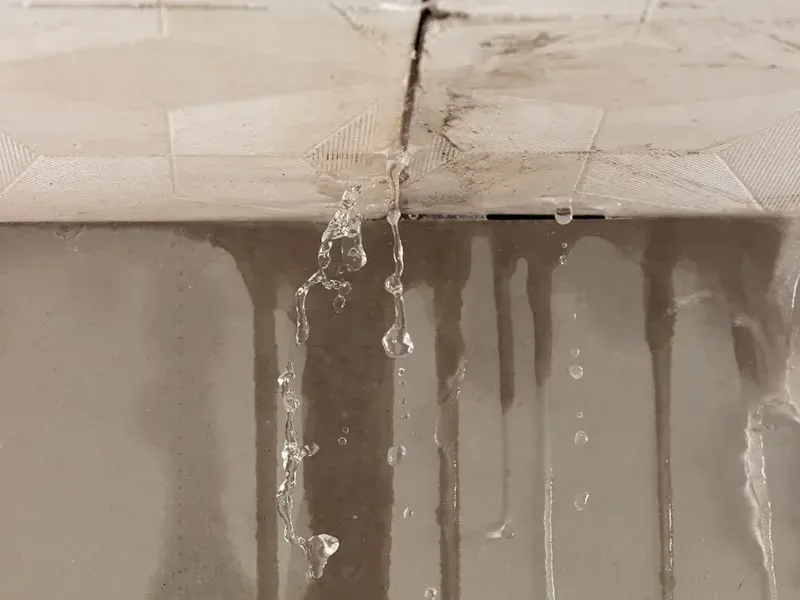 Ceiling Leak Water DamageStained or sagging ceilings are cut open, dried and checked for hidden wet insulation.How it gets handled
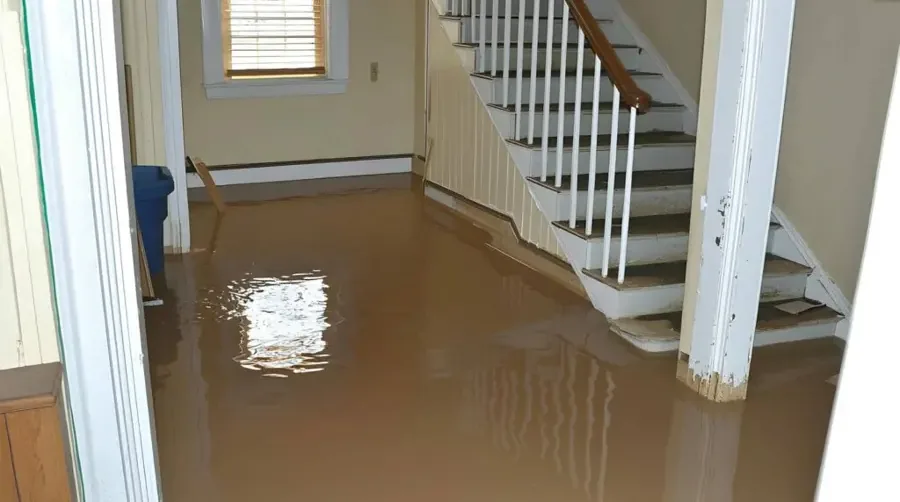
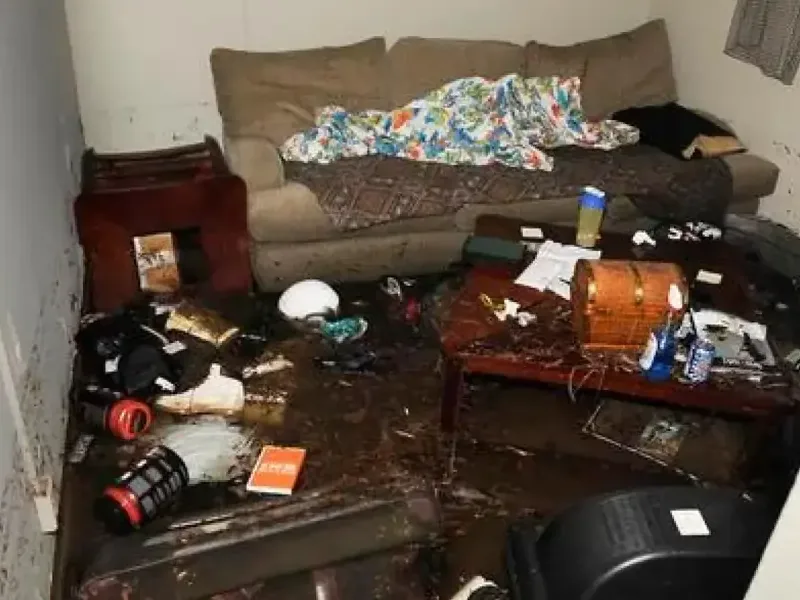 Storm & Flash Flood CleanupHeavy rain and flash flood water, mud included, is removed and the structure treated.How it gets handled
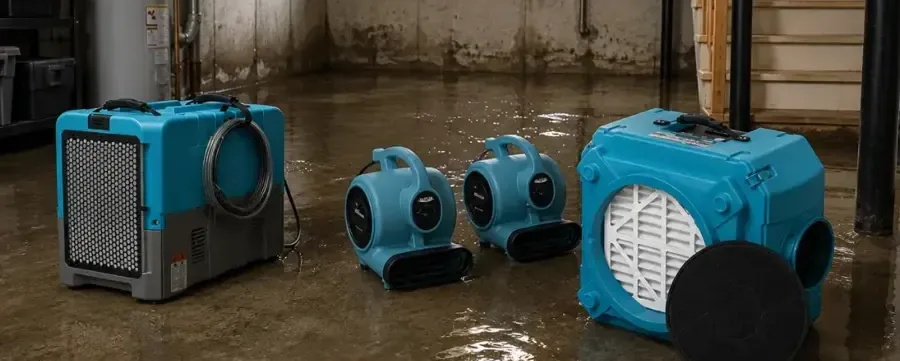
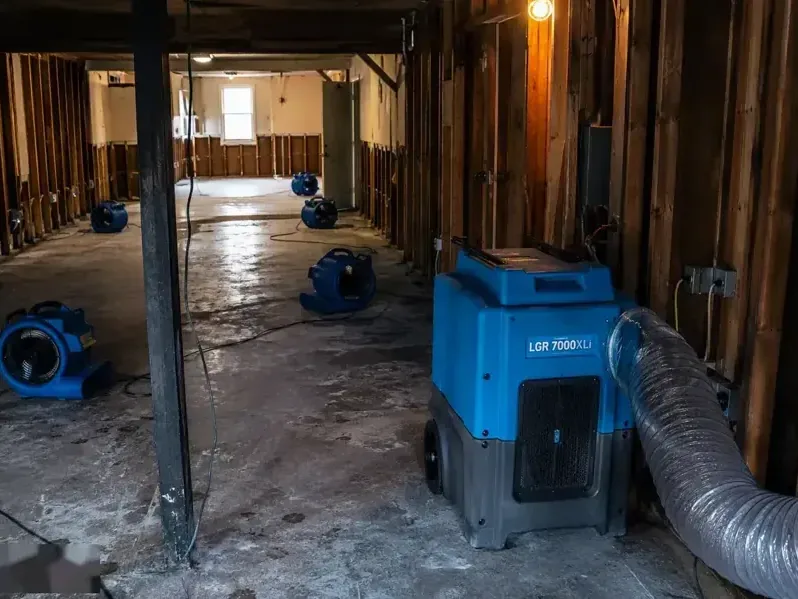 Structural Drying & DehumidificationAir movers and dehumidifiers dry framing, subfloor and drywall to a measured goal.How it gets handled
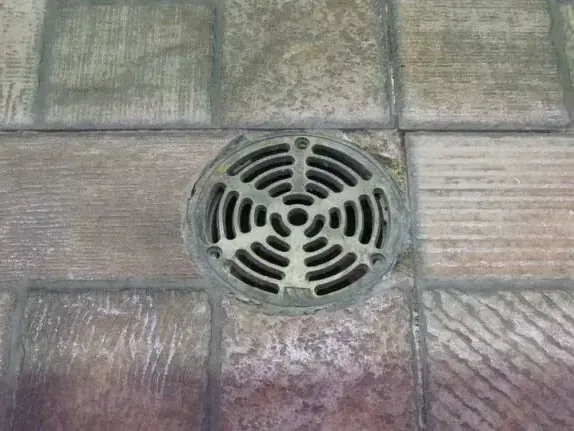
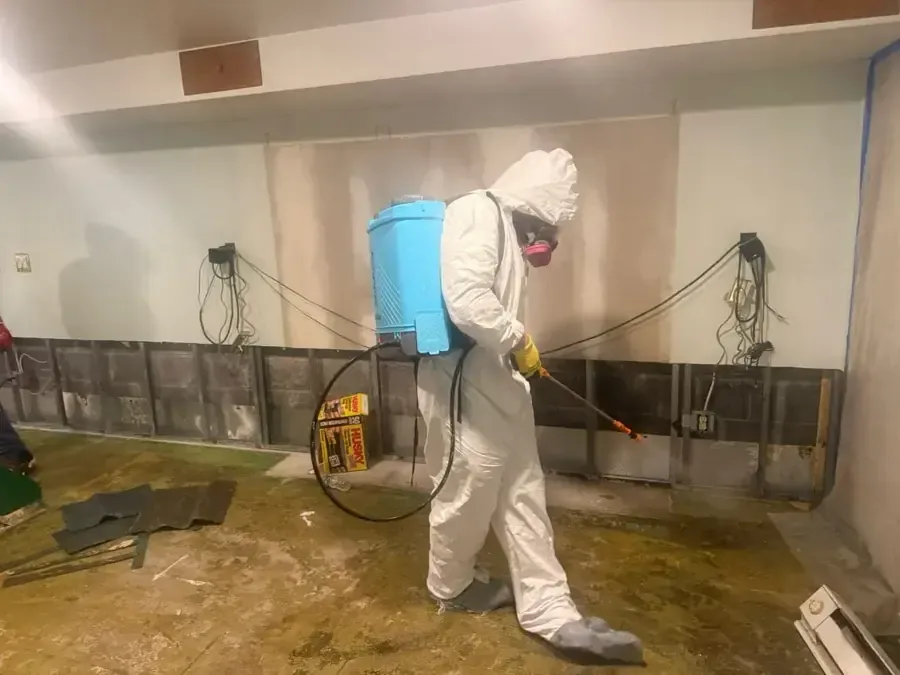 Sewage & Septic Backup CleanupSewage backups are contained, removed and sanitized with porous materials taken out.How it gets handled
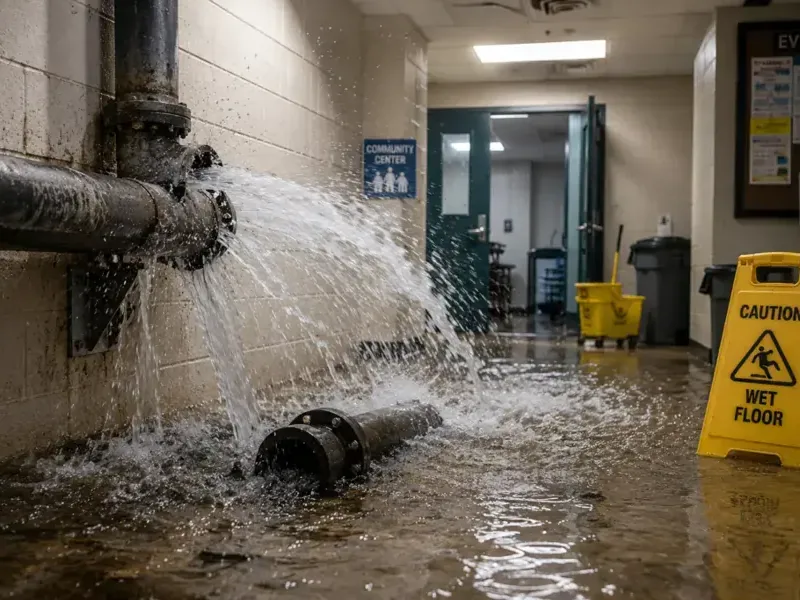 Commercial Water DamageStorefronts, suites and small warehouses are dried in phases around business hours.How it gets handled
Not sure which service fits?
Describe what happened and the restoration team will match the damage to the right drying or cleanup work for your situation.
Talk through the damageA typical dry out, day by day
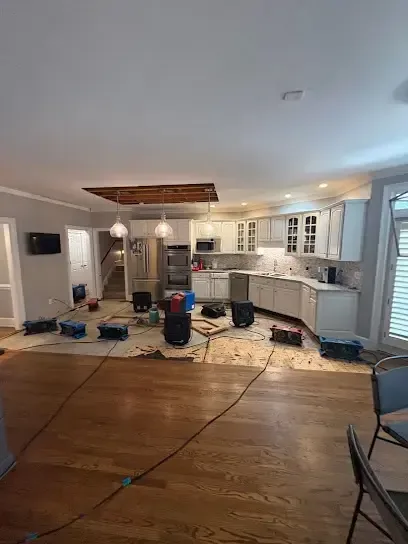
Drying runs on readings, not guesswork: the team measures wet materials, sets equipment to match, and checks progress until every reading lands at the dry standard.
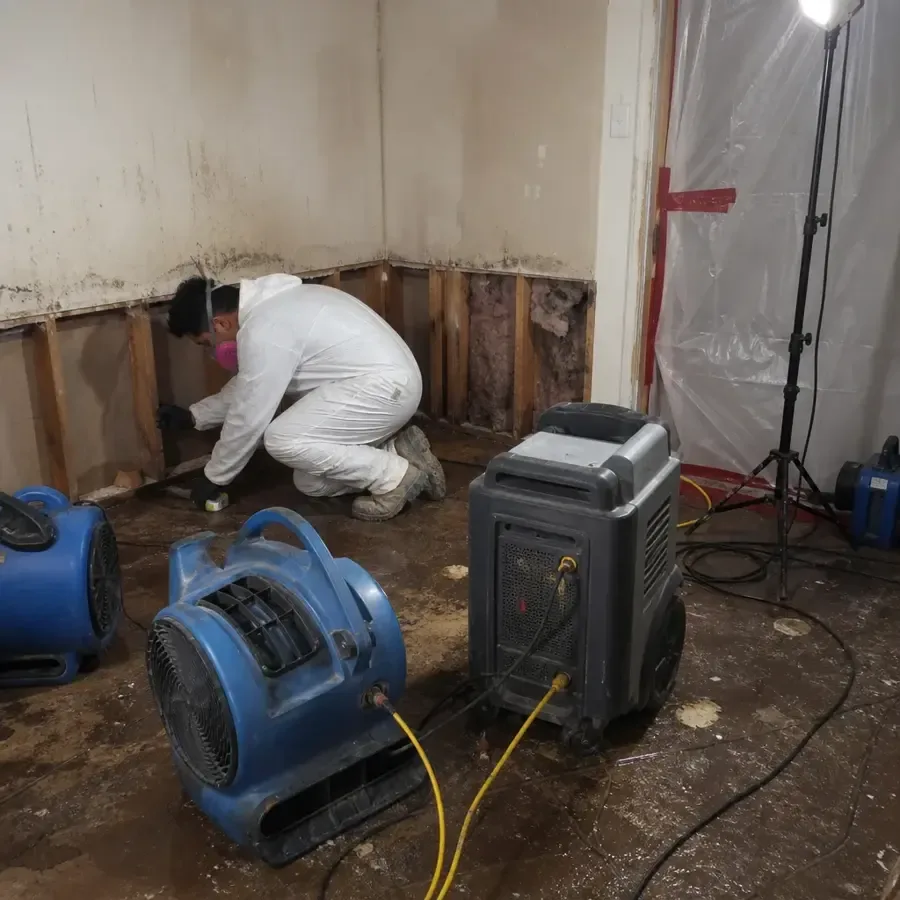
- Moisture mapped on day one
- Air movers aimed at wet zones
- Dehumidifiers sized to the space
- Readings logged until dry
- First visit
Trace the moisture
The response team scans floors and walls with a moisture meter and a thermal camera, then marks how far water traveled past the visible stain.
- First visit
Set the equipment
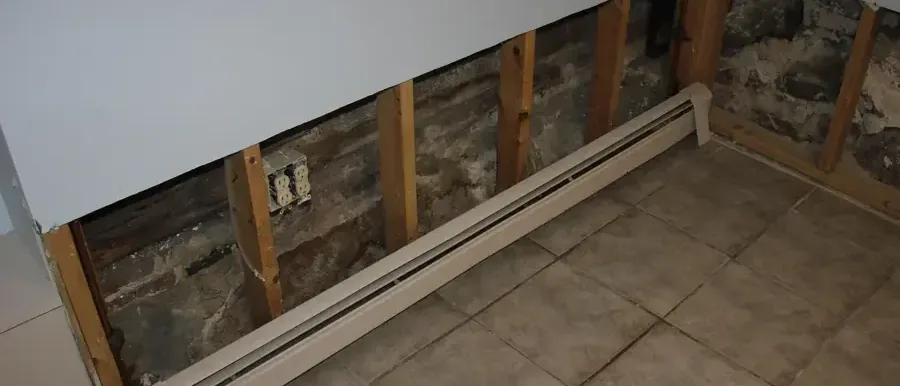
Extraction comes first, then air movers and dehumidifiers go in, sized to the wet area, with wet drywall or pad removed where it cannot dry in place.
- Middle days
Read and adjust
Each day the crew rereads moisture in the same spots, moves equipment toward damp areas and logs the numbers for the file.
- Last day
Confirm it is dry
When readings match the dry standard for the materials, the equipment comes out and the final numbers go into a record the insurer can read.
A typical residential dry out takes three to five days, while hardwood, plaster and concrete can need longer to reach the goal.
See what drying involvesAll water damage categories covered in Dacula, GA
The IICRC sorts water by contamination, and the category decides what gets cleaned, what gets removed and how much protective gear the crew wears.
Category 1, clean water
Water from a failed supply pipe or a tank is clean at first, and flooring can often be saved if drying starts soon.
Category 2, gray water
Washer and dishwasher discharge or a toilet overflow with no solids carries contaminants, so carpet pad usually goes and hard surfaces get cleaned and treated.
Category 3, black water
Sewage backups and river or runoff flooding are grossly contaminated, so porous materials come out and the space is cleaned and treated.
Sewage backup cleanup detailsDrying equipment and cleanup at work

What does water damage restoration cost in Dacula, GA?
In Dacula, small early jobs usually run $1,200 to $3,500, several wet rooms run $3,500 to $8,000, and whole floor or Category 3 jobs run $8,000 to $20,000+, depending on how long the water sat.
One room, caught early
$1,200 to $3,500- Truck mount water extraction
- Wet pad pulled and hauled
- Air movers and a dehumidifier
Several rooms or a ceiling
$3,500 to $8,000- Baseboards off, wall cavities dried
- Carpet and pad removed
- Daily readings and drying logs
Whole floor or Category 3
$8,000 to $20,000+- Sealed work zone and HEPA air
- Porous materials removed
- Extended drying and monitoring
The water damage cost calculator turns rooms affected, water type and flooring into a rough estimate for your loss.
One call reaches Dacula water damage pros, 24/7
The restoration team serves Dacula and the wider 30019 ZIP, including Hamilton Mill, across the east side of Gwinnett County, and handles emergencies day or night for homes, storefronts and small commercial spaces.
ZIP 30019Downtown and parks
Neighborhoods
Corridors
Water risks that show up around town
The 2020 Census counted 6,882 residents and 2,125 households in town, and the median home was built in 1998, so local water damage mostly involves modern drywall and flooring rather than very old materials.
Heavy rain events
Hurricane Helene's rain on September 27, 2024 swelled creeks and flooded roads across Gwinnett County, and in September 2009 parts of Gwinnett and other counties took more than ten inches of rain in 24 hours.
Wet weather sewer strain
Gwinnett County Department of Water Resources runs the county stormwater system apart from the sewer, and stormwater that seeps into the sewer, called inflow and infiltration, cuts pipe capacity in wet weather.
Newer communities
Brooks Station, Auburn Glen and Alcovy Meadows are newer communities, and a washer or dishwasher leak in attached homes can soak other floors and rooms below.
Hard freezes
A north Georgia ice storm in late January 2026 left about 4,200 Gwinnett customers without power on January 25, and extreme cold followed, the kind of stretch that splits exposed pipes.
Sewer responsibility
The owner maintains the private sewer lateral from the house to the right of way, and a required backwater valve is the homeowner's to maintain, so those details matter after a sewage backup.
Dacula water damage questions
What should I do first when water is coming in?
Stop the source at a shutoff if you can reach one, cut power to the wet area only when it is safe, take photos and call the restoration team. Moving fast keeps water out of walls.
How soon does drying have to start?
Wet drywall and framing can start growing mold after 24 to 48 hours, so extraction and drying equipment should be working well before that point. Early starts also save more flooring, and structural drying covers the equipment.
Does sewage change how the job is done?
Yes. Sewage and floodwater are Category 3, so the crew seals off the area, wears protective gear, removes porous materials such as carpet and drywall, and treats what remains with antimicrobial cleaner, as laid out under sewage backup cleanup.
Who fixes the plumbing and who handles the water?
The homeowner is responsible for plumbing inside the house, so a plumber repairs the failed pipe or fitting while the restoration team extracts and dries. Gwinnett Water Resources says most tap water problems start in home plumbing.
What happens if a sewer backup reaches the house?
The owner maintains the private sewer lateral to the right of way. When the lowest fixture sits below the next upstream manhole, Georgia code calls for a backwater valve the owner maintains, and without a required valve Gwinnett County is not responsible for a main backup.
Can wet hardwood or carpet be saved?
Often, when drying begins early. Hardwood can sometimes be dried in place with mats and controlled airflow, while pad and carpet soaked by gray or black water is usually removed and replaced.
How do creeks and heavy rain change the work?
Flooding from heavy rain, as across Gwinnett County during Hurricane Helene in September 2024, carries mud and runoff, so it is treated as Category 3 and the crew removes silt and soaked porous materials before drying.
Do storefronts and strip centers get the same work?
Yes. Commercial crews dry in phases around business hours, protect inventory and keep logs for the carrier. Retail along Harbins Road and Winder Highway often means shared walls and neighboring suites, so containment matters.
What if the leak is inside a wall or under a floor?
The team reads walls, ceilings and flooring with moisture meters and a thermal camera, then opens only what the readings show is wet. A plumber locates and repairs the leak before drying begins.
What does a cost estimate depend on?
Square footage of wet materials, how long water sat, the water category and the flooring all move the price, and the cost calculator turns those inputs into a rough range before a visit.
Water in the walls keeps spreading until the drying team stops it
Call the restoration team, describe what you see, and the crew will plan extraction and drying for your home or business, with readings logged for the claim.