Sewage & Septic Backup Cleanup in Winder, GA
Sewage backup is Category 3 the moment it happens. The response team contains the area, removes the porous materials it touched, applies an EPA-registered antimicrobial and dries the structure.
(888) 532-4616Sewage in the house? Call now- Category 3 from the start
- PPE and containment
- HEPA air scrubbing
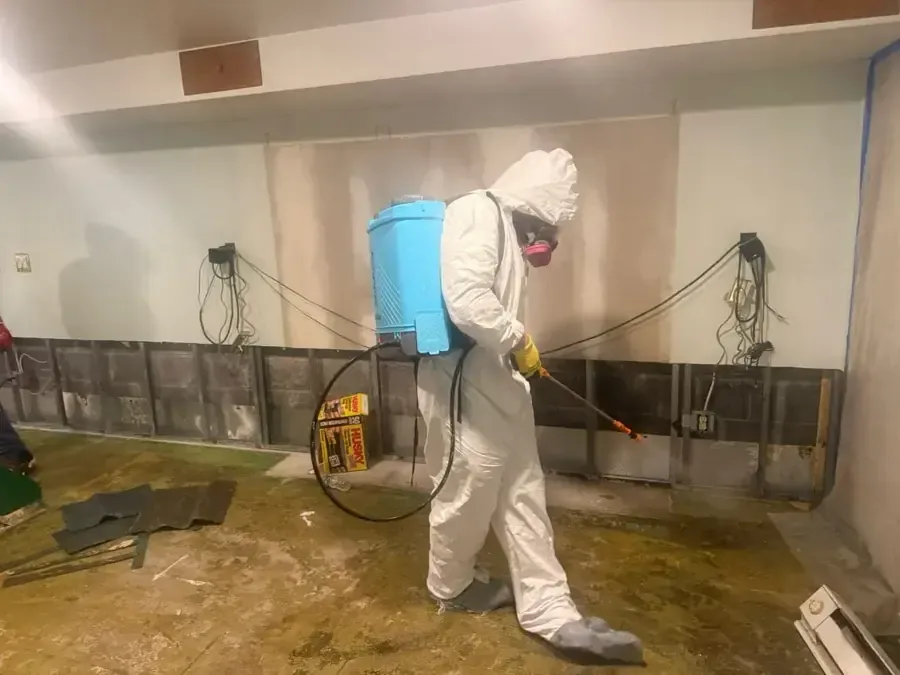
First steps for sewage backup cleanup
- 1Stop using water. No flushing, laundry, dishwashing or showers until the cause is cleared.
- 2Keep everyone out. Children, pets and anyone with a weak immune system stay away from the area.
- 3Leave the HVAC off. If ducts run through the affected area, the system can spread contamination.
- 4Call a plumber or septic service. They clear the blockage or pump the tank, and the restoration team cleans up.
How sewage backup cleanup gets handled here
Two dry-outs can look the same on the first afternoon. The readings, the order of the work and the paper trail are what set a complete one apart.
Rapid local response
Dispatch runs 24/7, because sewage spreads contamination every hour it sits.
Category 3 protocol
Porous materials touched by sewage come out, and surfaces get an EPA-registered antimicrobial at its full dwell time.
Claim-ready documentation
Photos, the cause from the plumber or septic service and an itemized scope go into the file.
Sewer and septic know-how
Homes inside the city often tie into municipal sewer, while many homes farther out rely on septic tanks and drain fields.
What does sewage backup cleanup cost in Winder, GA?
Sewage backup cleanup typically runs $2,500 to $10,000, not counting the plumbing or septic work, depending on how far the sewage spread and how much porous material has to come out.
Four things move the number: the water category, how many square feet got wet, the material class and how soon drying began. The water damage cost calculator gives a planning range, and the firm figure comes after the walkthrough.
Small backup, hard floor
$2,500 to $4,500- Containment and PPE
- Removal and cleaning
- Antimicrobial treatment
Carpeted rooms or a crawl space
$4,500 to $10,000- Carpet, pad and drywall out
- HEPA air scrubbing
- Drying and readings
Large or repeat backup
$10,000 to $20,000+- Several rooms affected
- Framing cleaned and treated
- Extended drying
From first reading to dry: sewage backup cleanup
- 1
Contain
The response team sets up containment and puts on protective gear before cleanup starts.
- 2
Remove
Sewage gets extracted, and porous materials it touched are cut out and bagged.
- 3
Disinfect
Hard surfaces and framing are cleaned and treated with an EPA-registered antimicrobial at its dwell time.
- 4
Dry and clear
Air movers, dehumidifiers and HEPA air scrubbers run until the area reads dry.
Homes inside Winder city limits often connect to the municipal sewer, and many homes farther out in Barrow County use septic systems. Either way, a backup comes up at the lowest opening in the house: a first-floor toilet, a shower drain or a cleanout in the crawl space. Sewage is Category 3 water from the first minute, and the cleanup follows a stricter protocol than any clean-water loss.
What causes sewage and septic backups
- A septic tank that is full or overdue for pumping
- A drain field saturated after long, heavy rains
- Tree roots in an older clay or cast iron sewer pipe
- Grease and flushed wipes building up in the drain
- A blockage in the city main that backs up into the house
How sewage cleanup is done
The response team contains the area, wears respirators, gloves and suits, and extracts the sewage. Porous materials it touched, like carpet, pad, drywall and insulation, are cut out and bagged. Hard surfaces and framing get cleaned and treated with an EPA-registered antimicrobial at its full dwell time, HEPA air scrubbers clean the air, and then the structure is dried. Clean-water losses follow water extraction instead.
Sewage on the floor? Get it contained and cleaned up safely.
Call (888) 532-4616 about sewage backup cleanupSeptic service and the claim
A plumber or septic service clears the cause, and the restoration team cleans up the damage. Sewer and septic backups are often covered only with a water backup endorsement, so check with your own insurer. The EPA septic systems page explains septic care, and OSHA covers hazards in flood and sewage cleanup.
Covering Winder, GA 30680 and Barrow County
The restoration team covers all of ZIP 30680, from the older streets around the courthouse downtown to the Fort Yargo side and the GA 316 corridor, with Statham, Bethlehem, Auburn and Braselton close by.
View the full service areaSewage and Septic Backup Cleanup: what homeowners ask
Can I clean up a small sewage backup myself?
Even a small backup is Category 3. Porous materials it touched need to come out and surfaces need disinfection, with protective gear and containment, so professional cleanup is the safer choice.
How often should a septic tank be pumped?
The EPA suggests having a household septic system inspected at least every three years and the tank pumped every three to five years, depending on use.
Is it safe to stay in the house during sewage cleanup?
Stay out of the contained area. If the backup reached living areas or the HVAC, it can make sense to stay elsewhere until cleanup and drying are done.
Does homeowners insurance cover sewage backups?
Often only with a water backup endorsement. Coverage depends on your policy, so check with your own insurer before work starts if you can.
What gets thrown away after a sewage backup?
Carpet, pad, upholstered items, mattresses, drywall and insulation the sewage touched. Hard items like tile, metal and some wood furniture can often be cleaned and disinfected.
How long does sewage cleanup take?
Removal and disinfection usually take one to two days, with drying running three to five days after that.
Sewage backup in the house? Get it cleaned up safely.
Category 3 water spreads contamination while it sits. The restoration crew dispatches around the clock.