Water Damage Restoration Auburn, GA
24/7 water damage restoration in Auburn, GA. The extraction crew pulls standing water out fast, the drying team brings framing and floors to the IICRC S500 goal, and every reading goes into your claim file.
(888) 532-4616Water spreading? Reach 24/7 dispatch now- Dispatch around the clock
- S500 drying standard
- Truck-mounted water removal
- Moisture logged daily

Local water trouble to watch
- Heavy rain on red clay pooling against foundations
- Pipe bursts during long freezes like January 2026
- Leaks traveling through shared townhome walls
Steps to take while water is still spreading
- 1
Find the main shutoff and close it. Most homes have one where the supply pipe enters, and the meter box near the street has a valve as well.
- 2
Switch off the breakers that feed any wet room, and keep clear of puddles near outlets, extension cords and appliances.
- 3
If water is coming from the air handler, turn the thermostat to off so the system stops producing condensate.
- 4
Lift rugs, cushions, papers and electronics off the floor, and set furniture legs on foil squares or wood blocks.
- 5
Record every wet room on video before cleanup starts, since the claim file is built from what you capture first.
Wet drywall, pad and subfloor keep pulling in water for hours after a leak stops, and mold can start within 24 to 48 hours, so early extraction keeps the damage smaller.
Call and slow the spreadWater Damage Restoration Services in Auburn, GA
Each job begins with a moisture map and finishes with dry readings, whether the water dripped from a ceiling, crept under a slab floor or backed up from a drain.
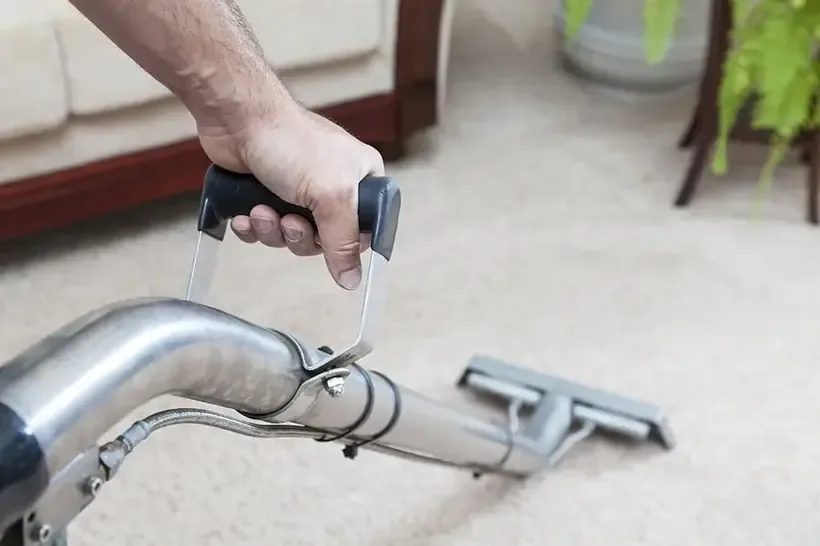 Water Extraction & RemovalTruck-mounted units pull standing water out of carpet, plank and tile before it soaks deeper.How it gets handled
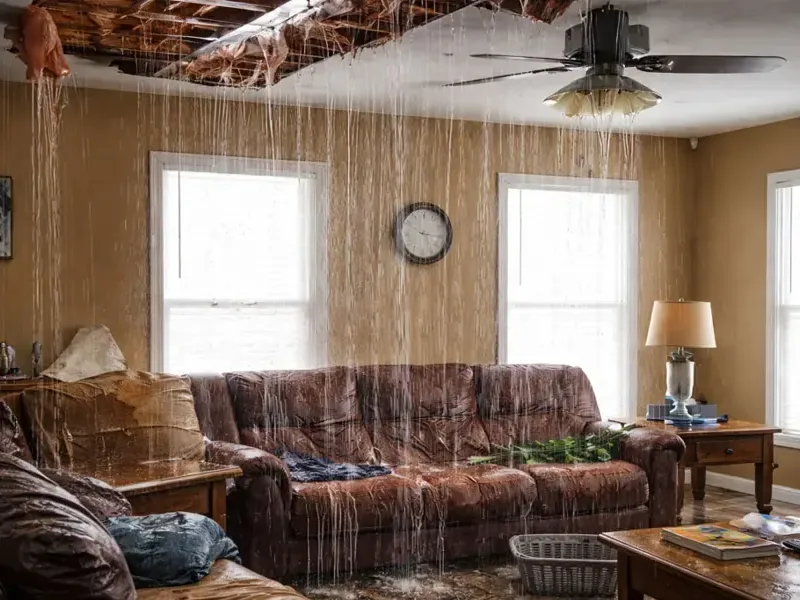 Burst Pipe CleanupWater from split pipes and failed fittings removed, with wall cavities opened and dried.How it gets handled
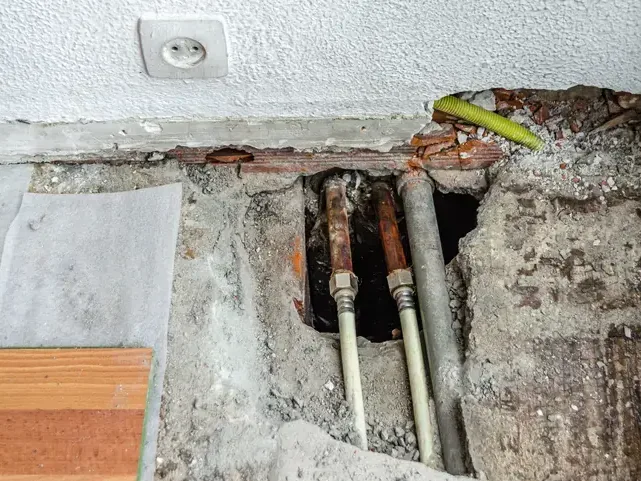 Slab Leak Water DamageLeaks under concrete floors traced by a plumber, then wet flooring lifted and the slab dried.How it gets handled
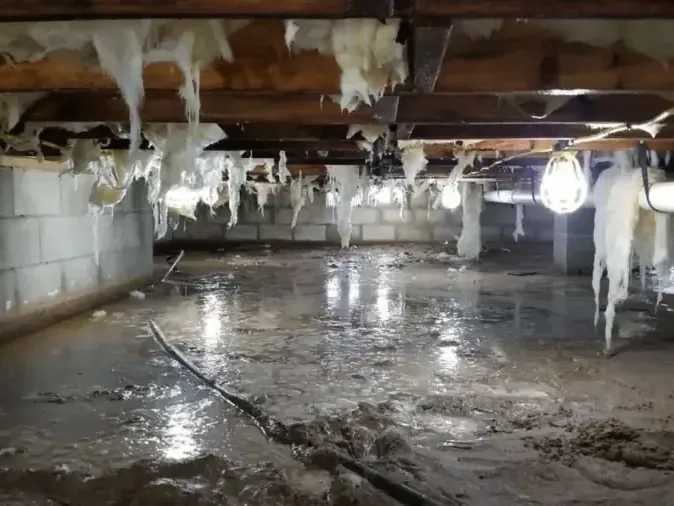 Crawl Space Water DamageStanding water and damp insulation under the house cleared, then joists and subfloor dried.How it gets handled
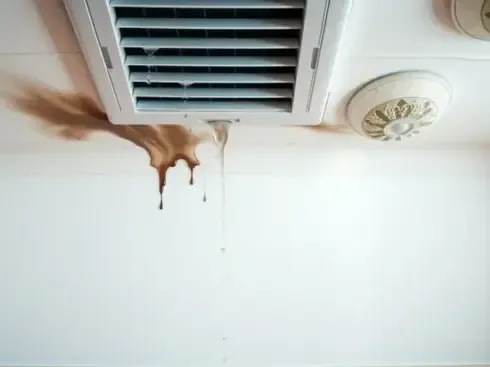 AC & Air Handler LeaksOverflowing condensate pans and clogged AC drains dried out of ceilings and attic insulation.How it gets handled
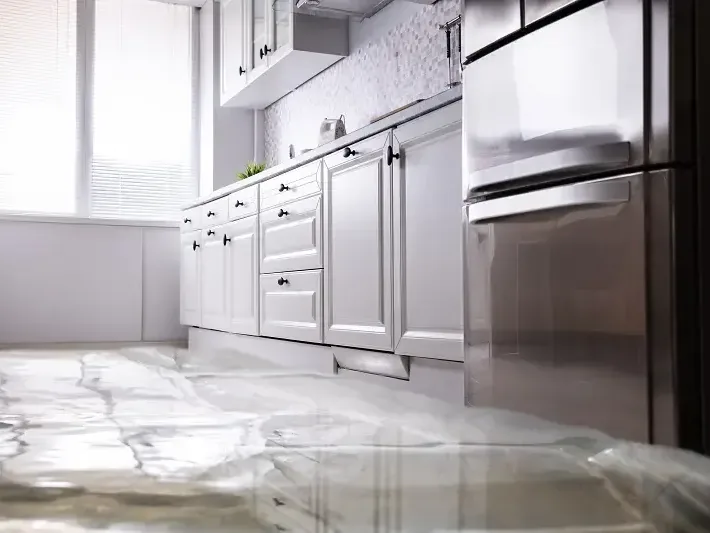 Appliance Leak CleanupLeaks from washers, dishwashers and refrigerator tubes dried out from under cabinets and floors.How it gets handled
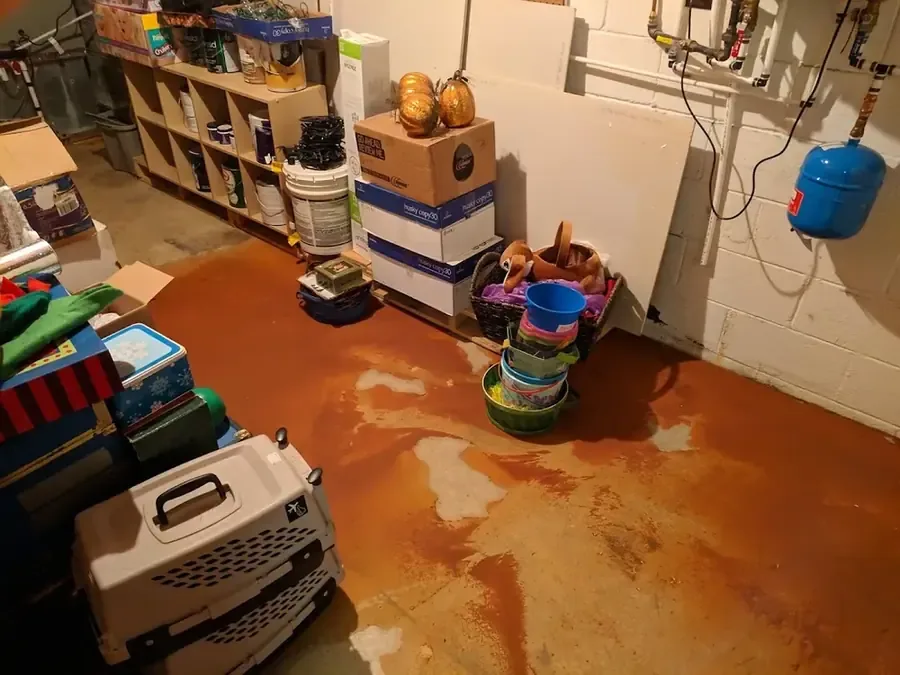 Water Heater Leak CleanupFailed tanks and relief valves cleaned up before the water spreads to nearby rooms.How it gets handled
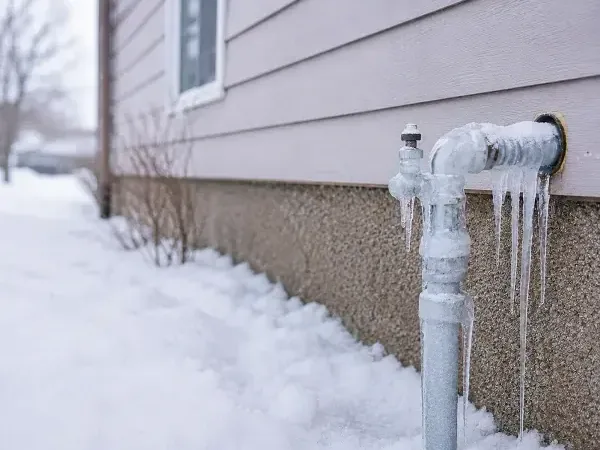 Frozen Pipe CleanupPipes that split in long freezes, with walls and ceilings dried after the thaw.How it gets handled
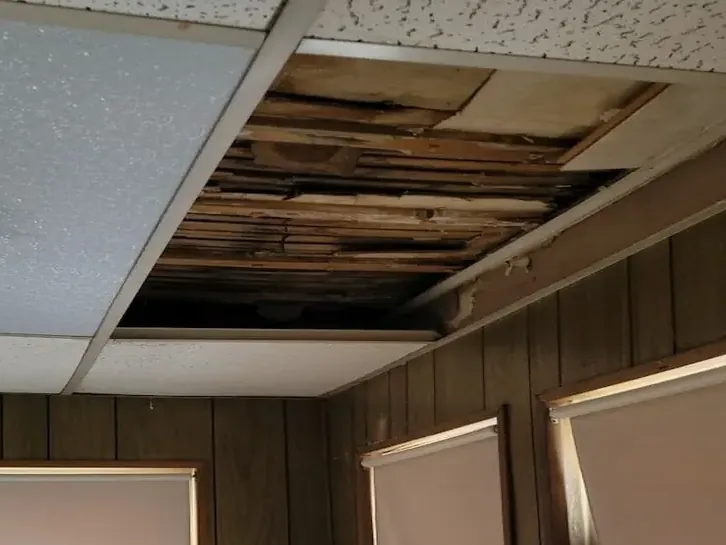 Roof Leak Water DamageRain through damaged shingles and flashing, dried from the attic decking to the ceiling.How it gets handled
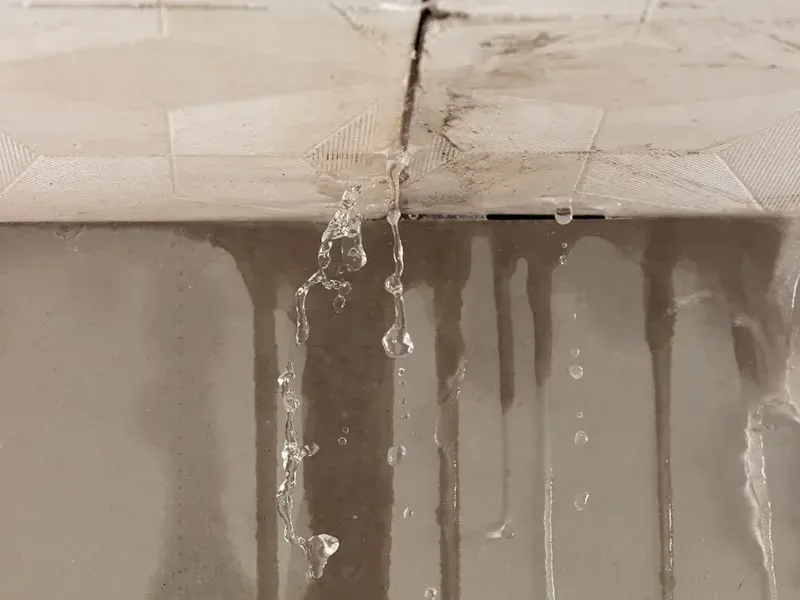 Ceiling Leak Water DamageLeaks from upstairs baths and pipes opened up, dried between floors and checked near fixtures.How it gets handled
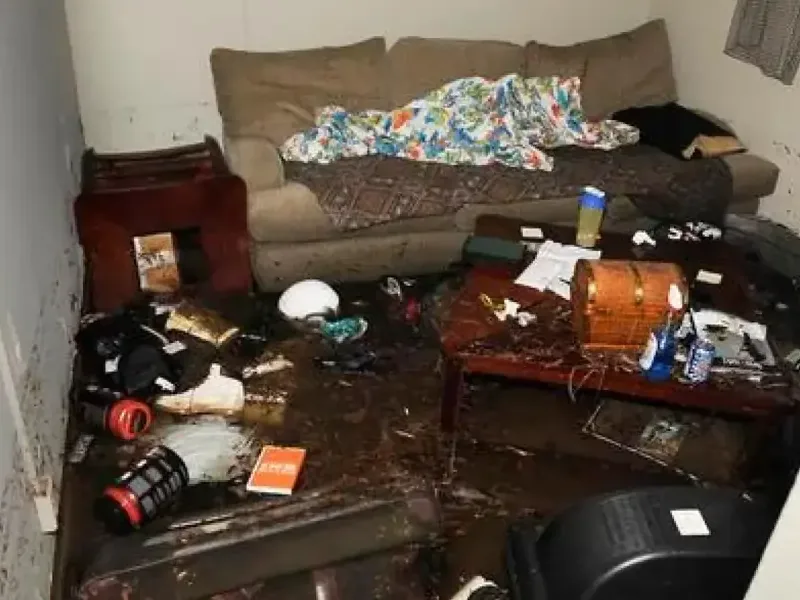 Storm & Flash Flood CleanupRunoff and flash floodwater handled as Category 3: removed, cleaned, treated and dried.How it gets handled
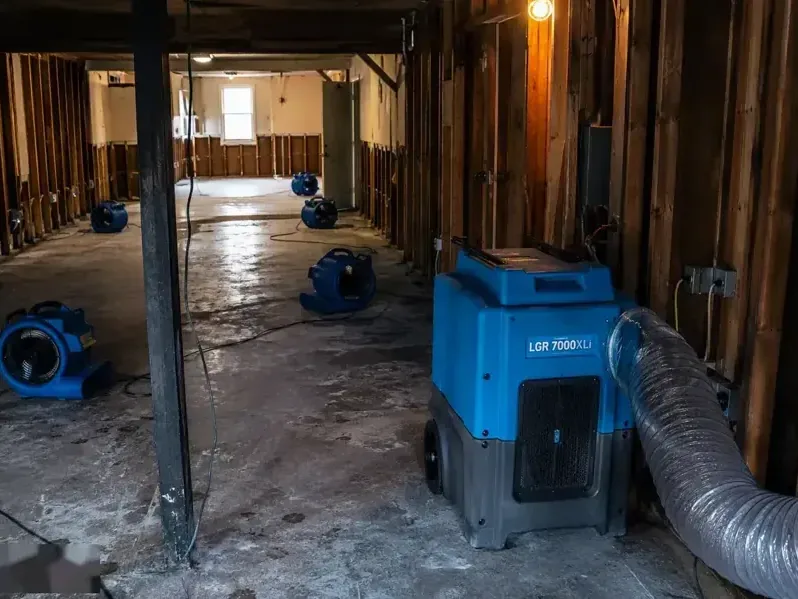 Structural Drying & DehumidificationFraming, subfloor and hardwood brought to the S500 dry goal with daily readings.How it gets handled
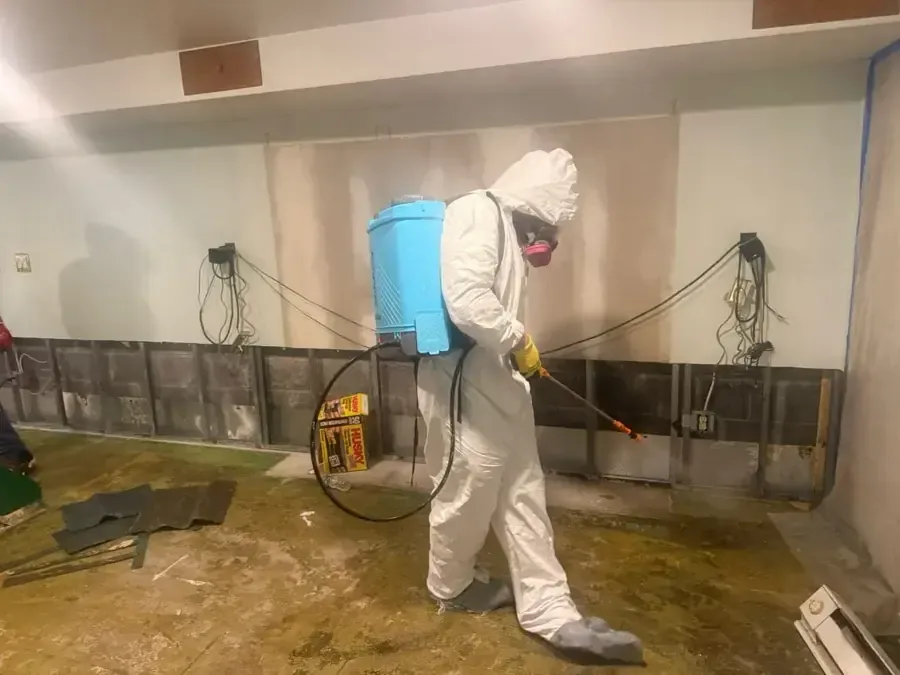 Sewage & Septic Backup CleanupSewer and septic backups contained, removed and disinfected as Category 3 water.How it gets handled
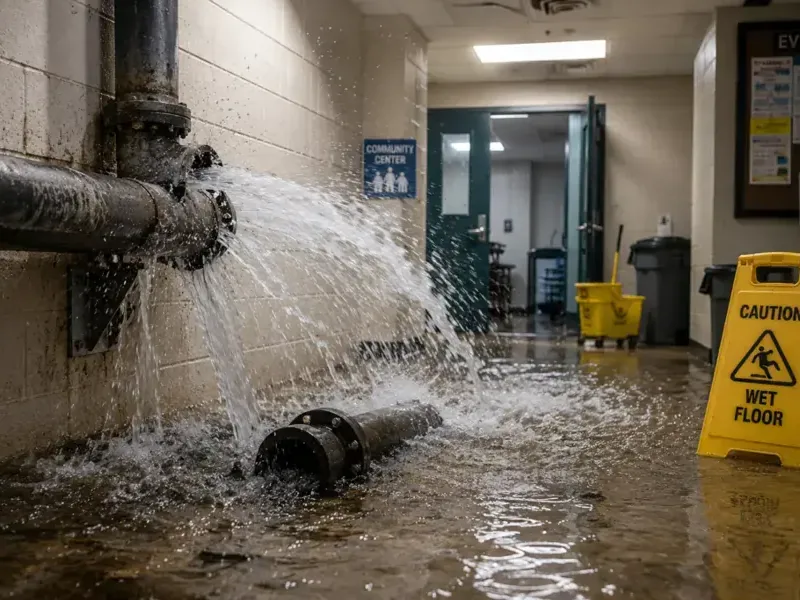 Commercial Water DamageStorefronts, warehouses and offices dried on a schedule that works around business hours.How it gets handled
Unsure which service you need?
Tell dispatch what you see and where the water sits. The walkthrough tech pins down the source and category once on site.
Explain what happenedHow the IICRC S500 standard shapes the dry-out
The IICRC S500 standard calls for drying the structure itself, not just the surfaces, and it ends the job on measured readings rather than a set number of days.
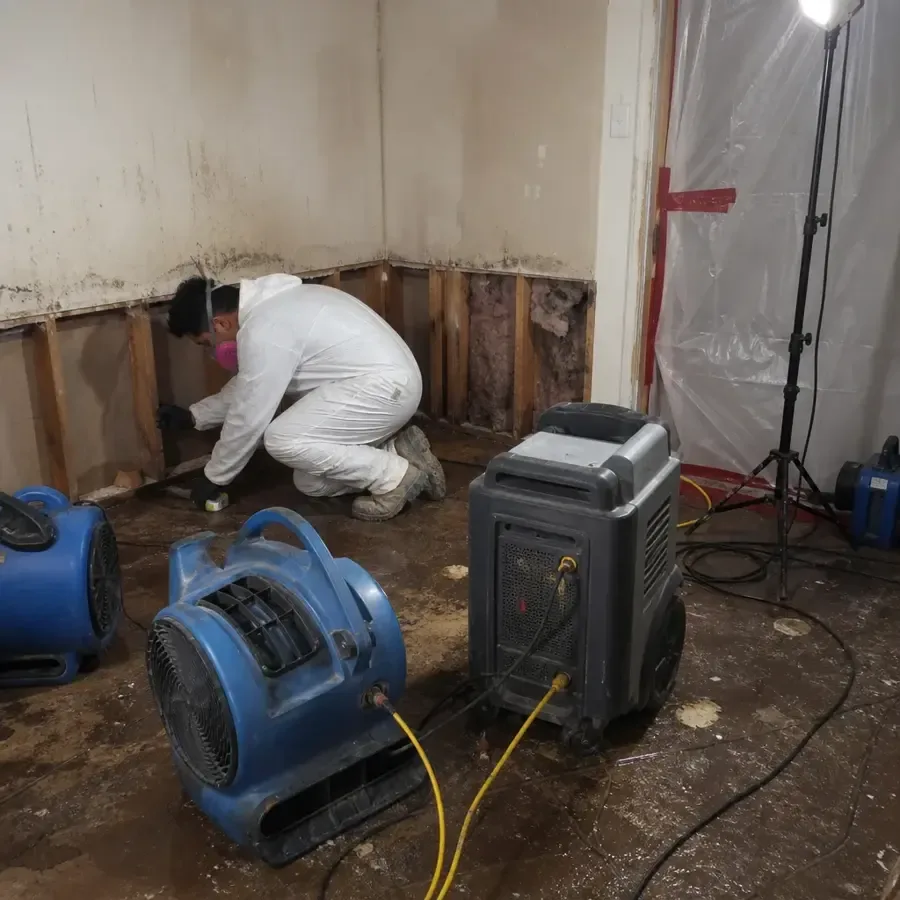
- Structure dried, not only surfaces
- Dehumidifiers sized room by room
- Thermal camera and moisture meters
- Done when readings match a dry reference
- First visit
Find the water
The tech who does the walkthrough traces wet drywall, flooring and framing with a thermal camera and pinless meters, and the extraction crew removes standing water with truck-mounted units.
- First visit
Plan the equipment
The drying team matches air movers and LGR dehumidifiers to how fast each room can give up water, and the water class decides the count.
- Middle days
Check and shift
Crews take readings every day, record the psychrometric numbers and reposition equipment as some materials dry faster than others.
- Last day
Confirm it is dry
Equipment leaves only after materials read within 2 to 4 points of a dry reference, and the final numbers join the claim file.
A small Class 1 loss usually dries in three to five days; hardwood, framing under the house and Category 3 water take longer.
Ask what your rooms will needAll water damage categories covered in Auburn, GA
The category of water decides the method: clean water often dries where it sits, while dirty water means removing anything porous it touched.
Category 1: clean water
Water from a broken supply pipe, a failed water heater or a leak under the slab. When extraction happens quickly, most materials can be dried in place.
Category 2: gray water
Discharge from a washer or dishwasher, a toilet overflow with no waste, or clean water left sitting for two days. Pad usually goes; most else is cleaned and dried.
Category 3: black water
Sewage, a septic backup or floodwater from outside. Anything porous it touched gets removed, and surfaces are treated with an EPA-registered antimicrobial.
Septic and sewer backup cleanupInside a water damage dry-out
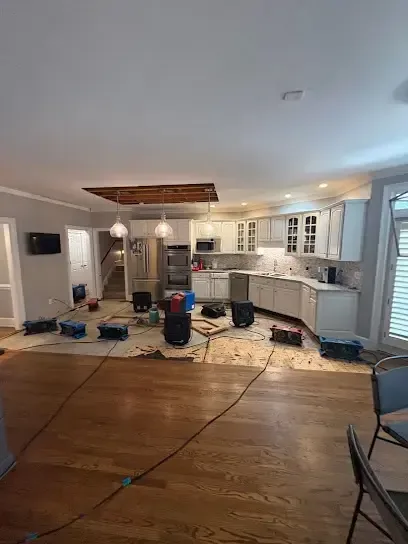
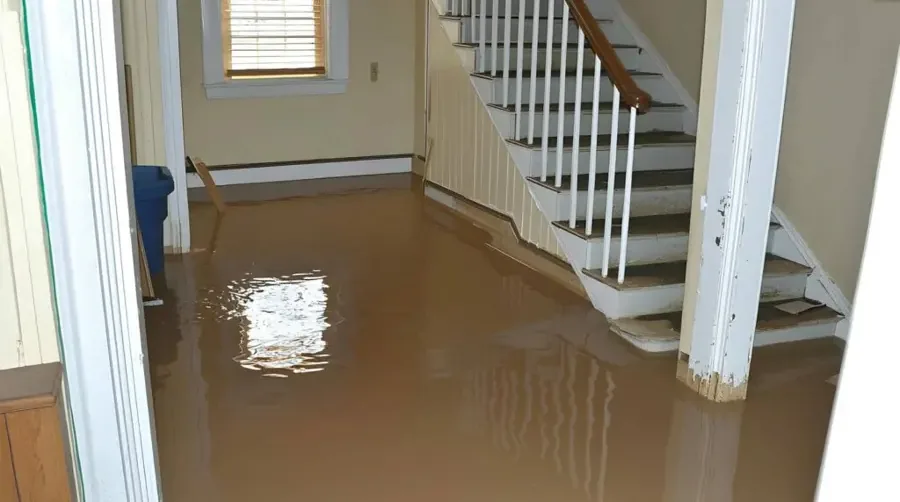
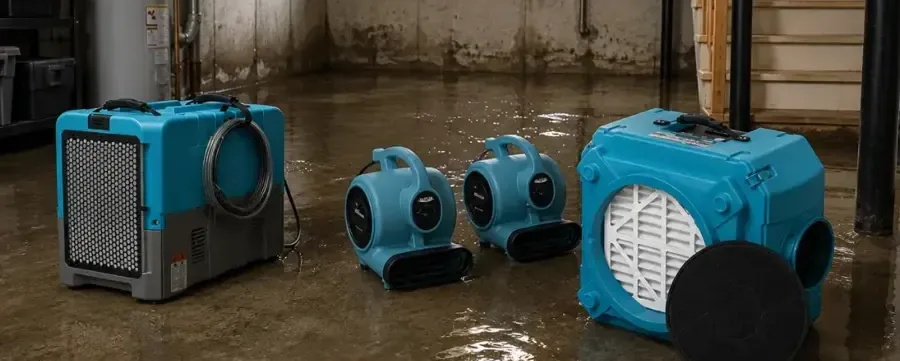
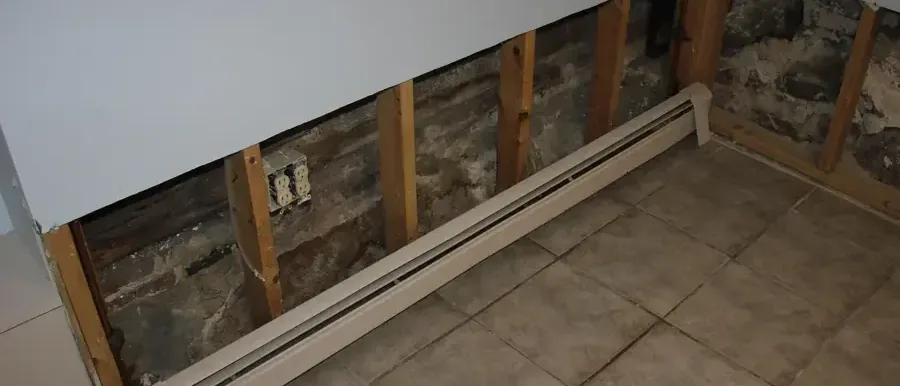

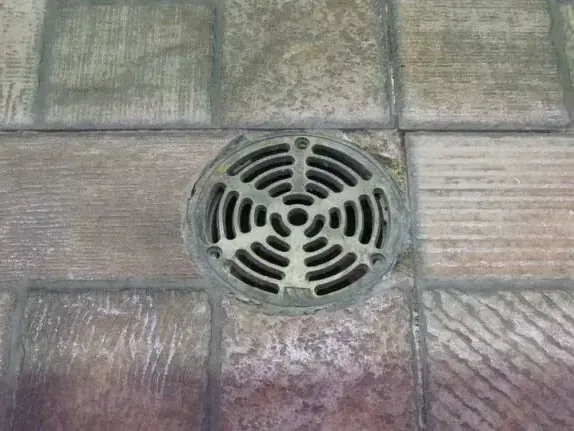
What does water damage restoration cost in Auburn, GA?
A typical water damage job here runs $1,200 to $8,000, and a whole-floor or Category 3 loss can top $20,000. What sets the figure is the water category, the wet square footage, the material class and how soon drying began.
One room, found early
$1,200 to $3,500- Water extracted, pad pulled
- Air movers plus a dehumidifier
- Readings for three or four days
Several rooms or under the house
$3,500 to $8,000- Lower walls flood-cut
- Subfloor or crawl space drying
- Psychrometric logs every day
Whole floor or Category 3 water
$8,000 to $20,000+- Containment with antimicrobial
- Porous materials taken out
- Longer drying plus a full claim file
The firm figure follows the walkthrough. For a rough planning range, use the water damage cost calculator.
One call reaches Auburn water damage pros, 24/7
The restoration team covers all of ZIP 30011, from the downtown storefronts and the historic district to the Town Center, Harmony and Trinity Station, plus the homes and businesses along Atlanta Highway and Mount Moriah Road.
ZIP 30011Around downtown
Neighborhoods and corridors
Water damage in Auburn, GA: the local risk profile
The Seaboard Railroad platted Auburn in 1891, and the city incorporated in 1892. The median home here dates to 1990, about a third were built from 1980 to 1989 and another third from 1990 to 1999.
Red clay that sheds rain.
The bricks of the old T. C. Flanigan store downtown were made from local red clay. That same soil takes in rain slowly, so heavy storms leave water pooled against foundations and in low spots.
The Apalachee River and creeks.
The Apalachee River runs south of town at the Gwinnett and Barrow county boundary, with James Shackelford Park and homes along its banks, and a 2024 city planning packet describes a wooded site sloping toward a creek with floodplain.
Townhomes with shared walls.
Harmony, Trinity Station and other townhome communities add upper floors and shared walls, where one failed supply hose or drain can send water into the unit next door.
Long freezes.
During the January 2026 winter storm, Georgia declared a state of emergency for all counties, and the state emergency agency warned of a higher risk of pipe bursts in the extended freeze.
Sewer downtown, septic beyond.
The 2023 comprehensive plan places public sewer in the downtown area, and the city stormwater page covers septic system care, so a backup is handled differently depending on which system the home uses.
Water damage questions from Auburn homeowners
How soon can a crew get to a water leak?
Dispatch runs 24/7, so an active leak is treated as urgent at any hour. Arrival time depends on where crews are already working, so close the main valve and work through the first steps while you wait.
Is my home on sewer or septic, and does it matter for a backup?
The 2023 comprehensive plan places public sewer in the downtown area, and newer subdivisions such as Trinity Station have it too, while other homes use septic. A backup is Category 3 either way, but the cause and the fix differ, so sewage and septic backup cleanup starts by finding which system failed.
Will homeowners insurance pay for water damage?
A sudden, accidental leak, like a burst pipe or a failed water heater, is often covered once the deductible is met. Gradual leaks, seepage and flood usually are not, and flood needs separate coverage. Policies differ, so confirm the details with your own insurer.
Do townhome leaks reach the unit next door?
They often do. Water follows framing, floor systems and shared walls, so a leak in one townhome can show up in the neighbor's ceiling or wall. The tech who does the walkthrough maps both sides when owners allow it, and each owner's insurer handles its own unit.
How long does a wet room take to dry?
A contained Class 1 loss usually dries in three to five days with LGR dehumidifiers and air movers running nonstop. Hardwood, dense materials and Category 3 losses need longer. The drying-time estimator gives a rough figure for your rooms.
What does IICRC S500 mean for my dry-out?
IICRC S500 is the industry drying standard. It sets how wet materials get mapped, how water category and class are judged, how much equipment a room needs and when a material counts as dry: within 2 to 4 points of a dry reference.
What should I do before the restoration crew arrives?
Close the main valve, switch off breakers for wet rooms, move valuables off the floor and photograph everything. Leave soaked drywall and carpet in place, since the tech who does the walkthrough needs to measure it before anything is removed.
Do repairs after water damage need a permit?
The city requires building permits for new construction and most additions, alterations and renovations. When a building permit is pulled, any electrical, plumbing or HVAC work needs its own permit from the contractor doing that work, and a city-contracted third-party inspector handles inspections.
When does wet drywall need to be cut out?
Drywall soaked by clean water often dries in place when drying starts early. Drywall touched by sewage or floodwater, or drywall that has swelled, crumbled or stayed wet for days, gets cut out above the water mark.
How is the price of a water damage job set?
Four things drive it: the water category, the square footage that got wet, the material class and how quickly drying began. Most jobs are billed by itemized scope, the format insurers use. The water damage cost calculator gives a planning range.
Water inside the house? Pull it out before it settles in.
Standing water climbs drywall and soaks into trim and subfloor with every hour, and humid air slows drying. The restoration team dispatches around the clock.