Water Extraction in Auburn, GA
Water on the floor of an Auburn home keeps spreading into the pad, the baseboards and the wall bottoms. The extraction crew pulls it out with truck-mounted equipment, then sets the drying gear before the damage deepens.
(888) 532-4616Pull the water before it wicks- Truck-mounted extraction
- Pad and carpet lifted
- Readings after every pass
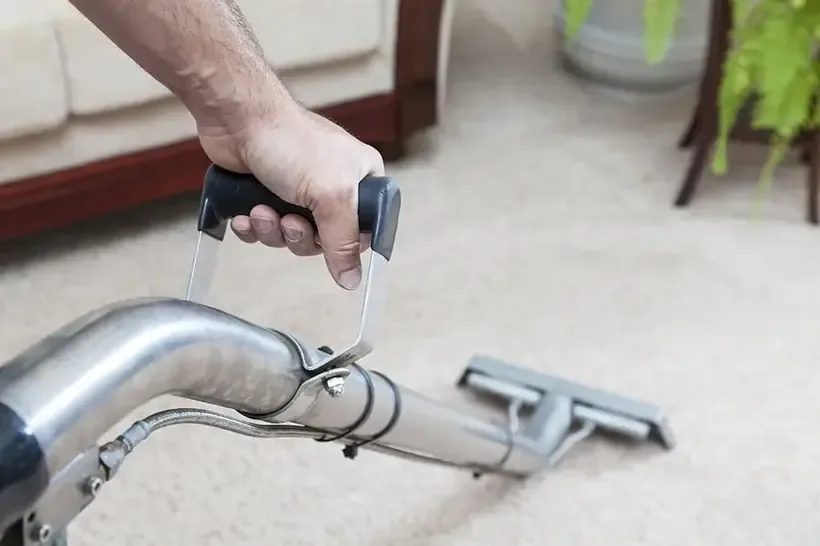
First steps for water extraction
- 1Stop the source. Shut off the supply or the appliance, switch off power to wet outlets, and lift small items and rugs off the damp floor.
- 2Pull the water. The extraction crew runs truck-mounted wands across the floor and lifts the pad when it is holding water.
- 3Map what is wet. A moisture meter and thermal camera trace the water into wall bottoms, cabinet bases and the subfloor.
- 4Set the dry-out. Air movers and a dehumidifier go in, with readings logged each visit until the floor and walls read dry.
How water extraction gets handled here
Two dry-outs can look the same on the first afternoon. The readings, the order of the work and the paper trail are what set a complete one apart.
Dispatch around the clock
The response team works nights, weekends and holidays, because water keeps spreading while a home waits for morning.
IICRC S500 drying standard
Extraction is the first half of the job. The drying team sets equipment by room size and wet material, then follows the S500 standard until readings reach the dry goal.
Claim-ready documentation
Photos, moisture logs and equipment records are kept for every visit, so an adjuster can see what was wet and what was done.
Mixed housing, mixed floors
About 80 percent of the housing here is detached single-family, with townhome communities and some mobile homes, so floors and wall builds change from street to street.
What does water extraction cost in Auburn, GA?
Most extraction jobs land at $1,200 to $3,500 when one room is caught early. Several rooms run $3,500 to $8,000, and a whole floor or Category 3 water reaches $8,000 to $20,000+.
Four things move the number: the water category, how many square feet got wet, the material class and how soon drying began. The water damage cost calculator gives a planning range, and the firm figure comes after the walkthrough.
One room, found fast
$1,200 to $3,500- Wand extraction of floors
- Wet pad lifted if needed
- Fans and a dehumidifier
Several rooms or crawl space
$3,500 to $8,000- Room by room removal
- Flood cuts where walls wicked
- Readings logged each visit
Whole floor or Category 3
$8,000 to $20,000+- Barrier up, antimicrobial on
- Soaked finishes taken out
- Longer drying, more checks
From first reading to dry: water extraction
- 1
Walk the damage
The tech who does the walkthrough checks every room for wet flooring, then marks where the water went.
- 2
Extract in passes
The crew works the floor in overlapping passes, then returns to spots where water keeps weeping out.
- 3
Dry and monitor
Equipment runs while readings are taken on each visit and the setup is adjusted to follow the moisture.
- 4
Close it out
Final readings are compared with a dry reference room before the equipment comes out.
In Auburn, water from a failed hose or a storm surge rarely stays where it lands. It runs under baseboards, soaks the pad and climbs the lower wall. The extraction crew removes the bulk water first, then hands the job to structural drying so nothing lingers inside the walls.
What an extraction visit removes
- Standing water on tile, vinyl and sealed hardwood
- Water held in carpet and the pad beneath it
- Puddles trapped under cabinets and appliances
- Damp insulation inside the lower wall cavity
- Muddy runoff that entered through a doorway
- Pooled water in a garage or utility room
Why the first day matters
Water that sits on carpet soaks into the pad quickly and wicks up the drywall by the next day. Once materials stay wet past the 24 to 48 hour mark, mold becomes a risk and the job grows. Truck-mounted units pull far more water than portable pumps, which is why they come first on soaked floors. Red clay runoff is its own problem, because the stain sets into carpet fibers if the mud is left to dry. A clean supply leak gives the crew more options than runoff that picked up soil.
Water standing in a room right now? Talk with a technician about extraction.
Talk to dispatch about water extraction: (888) 532-4616Extraction across Auburn housing
Townhome communities such as Trinity Station and Harmony have upper floors, so water from one level can drip through to the room below. Detached houses spread the same water across a wider footprint. Mobile homes, about 8.4 percent of local housing units, have thin floor assemblies that need a lighter touch and careful drying. The crew plans each job around what the floor is made of.
Covering Auburn, GA and the roads around it
The restoration team covers all of ZIP 30011, from the downtown storefronts and the historic district to the Town Center, Harmony and Trinity Station, plus the homes and businesses along Atlanta Highway and Mount Moriah Road.
View the full service areaWater Extraction and Removal: what homeowners ask
How soon should standing water be removed?
As soon as it is found. Water left on carpet and pad spreads into the walls overnight, and past 24 to 48 hours the mold risk climbs. Quick extraction also keeps more flooring salvageable.
Can soaked carpet be saved?
Often yes when the water is clean and the carpet is lifted and dried fast. The pad usually cannot be saved, since it holds water like a sponge and takes the longest to dry.
Does extraction include drying?
Extraction removes the bulk water. The drying team then handles what the wands cannot reach, using air movers and dehumidifiers. See how structural drying works for the second half.
What if the water came from outside?
Storm or runoff water is treated as contaminated, so porous materials are usually removed, not dried. The crew sets a barrier and treats the area after extraction.
Is a truck-mounted unit really necessary?
For large soaked areas, yes. A truck-mounted extractor has far more suction than a shop vacuum, so the floor ends up much drier before drying equipment starts.
Will insurance pay for water extraction?
Coverage depends on the cause and the policy. Sudden leaks and burst supply hoses are commonly covered, while slow seepage often is not. The cost calculator shows typical ranges.
Get the water out before the floor and walls soak it up
Describe what is wet and where, and the extraction crew will plan equipment before the first visit.