Water Damage Restoration Braselton, GA
Braselton sits across four counties and along Interstate 85, and mostly newer homes there still take on water from pipes, appliances, air conditioners and storms. The restoration team extracts, dries and documents each loss.
(888) 532-4616Tell the crew what got wet- Four-county service area
- S500 drying standard
- Truck-mounted water removal
- Moisture logged daily
What to watch for here
- Summer thunderstorms, some with hail and wind
- Winter cold snaps that can split exposed pipes
- Appliance and air conditioner leaks in newer homes
What to do once water shows up
- 1
Find the source and stop it if that is safe, whether that means the main shutoff, a supply valve under a sink or the air conditioner switch.
- 2
Turn off power to wet rooms at the breaker panel, and stay out of standing water around outlets or cords.
- 3
Photograph the damage, the source and any wet belongings before anything is moved or thrown out.
- 4
Lift small items, furniture legs and curtain hems off wet floors, and open interior doors for air movement.
- 5
Call a restoration crew before pulling up carpet or cutting walls, so the drying plan starts from real moisture readings.
Sewage, or water that has sat in a crawl space or soaked insulation, should be left for trained staff. Skip the shop vacuum and the fans until the team has checked what the water carried.
Report the leak to the crewWater Damage Restoration Services in Braselton, GA
Fourteen water and sewage services cover the losses that turn up in newer single-family houses, rented units and the commercial buildings along the Interstate 85 corridor.
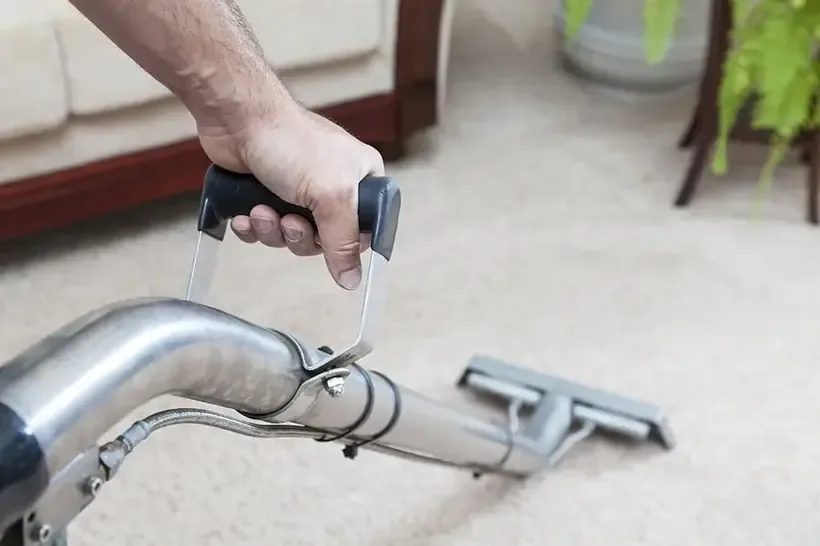 Water Extraction & RemovalTruck-mounted units pull standing water from carpet, pad and hard floors before it spreads.How it gets handled
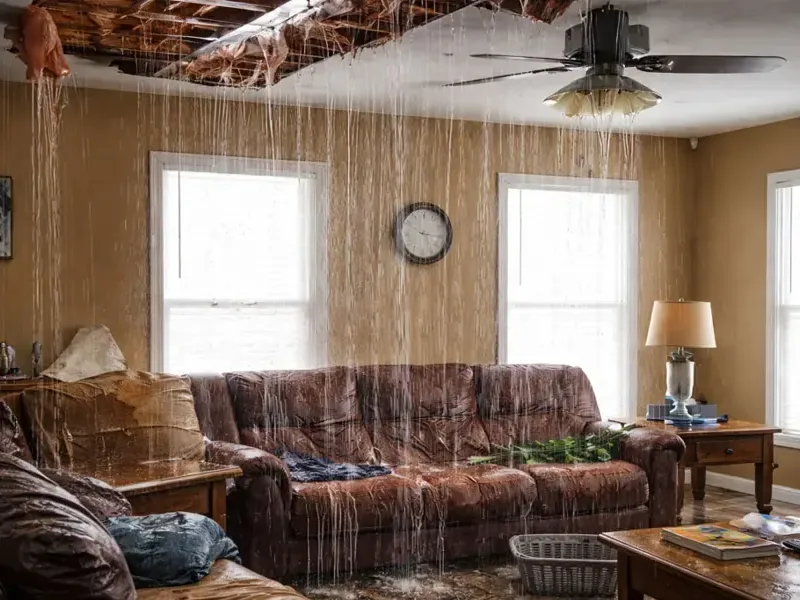 Burst Pipe CleanupWater from a split pipe gets stopped, drained and chased through wall cavities and ceilings.How it gets handled
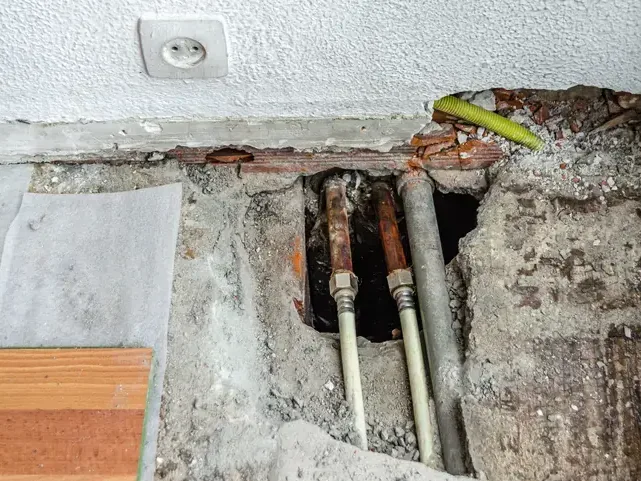 Slab Leak Water DamageWater from a slab leak is mapped through flooring and walls, then the concrete is dried.How it gets handled
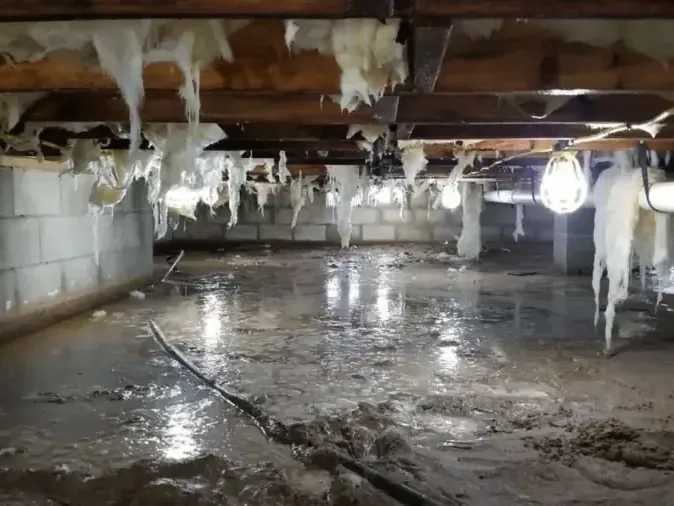 Crawl Space Water DamagePumping, wet insulation removal and framing readings for crawl spaces after runoff or a leak.How it gets handled
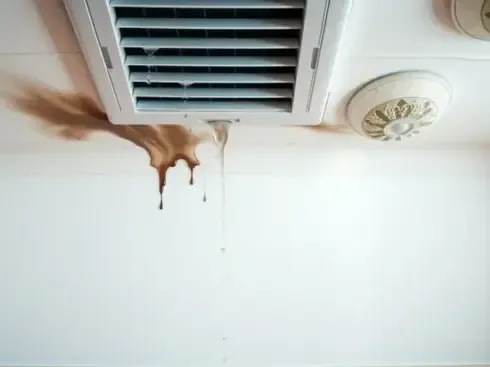 AC & Air Handler LeaksClogged condensate drains and overflowing air handler pans soak ceilings, closets and attic insulation.How it gets handled
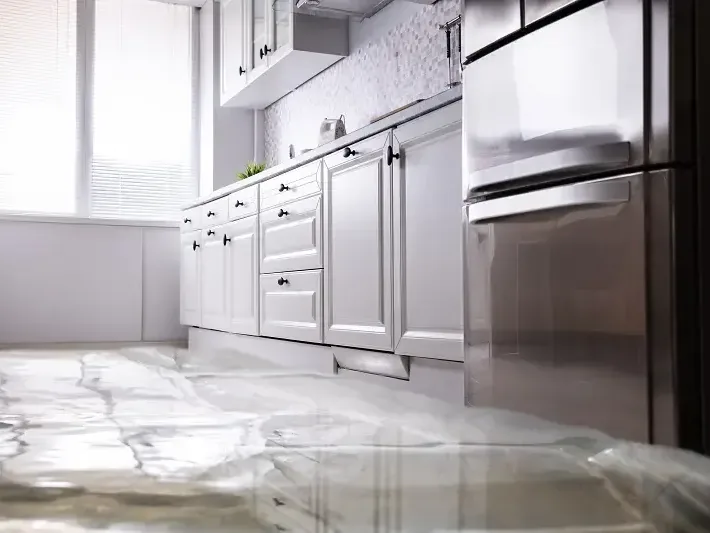 Appliance Leak CleanupDishwasher, washer, refrigerator and ice maker leaks are dried from the floor up.How it gets handled
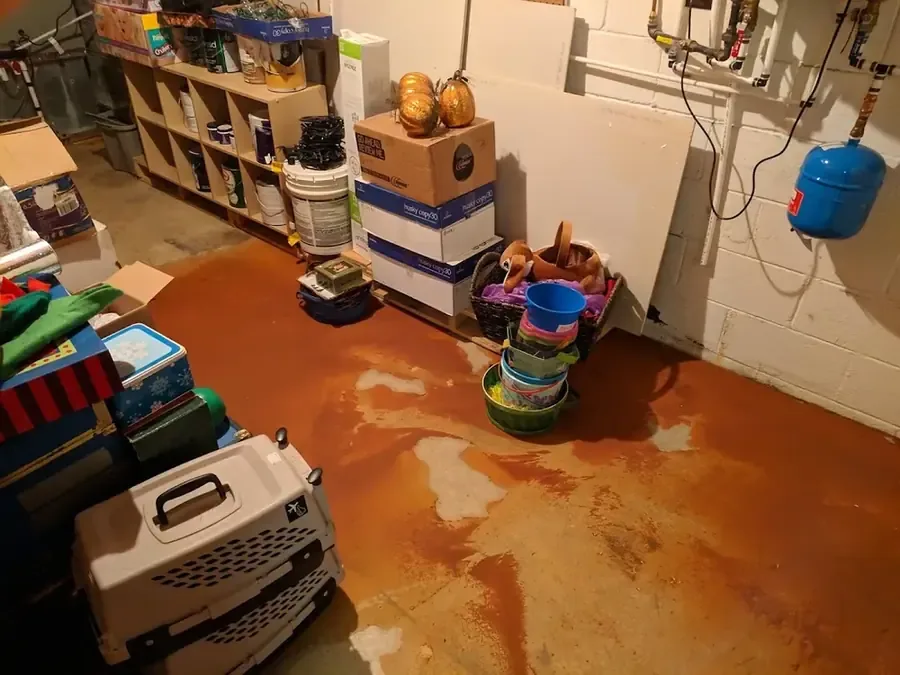 Water Heater Leak CleanupTank failures and loose fittings flood garages, closets and attics, then the wet layers get dried.How it gets handled
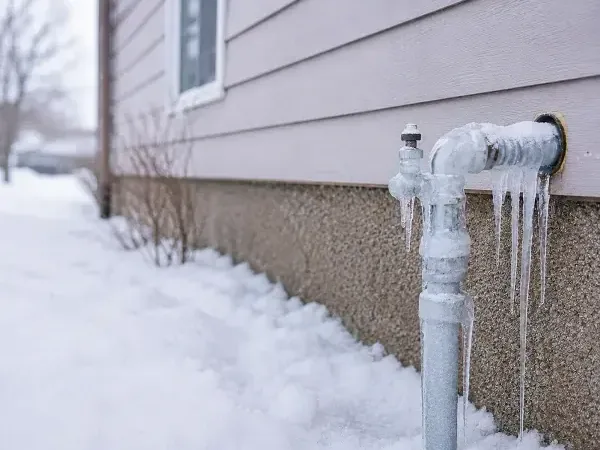 Frozen Pipe CleanupCold snaps split exposed pipes in attics and outer walls, and the thaw soaks ceilings.How it gets handled
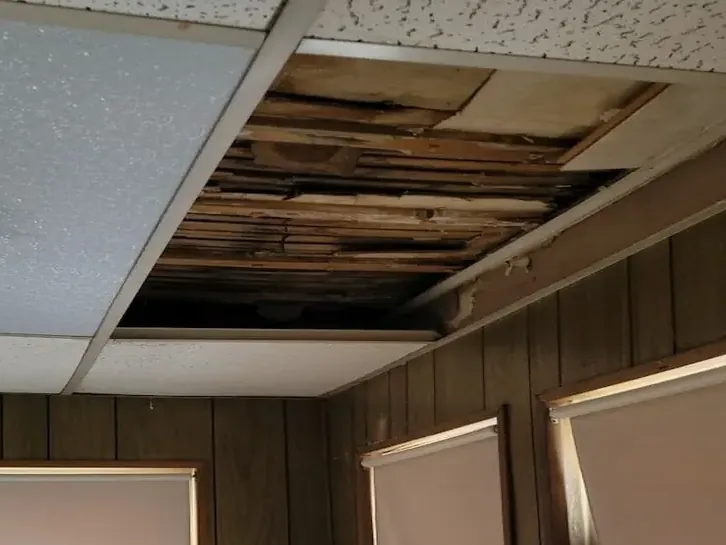 Roof Leak Water DamageHail and wind driven rain find weak flashing and shingles, then wet decking, insulation and drywall.How it gets handled
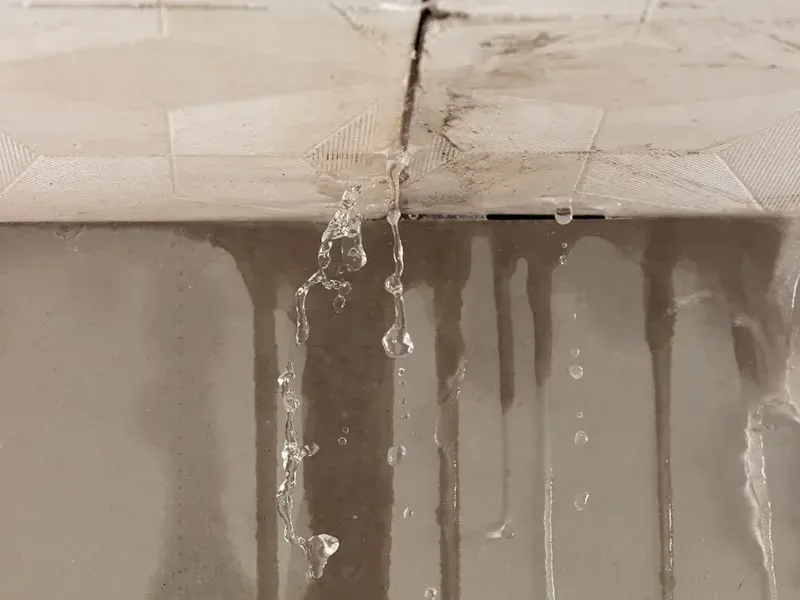 Ceiling Leak Water DamageStained or sagging ceilings get opened, dried and checked for the source above them.How it gets handled
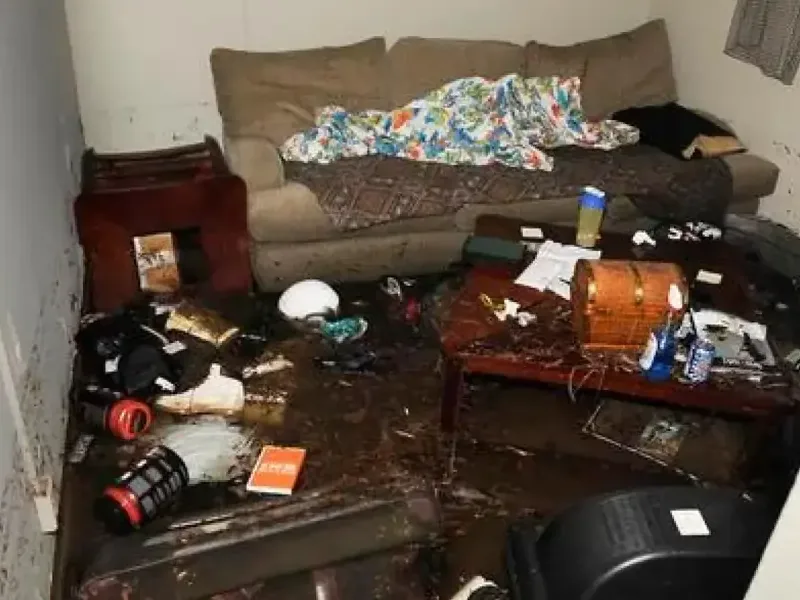 Storm & Flash Flood CleanupRunoff and creek overflow carry mud and silt into garages, low rooms and lower levels.How it gets handled
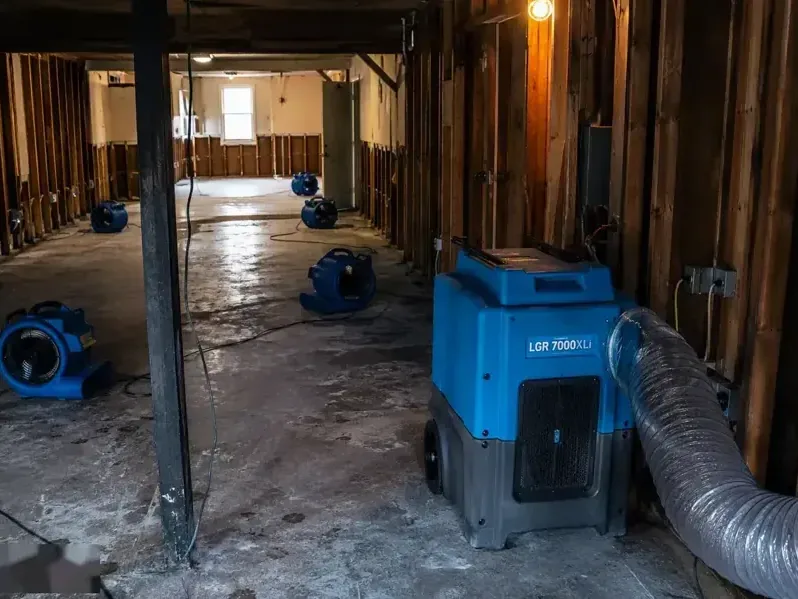 Structural Drying & DehumidificationAir movers and dehumidifiers dry framing, subfloors and hardwood on a measured schedule.How it gets handled
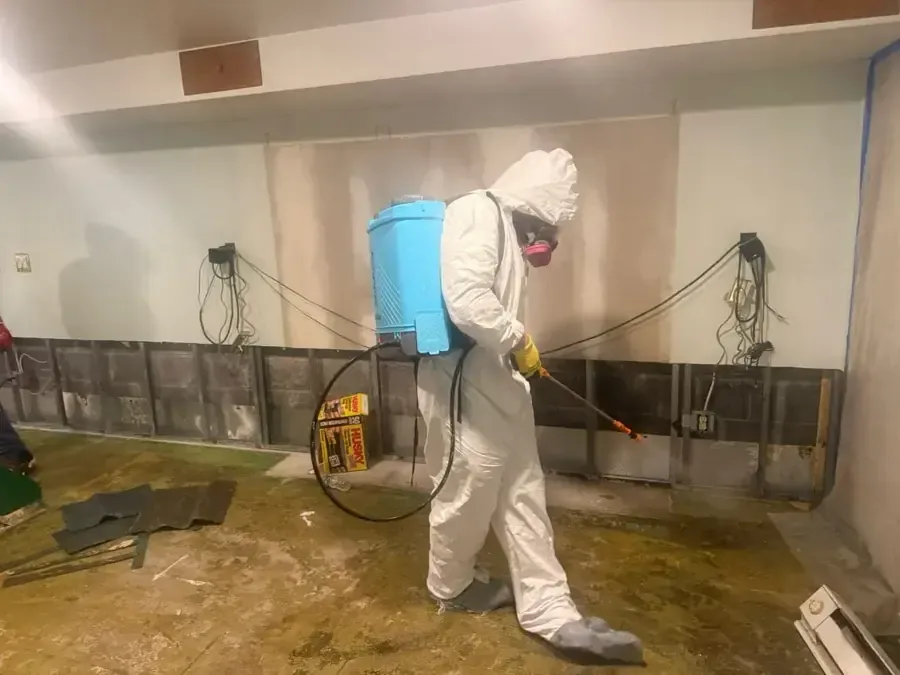 Sewage & Septic Backup CleanupSewage backups are contained, removed, disinfected and dried with protective gear and air filtration.How it gets handled
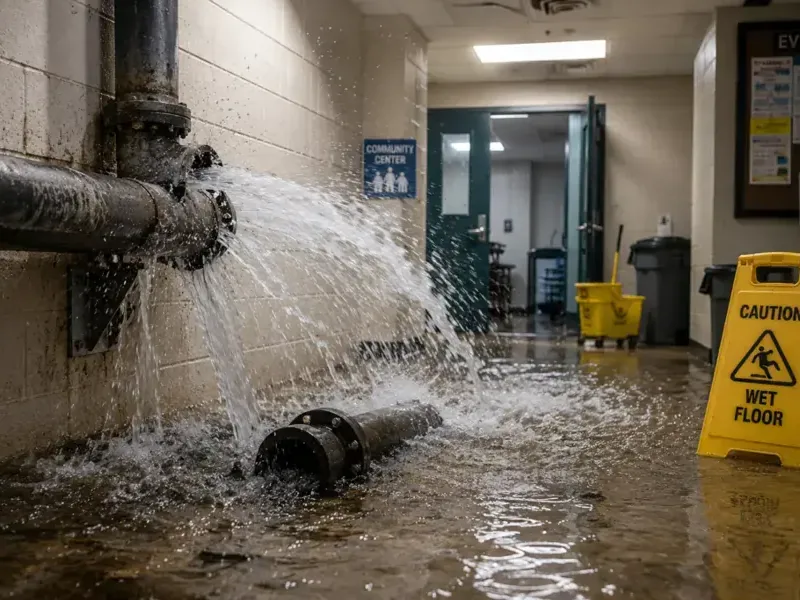 Commercial Water DamageOffices, shops, clinics and warehouses get extraction and phased drying planned around operating hours.How it gets handled
Not sure which service fits?
Describe what happened in plain words, and the technician will match it to the right service and the first drying steps.
Walk through the problemHow a wet home gets dried, step by step
Drying follows the IICRC S500 standard: the crew finds every wet material, sizes the equipment to the job, then repeats readings until each layer matches a dry reference.
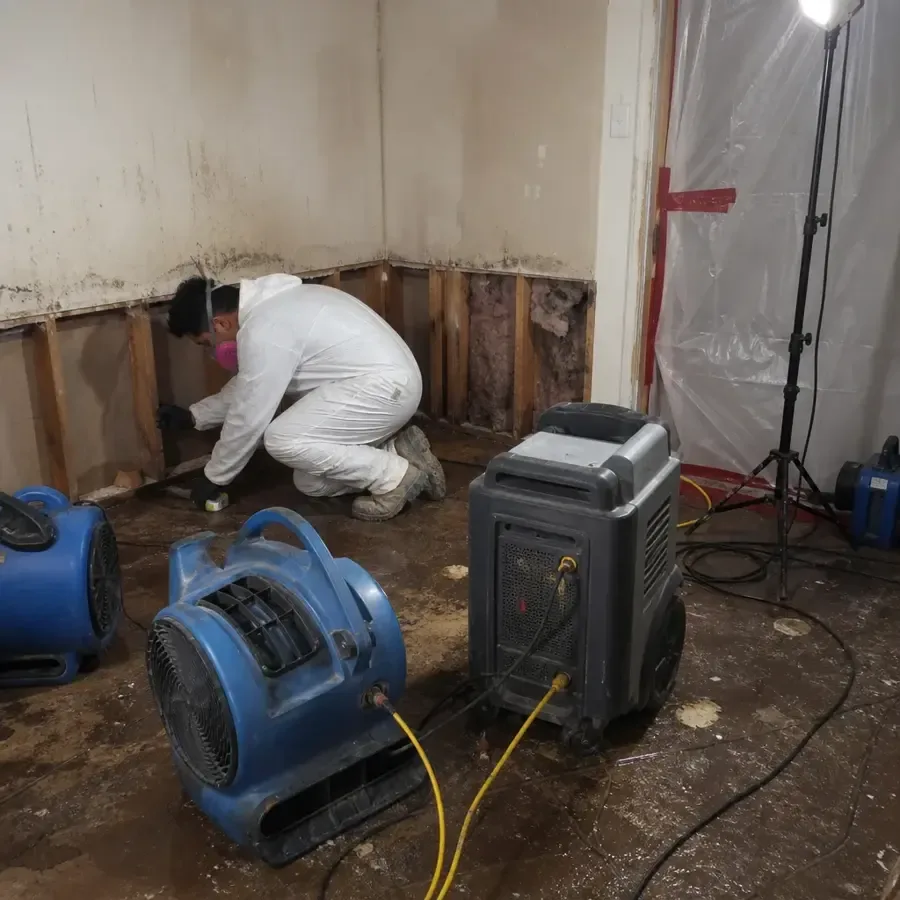
- Moisture mapped room by room
- Air movers placed by layer
- Dehumidifier sized to the space
- Readings logged every visit
- First visit
Find the water
A moisture meter and thermal camera trace water through floors, walls and ceilings while the team notes the source and whether the water is clean or contaminated.
- First visit
Set the equipment
Air movers, dehumidifiers and extraction units are sized to the rooms affected, and soaked pad or drywall comes out when drying in place cannot work.
- Middle days
Check and adjust
Readings are repeated each visit, and equipment moves or shuts off as each room reaches its dry reference.
- Last day
Confirm the finish
Final readings are compared with unaffected materials, equipment is removed, and the logs and photos are saved for the insurance claim.
Most homes need several days of equipment, with hardwood and concrete running longer. Mold risk starts between 24 and 48 hours after the leak begins.
Braselton drying equipment helpAll water damage categories covered in Braselton, GA
Restoration crews sort water into three categories by how clean it was at the source, and the category decides what gets removed and how it is cleaned.
Category 1: clean water
A broken supply pipe or an overflowing sink starts clean. Extraction and drying usually handle it, but clean water degrades the longer it sits in carpet or insulation.
Category 2: gray water
Washer and dishwasher discharge carries soap, food and bacteria. Carpet pad is usually removed, and hard surfaces are cleaned and treated before drying starts.
Category 3: black water
Sewage backups and floodwater from creeks or runoff are the most hazardous. The crew uses containment and protective gear, and porous materials are removed rather than saved.
How sewage cleanup worksDrying jobs in pictures
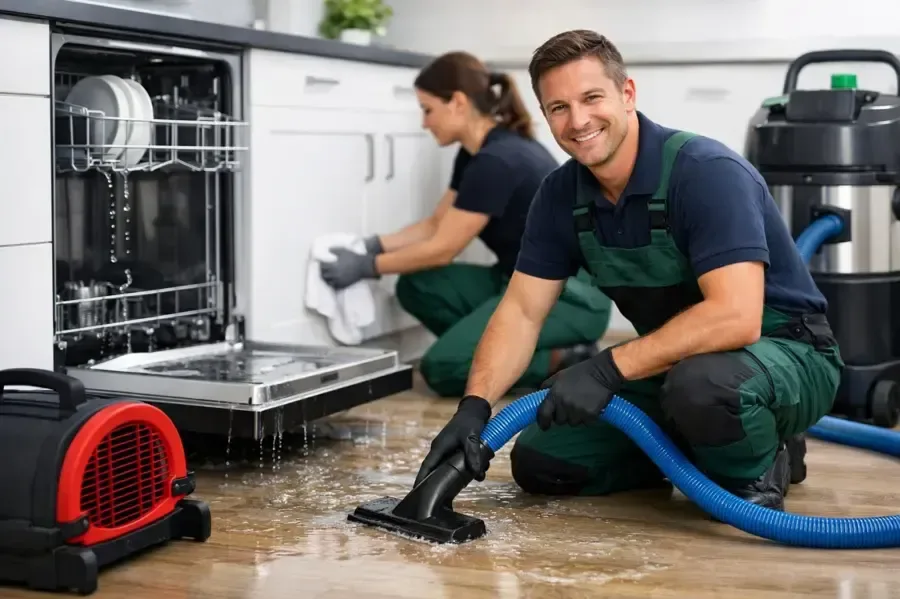
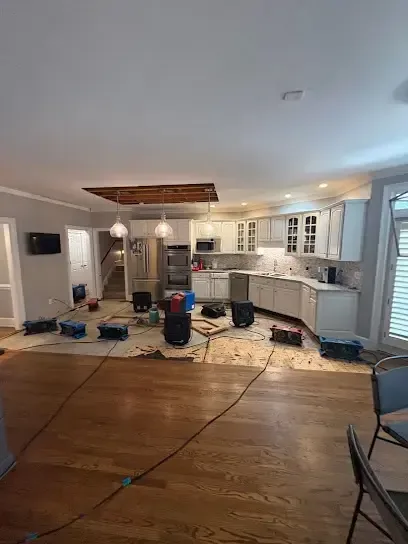
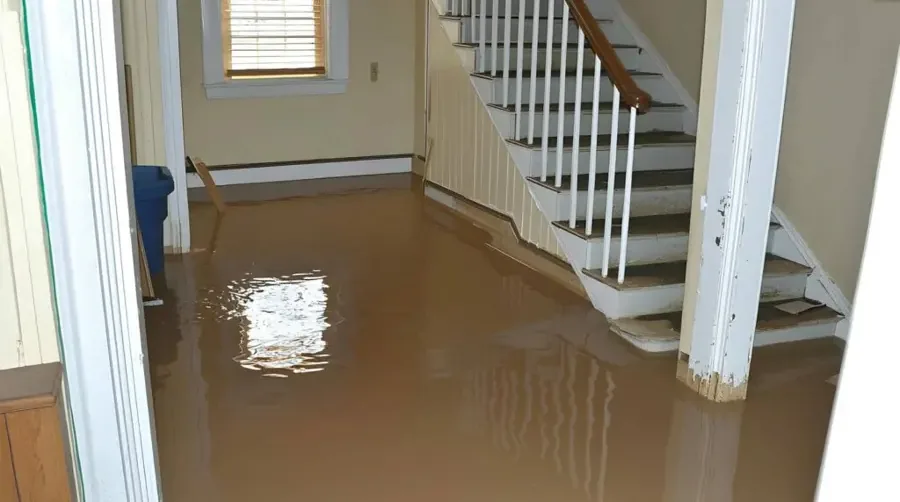
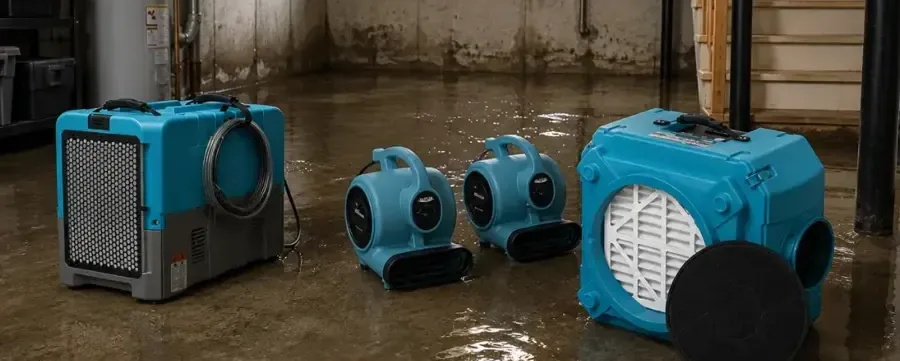
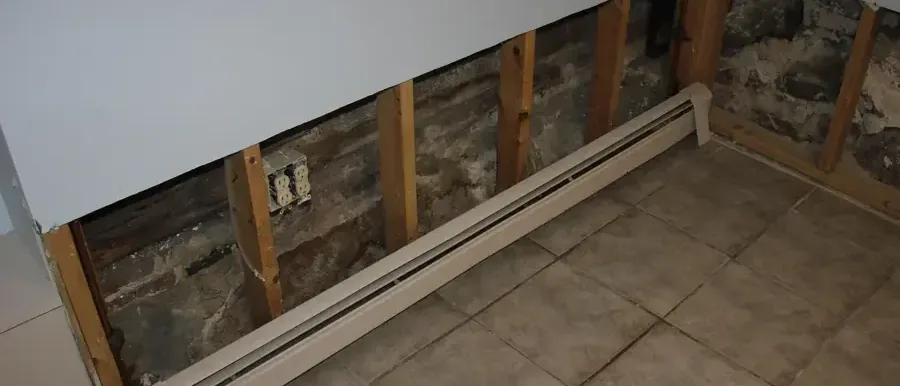
What does water damage restoration cost in Braselton, GA?
A small, early loss runs $1,200 to $3,500, several rooms run $3,500 to $8,000, and a whole floor or sewage loss reaches $8,000 to $20,000+. How long the water sat and what it carried set the tier.
One room, caught early
$1,200 to $3,500- Standing water extracted
- Pad lifted if soaked
- Air movers and dehumidifier
Several rooms or crawl space
$3,500 to $8,000- Lower walls flood cut
- Flooring and pad removed
- Daily moisture logs
Whole floor or sewage
$8,000 to $20,000+- Containment and antimicrobial cleaning
- Porous materials removed and bagged
- Extended drying and monitoring
Try the water damage cost calculator to narrow these ranges for a specific room count and water type.
One call reaches Braselton water damage pros, 24/7
The restoration team covers every part of the town across Jackson, Barrow, Gwinnett and Hall counties, from the older Downtown streets to the newer subdivisions and commercial sites along Interstate 85.
ZIP 30517Around downtown
Newer communities
Main corridors
How local weather and housing shape water losses
Most homes here are recent builds, the Town monitors the Mulberry River watershed, and the weather swings from hot summers with frequent thunderstorms to cold snaps that reach across north Georgia.
Thunderstorms and hail.
The Town says thunderstorms show up about one summer day in three, and a few bring hail and strong winds. Roof flashing, gutters and window seals take the hit, and water then follows framing downward.
Creeks and runoff.
The Mulberry River and Duncan Creek are the named waterways, and Jackson County's hazard mitigation plan lists the Mulberry River among those where flooding can cause significant damage. Garages and low rooms are the usual first casualties when runoff rises.
Newer single-family housing.
About 89 percent of homes date from 2000 or later and about 90.3 percent are detached houses, so most work involves newer single-family construction and its appliances and air handlers.
Cold snaps.
Winter Storm Fern iced north Georgia on January 24 and 25, 2026, and GEMA reported an Extreme Cold Warning on February 1, 2026. Those were regional events, but exposed attic and wall pipes are where cold snaps start.
Permits and inspections.
Braselton Planning and Development inspects slab, framing, insulation and plumbing work, and commercial buildings have their plans examined before work starts, so rebuild work after a loss follows the construction codes the Georgia Department of Community Affairs adopts.
Common questions about water damage
What should happen first after a pipe bursts?
Shut off the water at the main valve, switch off power to wet areas if the panel is dry and reachable, and call a restoration team. Extraction and drying should start before baseboards swell or pad stays wet for a full day.
Who handles a sewage backup, the Town or a restoration crew?
The Town runs its own water and sewer utility, so a failed public main is the Town's job. Sewage that reaches the inside of a house is a separate cleanup that needs containment, removal and disinfection by trained staff.
How long does drying usually take?
Most homes need several days of equipment, with hardwood, concrete and wet framing taking longer. A drying time estimator can set expectations, but moisture readings decide the actual end date.
Is storm water different from water out of a broken pipe?
Yes. Water that crosses roofs, soil and gutters is usually treated as contaminated, while a fresh supply pipe leak starts clean. The category decides whether carpet pad and lower drywall can be saved.
Can wet drywall and insulation just dry in place?
Sometimes. Firm drywall can be dried through drilled holes or an opened cavity, but sagging, stained or smelly drywall and soaked insulation hold moisture and are usually removed. Readings make the call.
What is the difference between extraction and structural drying?
Extraction removes standing and pooled water with a truck-mounted unit. Structural drying then pulls the moisture held in framing, subfloor and drywall using air movers and dehumidifiers, tracked with daily readings.
Does a newer home mean fewer water problems?
Not always. About 89 percent of homes here date from 2000 or later, yet supply fittings, appliance connections and air conditioner drain pans fail at any age, and a wet wall in a modern home still needs to be opened and dried.
What should a renter do about a leak from a neighboring unit?
Tell the property manager promptly, photograph the damage to walls and belongings, and ask for drying records. About 25.6 percent of occupied homes here are rented, and shared walls and ceilings let one unit's leak wet the next.
Do commercial losses follow the same process?
The science is the same, but the schedule differs. Crews phase the work around operating hours, and with more than 800 businesses in town, stores, offices and warehouses each need a plan that protects inventory and shared walls.
Who takes reports of flooding and drainage problems outside the house?
The Town asks residents to report drainage problems, flooding and pollution to its stormwater program, which is funded by a fee on rooftops, driveways and parking lots. Water inside the home is a restoration job.
Wet drywall, standing water or a backed up drain needs a plan
Moisture spreads into framing and insulation quickly, and early choices decide how much gets torn out. Tell the team what happened and the drying plan can begin.