Water Extraction in Braselton, GA
Standing water in a newer single-family house spreads into pad, baseboards and wall bottoms fast. The extraction crew pulls it out with truck-mounted equipment, then reads moisture to map what else is wet before drying is planned.
(888) 532-4616Tell the crew how deep the water is- Truck-mounted extraction
- Pad and carpet assessed
- Readings logged daily
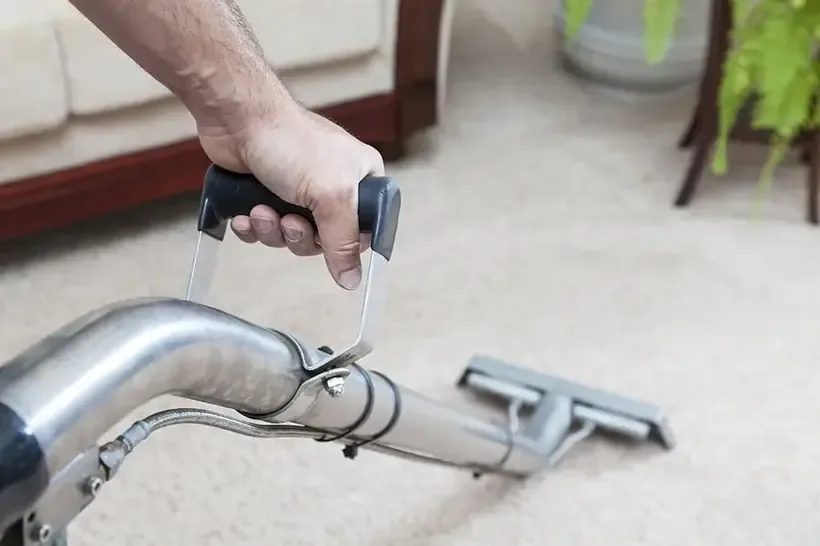
First steps for water extraction
- 1Stop the source. Close the supply valve or turn off the appliance, then switch off power to any wet room before stepping into standing water.
- 2Lift what can move. Furniture legs, rugs, books and electronics come off the floor so the crew can reach the wet area.
- 3Pull the water. A truck-mounted unit lifts standing water from carpet, pad and hard floors, and wet pad is pulled when it will not dry in place.
- 4Map what is left. A moisture meter and thermal camera show where water traveled into baseboards and wall bottoms, so drying equipment goes where it is needed.
How water extraction gets handled here
Two dry-outs can look the same on the first afternoon. The readings, the order of the work and the paper trail are what set a complete one apart.
Around-the-clock dispatch
Flooding ignores office hours, so the extraction crew works nights, weekends and holidays as readily as weekdays.
IICRC S500 drying standard
Extraction is the first stage of a drying plan written to S500, so the water removed here is measured against dry reference readings later.
Claim-ready documentation
Photos, moisture readings and a list of removed materials are saved from the first visit so an adjuster sees what the water did.
Local housing know-how
Most homes here are newer single-family builds, so extraction centers on carpet over pad, hard floors and the bottoms of drywall walls.
What does water extraction cost in Braselton, GA?
One room caught early runs $1,200 to $3,500, several rooms or a crawl space $3,500 to $8,000, and a whole floor or Category 3 loss $8,000 to $20,000+.
Four things move the number: the water category, how many square feet got wet, the material class and how soon drying began. The water damage cost calculator gives a planning range, and the firm figure comes after the walkthrough.
One room, caught early
$1,200 to $3,500- Standing water pumped out
- Pad lifted if needed
- Air movers set
Several rooms or crawl space
$3,500 to $8,000- Room by room extraction
- Flood cuts where wicked
- Daily readings logged
Whole floor or Category 3
$8,000 to $20,000+- Containment and antimicrobial
- Porous materials removed
- Extended drying
From first reading to dry: water extraction
- 1
Locate the water
Moisture meters and a thermal camera trace water beyond the visible puddle.
- 2
Remove the bulk
The extraction unit lifts standing water, and soaked pad or drywall is cut out if it cannot recover.
- 3
Dry what remains
Air movers and dehumidifiers go in for the wet floor and wall bottoms, placed by readings rather than guesses.
- 4
Verify and log
Final readings are compared with dry materials and the full record is handed over for the claim.
Extraction is the step that decides how much of a flood becomes a rebuild. Newer houses with carpeted bedrooms and hard floors downstairs lose water into pad and baseboards within the first day, so pulling it out early matters.
What the extraction crew handles
- Standing water on carpet, tile and laminate
- Water trapped under pad and vinyl plank
- Overflow from tubs, toilets and sinks
- Washer, dishwasher and water heater leaks
- Storm runoff that reaches a garage or lower room
- Wet baseboards and wall bottoms opened for drying
How the crew sorts the work
Clean water from a supply pipe is handled differently from gray or black water, so the crew checks the source before anything is lifted. Carpet over pad can often be extracted and dried in place when the water is clean and the loss is caught early. If the water carried contamination, the pad goes out, and sometimes the lower drywall goes with it.
Describe where the water is standing and the crew will set the extraction plan.
Talk to dispatch about water extraction: (888) 532-4616After the water is out
Extraction removes the bulk of the water, not the moisture held in framing, so drying equipment follows with daily readings. Water that has been sitting for more than a day gets a closer look, because pad, baseboards and drywall wick moisture upward and every extra room adds to the bill. Next steps are covered under structural drying, the drying time estimator sets expectations, and larger losses are described under water extraction in Winder.
Covering Braselton, GA and the roads around it
The restoration team covers every part of the town across Jackson, Barrow, Gwinnett and Hall counties, from the older Downtown streets to the newer subdivisions and commercial sites along Interstate 85.
View the full service areaWater Extraction and Removal: what homeowners ask
Can wet carpet be saved after extraction?
Often yes when the water was clean and extraction started early, because the carpet can be dried over the pad. Contaminated water or long sitting usually means the pad goes out and the carpet is replaced.
Why is a truck-mounted unit better than a shop vacuum?
Truck-mounted units pull far more water per pass and lift it from deep in pad and subfloor seams, which keeps moisture from wicking into baseboards and drywall.
What happens to water that soaked through to a lower level?
The crew traces it with moisture readings, opens the ceiling below if the drywall is saturated, and extracts from both levels so nothing is left holding water.
Does extraction include drying?
Extraction removes the bulk of the water, then drying equipment handles what soaked into wood, drywall and subfloor. Both belong to one plan, and readings decide when the equipment leaves.
Who is called for flooding outside the house?
The Town takes reports of drainage problems, flooding and pollution through its stormwater program. Water that reaches the inside of a home is a restoration job, and extraction can begin once the source is stopped.
How soon should mold be a worry?
Mold can begin within 24 to 48 hours of a wetting, which is the main reason extraction is not left until the next day.
Water on the floor is a clock, so extraction should not wait
The restoration team can talk through the leak, the rooms affected and the first steps toward getting the water out.