Storm & Flash Flood Cleanup in Winder, GA
Floodwater from outside is Category 3 from the start, carrying soil, bacteria and chemicals. The restoration team extracts it, removes the porous materials it touched, treats the surfaces and dries the structure.
(888) 532-4616Floodwater inside? Call now- Treated as Category 3
- Mud and silt removed
- EPA-registered antimicrobial
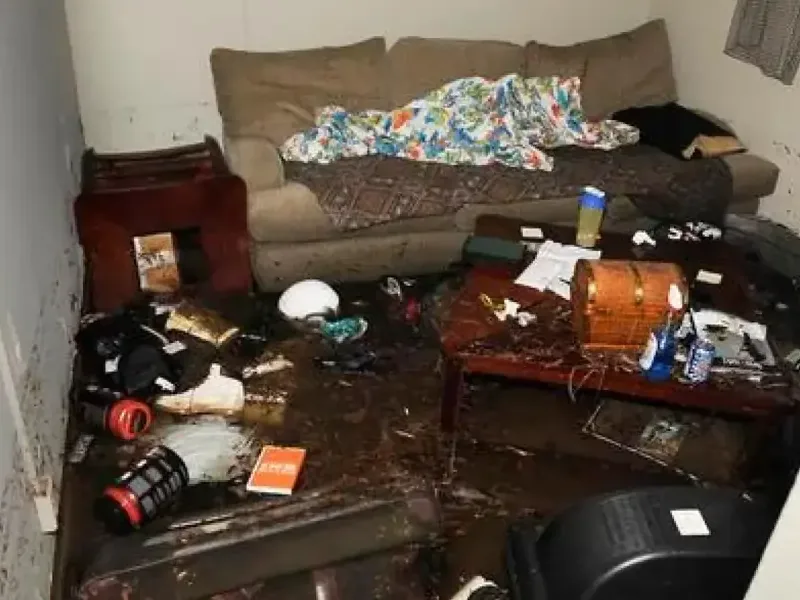
First steps for storm flood cleanup
- 1Stay out of floodwater. It can hide electrical hazards and carry sewage. Wear boots and gloves.
- 2Shut off power if it is safe. Only from a dry spot; otherwise wait for the utility.
- 3Photograph the high-water mark. Mark and photograph how high the water reached on the walls.
- 4Keep children and pets away. Floodwater and wet mud carry bacteria.
How storm flood cleanup gets handled here
Two dry-outs can look the same on the first afternoon. The readings, the order of the work and the paper trail are what set a complete one apart.
Rapid local response
Dispatch runs 24/7. Storms often hit at night, and floodwater keeps wicking up the walls while it sits.
Dried to the IICRC S500 standard
Outside floodwater is Category 3, so porous materials it touched come out before drying starts.
Claim-ready documentation
The high-water mark, photos and an itemized scope go into the file for a flood or homeowners claim.
Piedmont runoff know-how
Red clay sheds heavy rain fast, so low rooms, garages and crawl spaces take runoff even far from a creek.
What does storm flood cleanup cost in Winder, GA?
Storm and flash flood cleanup typically runs $3,000 to $12,000, depending on how high the water rose, how many rooms it reached and how much mud and porous material has to come out.
Four things move the number: the water category, how many square feet got wet, the material class and how soon drying began. The water damage cost calculator gives a planning range, and the firm figure comes after the walkthrough.
Garage or one low room
$3,000 to $5,000- Mud and water removed
- Antimicrobial treatment
- Drying
Several rooms, under a foot
$5,000 to $12,000- Flood cuts on the walls
- Flooring and pad out
- Containment and HEPA air
Deep or whole-floor flooding
$12,000 to $30,000+- Most porous materials removed
- Framing cleaned and treated
- Extended drying
From first reading to dry: storm flood cleanup
- 1
Assess safely
The tech checks power and structure, then maps how high the water reached.
- 2
Extract and muck out
Water, mud and silt come out with pumps, extraction and shovels.
- 3
Remove and treat
Wet drywall above the high-water mark, insulation, carpet and pad come out, and surfaces get an EPA-registered antimicrobial.
- 4
Dry and verify
Air movers, dehumidifiers and HEPA air scrubbers run until readings hit the dry goal.
Most storm flooding in Winder is not a river spilling its banks. It is a summer thunderstorm dumping inches of rain on red clay that cannot absorb it, sending runoff across yards, into garages, under doors and down crawl space vents. Low ground along Marbury Creek and other streams floods in longer, heavier rain.
How storm water gets inside
- Runoff down a sloped driveway into the garage and the rooms beside it
- Water under exterior doors on the low side of the house
- Crawl space vents and access doors below grade
- Window wells and terrace-level basement doors
- Overwhelmed gutters spilling against the foundation
- Rising water on low ground along creeks
How flood cleanup is done
Outside floodwater is Category 3, so the restoration team handles it the way it handles sewage. Water, mud and silt come out first. Drywall gets cut out above the high-water mark, and carpet, pad and wet insulation are removed and bagged. Hard surfaces and framing are cleaned and treated with an EPA-registered antimicrobial before the drying team sets air movers, dehumidifiers and HEPA air scrubbers. Water under the house follows crawl space water damage.
Storm water in the house? Get the mud out and the drying started.
Call (888) 532-4616 about storm flood cleanupFlood insurance and flood maps
Most homeowners policies exclude flood from rising surface water, and flood coverage comes through the NFIP or a private flood policy. Wind-driven rain through a damaged roof is handled differently. Coverage depends on your policy, so check with your own insurer. The FEMA flood maps page explains how to look up the flood zone for an address, and FloodSmart explains NFIP coverage.
Covering Winder, GA 30680 and Barrow County
The restoration team covers all of ZIP 30680, from the older streets around the courthouse downtown to the Fort Yargo side and the GA 316 corridor, with Statham, Bethlehem, Auburn and Braselton close by.
View the full service areaStorm and Flash Flood Cleanup: what homeowners ask
Is storm water really Category 3?
Yes. Water that flows across the ground carries soil, bacteria, fertilizer and sometimes sewage, so it is treated as Category 3 from the start.
Does homeowners insurance cover flood damage?
Usually not. Rising surface water is a flood, which needs an NFIP or private flood policy. Coverage depends on your policy, so check with your own insurer.
Can flooded carpet be saved?
Carpet and pad soaked by outside floodwater are removed. Hard flooring and some furniture can be cleaned, treated and dried.
Why cut the drywall above the water mark?
Drywall wicks water upward, so the cut goes above the high-water mark to reach all of the wet material.
Is my home in a flood zone?
The FEMA Flood Map Service Center shows the flood zone for any address. Many runoff floods happen outside mapped flood zones, though.
How long does flood cleanup take?
Mucking out and removal take one to two days. Drying usually runs three to seven days after that.
Storm water inside? Get the mud out before it dries in.
Floodwater keeps wicking up drywall and carries contamination into every room it touches. The restoration crew dispatches around the clock.