Burst Pipe Cleanup in Winder, GA
A burst pipe dumps clean water fast, and most of it ends up inside walls, ceilings and subfloor. The restoration team extracts it, opens what has to be opened and dries the structure to the IICRC S500 goal.
(888) 532-4616Pipe burst? Call now- Clean water, if caught early
- Wall cavities dried, not just floors
- Moisture map for the claim
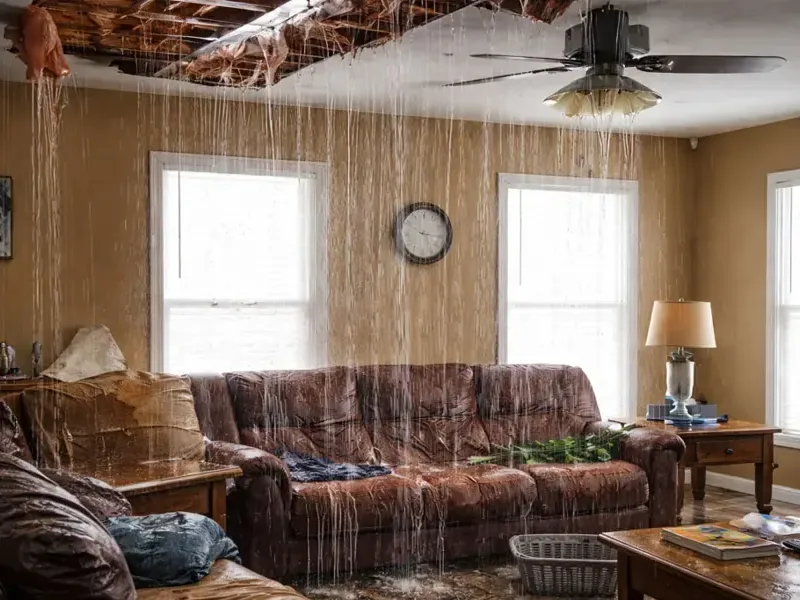
First steps for burst pipe cleanup
- 1Close the main shutoff. Water keeps flowing until the main valve is closed, and the meter box at the street has a valve if the house valve sticks.
- 2Open a faucet low in the house. It drains pressure and some of the water still in the pipes.
- 3Cut power to wet areas. Water from a ceiling can reach light fixtures and outlets.
- 4Have a plumber fix the pipe. The plumber repairs the pipe while the restoration team handles the water damage.
How burst pipe cleanup gets handled here
Two dry-outs can look the same on the first afternoon. The readings, the order of the work and the paper trail are what set a complete one apart.
Rapid local response
Dispatch runs 24/7, because a pipe that bursts at night has soaked the drywall by morning.
Dried to the IICRC S500 standard
Water from a supply pipe is Category 1, so most framing and drywall can dry in place when the work starts early.
Claim-ready documentation
The crew photographs the failed pipe area and the wet materials before any demolition, then logs readings daily.
Local pipe know-how
Homes built from the late 1970s to the mid-1990s may still carry polybutylene, and its fittings fail with little warning.
What does burst pipe cleanup cost in Winder, GA?
Burst pipe cleanup typically runs $1,500 to $6,000, not counting the plumbing repair, depending on how long the pipe ran and whether ceilings got wet. A pipe that ran for hours through several rooms can reach $12,000 or more.
Four things move the number: the water category, how many square feet got wet, the material class and how soon drying began. The water damage cost calculator gives a planning range, and the firm figure comes after the walkthrough.
One wall or room
$1,500 to $3,000- Extraction
- Baseboards off, holes drilled
- Wall cavity drying
Ceiling and the room below
$3,000 to $6,000- Wet ceiling drywall removed
- Insulation pulled
- Drying on two levels
Ran for hours, several rooms
$6,000 to $12,000+- Flood cuts in several rooms
- Subfloor and framing dried
- Extended monitoring
From first reading to dry: burst pipe cleanup
- 1
Stop and map
The tech confirms the water is off and maps wet walls, ceilings and floors with meters and a thermal camera.
- 2
Extract
The extraction crew pulls standing water from floors and carpet.
- 3
Open and remove
Wet ceiling drywall and insulation come down, and walls get holes or flood cuts so air reaches the cavity.
- 4
Dry and verify
Air movers, LGR dehumidifiers and cavity drying run until readings hit the dry goal.
Supply pipes in Winder homes run through attics, exterior walls and crawl spaces, so a burst usually starts somewhere hidden. By the time water shows on a ceiling or under a baseboard, it has already soaked the drywall and insulation around it.
Why pipes burst in local homes
- Polybutylene pipe and fittings in homes built from the late 1970s to the mid-1990s
- Copper pinhole leaks that open up under pressure
- Failed PEX crimp rings or CPVC joints in newer homes
- Attic and exterior-wall pipes that split in a hard freeze
- Toilet, sink and washer supply hoses that rupture
How a burst pipe cleanup is done
The restoration team extracts standing water first, then opens what traps moisture. Baseboards come off, small holes go in at the bottom of the wall for cavity drying, and wet ceiling drywall comes down because it sags and can fall. Insulation that soaked through is removed. Air movers and LGR dehumidifiers then run until the framing and drywall read dry. See structural drying for how cavity drying works.
Pipe burst and water still on the floor? Get extraction started.
Call (888) 532-4616 about burst pipe cleanupThe plumber, the crew and the claim
A plumber repairs the pipe, and the restoration team handles the water damage. Keep the failed section of pipe if the plumber removes it, since adjusters sometimes ask to see it. The EPA WaterSense program covers household leak checks, and Ready.gov winter weather explains how to protect pipes in a cold snap.
Covering Winder, GA 30680 and Barrow County
The restoration team covers all of ZIP 30680, from the older streets around the courthouse downtown to the Fort Yargo side and the GA 316 corridor, with Statham, Bethlehem, Auburn and Braselton close by.
View the full service areaBurst Pipe Cleanup: what homeowners ask
Is water from a burst pipe clean?
Water straight from a supply pipe is Category 1. It can turn into Category 2 if it sits for a couple of days or runs through dirty materials, which is one reason to start drying early.
Will the drywall have to come out?
Not always. Walls soaked with clean water often dry in place with cavity drying. Ceiling drywall that holds water usually comes down, because it sags and can fall.
How long does a burst pipe cleanup take?
Extraction and setup take a day. Drying usually runs three to five days, longer when the water reached hardwood, subfloor or more than one level.
Does homeowners insurance cover a burst pipe?
A sudden burst is usually treated as accidental discharge, while damage from a slow, long-term leak often is not covered. Coverage depends on your policy, so check with your own insurer.
What is polybutylene pipe?
A gray plastic supply pipe used in many homes from the late 1970s to the mid-1990s. The pipe and its fittings can fail suddenly, so many owners replace it.
Should I keep the broken pipe?
Yes, if the plumber removes it. Adjusters sometimes ask to see the failed section, and photos of it belong in the claim file.
Pipe burst? Stop the water and get the drying going.
A burst pipe soaks walls and ceilings fast, and hidden water keeps spreading inside the cavity. The restoration crew dispatches around the clock.