Water Extraction & Removal in Winder, GA
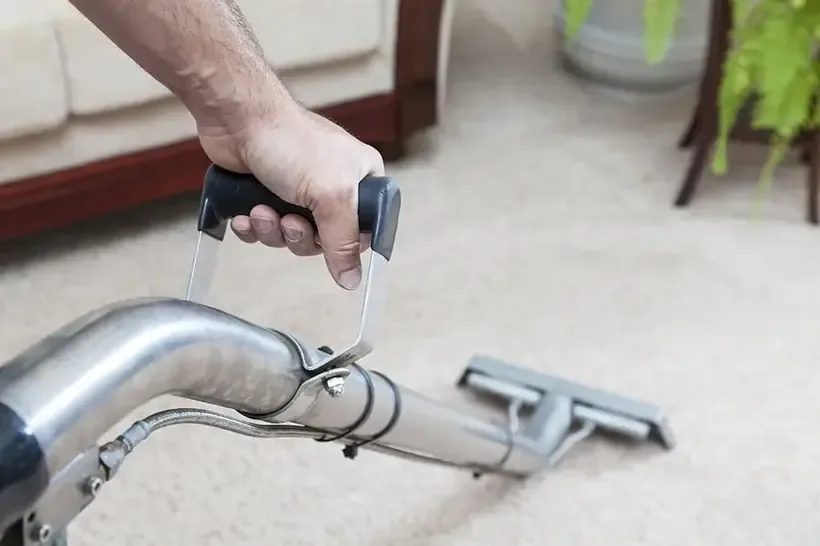
Standing water does its worst damage while it sits. The extraction crew pulls it out with truck-mounted extraction and weighted wands, so drying starts on damp materials instead of soaked ones.
(888) 532-4616Water standing? Call for extraction- Truck-mount extraction
- Weighted wand passes on carpet
- Readings before and after
First steps for water extraction
- 1Stop the source. Close the main shutoff or the valve behind the fixture that failed.
- 2Cut the power. Switch off breakers for wet rooms before anyone walks through standing water.
- 3Lift what you can. Get rugs, cushions, papers and electronics off the wet floor.
- 4Photograph, then wait. A household wet vac moves surface water but leaves carpet pad soaked. Photos of every wet room help the claim more.
How water extraction gets handled here
Two dry-outs can look the same on the first afternoon. The readings, the order of the work and the paper trail are what set a complete one apart.
Rapid local response
Dispatch runs 24/7 because extraction does the most good in the first hours, before water wicks into drywall and subfloor.
Extraction before air movers
The IICRC S500 standard puts water removal first. Extraction takes out far more water than evaporation can, which shortens the drying.
Documented from the first pass
The crew records a moisture map and photos before and after extraction, and both go into the claim file.
Matched to local floors
Carpet over a slab, vinyl plank and crawl space subfloors each need a different tool, from a weighted wand to a submersible pump.
What does water extraction cost in Winder, GA?
Water extraction with drying typically runs $1,200 to $3,500 for one room caught early and $3,500 to $8,000 for several rooms or a crawl space, depending on the water category and how much material got wet.
Four things move the number: the water category, how many square feet got wet, the material class and how soon drying began. The water damage cost calculator gives a planning range, and the firm figure comes after the walkthrough.
One room, caught early
$1,200 to $3,500- Truck-mount extraction
- Pad pulled if needed
- Air movers and a dehumidifier
Several rooms or a crawl space
$3,500 to $8,000- Extraction room by room
- Flood cuts where walls wicked
- Daily readings and logs
Whole floor or Category 3
$8,000 to $20,000+- Containment and antimicrobial
- Porous materials removed
- Extended drying
From first reading to dry: water extraction
- 1
Find the edges
The tech maps where the water went with meters and a thermal camera, including under cabinets and behind baseboards.
- 2
Pull the water
The extraction crew runs truck-mounted extraction and weighted wands until the carpet stops giving up water.
- 3
Remove what will not dry
Soaked pad and any Category 3 material come out, and everything else stays for drying.
- 4
Set the drying
The drying team places air movers and LGR dehumidifiers and starts daily readings.
Most water losses in Winder start with the same job: getting standing water out before it moves into the walls. Carpet over a slab holds water in the pad, vinyl plank traps it underneath, and in a crawl space home the water drops through to the dirt and the framing. Extraction is the step that makes all of the drying after it shorter.
How extraction works on different floors
- Carpet and pad: weighted wands press water out of the carpet. Soaked pad usually comes out, since it is cheap to replace and slow to dry.
- Vinyl plank and laminate: water runs under the planks, so the crew often lifts planks to reach the slab or subfloor.
- Tile over a slab: a squeegee wand and a dry pass, then readings at the grout and baseboards.
- Crawl spaces: a submersible pump for standing water, then a wet vac on the vapor barrier before the framing gets dried.
Why truck-mounted extraction matters
Truck-mounted units pull water with far more vacuum than portable units or a shop vac, and they carry it out to the truck instead of into a bucket. Every gallon removed by extraction is a gallon that never has to evaporate, and evaporation is the slow part of drying.
Standing water on the floor right now? Get it pulled before it wicks into the walls.
Call (888) 532-4616 for water extractionAfter the water is out
Extraction ends when the carpet stops giving up water and the meters show damp materials instead of soaked ones. The drying team then sets equipment for structural drying, and readings continue every day. When the water came from a sewer or septic backup, sewage and septic backup cleanup follows the Category 3 steps instead.
The EPA WaterSense leak checklist helps find the small household leaks that turn into big ones, and Ready.gov flood safety covers staying safe around standing water.
Covering Winder, GA 30680 and Barrow County
The restoration team covers all of ZIP 30680, from the older streets around the courthouse downtown to the Fort Yargo side and the GA 316 corridor, with Statham, Bethlehem, Auburn and Braselton close by.
View the full service areaWater Extraction and Removal: what homeowners ask
Can I just use a shop vac?
A shop vac moves surface water, but it cannot pull water out of carpet pad, from under vinyl plank or out of a soaked subfloor. Truck-mounted extraction removes far more water per pass, which cuts the drying time.
Does wet carpet have to be replaced?
Not always. Carpet soaked by clean water often dries in place after extraction, though the pad usually comes out. Carpet touched by sewage or floodwater gets removed.
How long does extraction take?
One or two rooms usually take a few hours, including the moisture map. A whole floor or a flooded crawl space takes longer, and drying afterward runs several days.
What happens to furniture during extraction?
The crew moves furniture out of the wet area or sets it on blocks, so the legs do not stain the carpet or wick up water.
Is water extraction covered by insurance?
When the water came from a sudden, accidental source like a burst pipe, extraction is usually part of the covered mitigation. Coverage depends on your policy, so check with your own insurer.
Why does drying still take days after extraction?
Extraction removes the water you can see. Water that soaked into drywall, framing and subfloor has to evaporate, and dehumidifiers pull it from the air until readings reach the dry goal.
Water standing in the house? Pull it out before it spreads.
Every hour standing water sits, it climbs drywall and soaks deeper into the subfloor. The extraction crew dispatches around the clock.