Storm and Flash Flood Cleanup in Auburn, GA
When heavy rain pushes water into a garage, a low room or a whole floor, it comes in carrying soil and debris. The response team pumps it out, removes what cannot be cleaned and dries and treats the structure.
(888) 532-4616Floodwater came inside the house- Mud and silt removed
- Flood cuts on walls
- HEPA air filtration
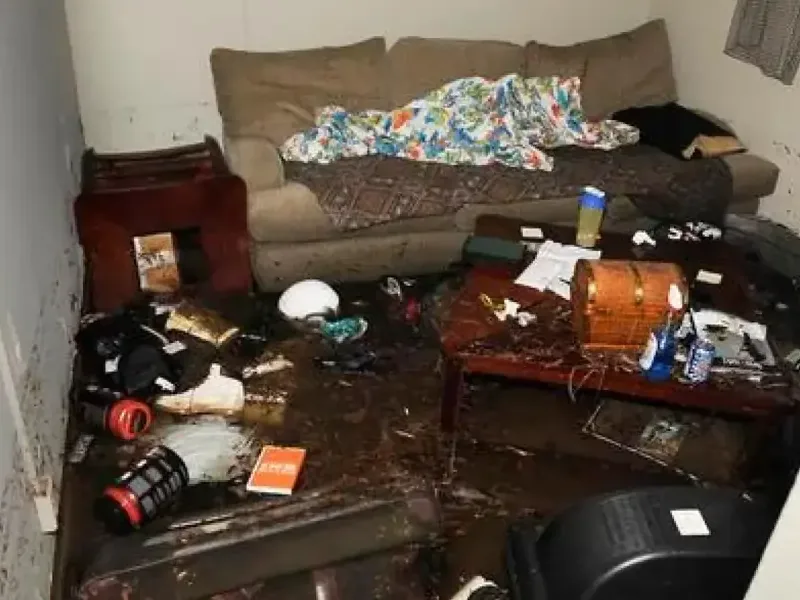
First steps for storm flood cleanup
- 1Stay safe first. Turn off power to flooded areas, avoid standing water near outlets and keep children and pets out of the mud.
- 2Document the loss. Photograph the water height on walls and furniture before anything is moved, since insurers rely on it.
- 3Pump and remove. The extraction crew pumps out standing water, shovels silt and hauls out soaked pad and flooring.
- 4Clean and dry. Surfaces are cleaned and treated, walls are cut back above the wet mark and dehumidifiers run until readings clear.
How storm flood cleanup gets handled here
Two dry-outs can look the same on the first afternoon. The readings, the order of the work and the paper trail are what set a complete one apart.
Dispatch through the storm
Flooding peaks at night and during severe weather. The response team works around the clock and plans each trip around road conditions.
IICRC S500 drying standard
After cleaning, the drying team follows the S500 standard, drying framing and subfloor to a measured goal and logging every reading.
Claim-ready records
Water height photos, discarded materials and daily logs go in one file, which helps separate flood losses from other damage.
Watershed know-how
The town sits near the upstream end of the Upper Oconee River watershed, with the Apalachee River to the south, and the crew plans cleanups with creek-fed, low-lying ground in mind.
What does storm flood cleanup cost in Auburn, GA?
Storm flood cleanup runs $3,000 to $5,000 for a garage or one low room. Several rooms under a foot of water run $5,000 to $12,000, and deep flooding reaches $12,000 to $30,000+.
Four things move the number: the water category, how many square feet got wet, the material class and how soon drying began. The water damage cost calculator gives a planning range, and the firm figure comes after the walkthrough.
Garage or one low room
$3,000 to $5,000- Mud and water pulled
- Surfaces treated, cleaned
- Drying equipment set
Several rooms, under a foot
$5,000 to $12,000- Wall flood cuts made
- Flooring and pad out
- Barriers and HEPA air
Deep or whole floor water
$12,000 to $30,000+- Porous materials mostly out
- Framing cleaned, treated
- Drying runs longer
From first reading to dry: storm flood cleanup
- 1
Assess the water
The tech who does the walkthrough notes the water category, the height on the walls and any contamination.
- 2
Remove and clean
Silt, debris and soaked materials come out, and surfaces are cleaned and sanitized.
- 3
Cut back and dry
Drywall is cut above the wet mark and dehumidifiers dry framing, subfloor and wall cavities.
- 4
Verify and release
HEPA air scrubbing and final readings confirm the space is ready for rebuild.
Floodwater is not just wet. It carries soil, bacteria and whatever it crossed on the way, so the cleanup is closer to disinfection than drying. The response team removes what cannot be made safe, treats what can, and finishes with structural drying once the surfaces are clean.
What floodwater leaves behind
- Red clay silt that stains and clings to every surface
- Soaked pad and carpet that cannot be sanitized
- Drywall wicking water above the visible mark
- Insulation in low walls holding contaminated water
- Muddy residue inside floor vents and air returns
- Odors that linger in subfloors and cabinet bases
Water and drainage around Auburn
Red clay soil absorbs rain slowly, so runoff gathers fast in a heavy storm and heads for creeks and low ground. A September 2024 city planning packet describes a wooded site in Auburn that slopes toward a creek with floodplain. Barrow County also replaced a failing culvert near Dee Kennedy Road with a bottomless arch bridge in a $1.56 million project, so water and wildlife can pass freely. Hurricane Helene crossed Georgia that same month, a reminder of how much water a regional storm can drop.
Floodwater inside the house? Talk with a technician about cleanup and drying.
Talk to dispatch about storm flood cleanup: (888) 532-4616Cleaning, not just drying
Category 3 floodwater means porous materials such as carpet, pad and low drywall are usually removed instead of dried. Hard surfaces are cleaned and treated, the air is filtered through HEPA units and the framing is dried to a measured goal. Where the water entered through a sewer or drain, sewage backup cleanup adds steps for the same reasons.
Covering Auburn, GA and the roads around it
The restoration team covers all of ZIP 30011, from the downtown storefronts and the historic district to the Town Center, Harmony and Trinity Station, plus the homes and businesses along Atlanta Highway and Mount Moriah Road.
View the full service areaStorm and Flash Flood Cleanup: what homeowners ask
Is floodwater considered contaminated?
Yes. Water that has crossed yards, roads or drains carries soil, bacteria and chemicals. It is treated as Category 3, so porous materials are removed and surfaces are cleaned and treated.
Can carpet be saved after a flood?
Usually not. Carpet and pad that sat in floodwater cannot be reliably sanitized, so both are removed, while hard flooring and framing can often be cleaned and dried.
How high do the walls get cut?
Drywall is cut a few inches above the wet mark, and moisture readings show whether water wicked higher. Insulation behind the cut is removed with it, so the cavity can dry out.
Does homeowners insurance cover flood damage?
Standard homeowners policies often exclude flood from rising water, which is a separate coverage. Check your own policy with your insurer, and keep photos of the water height.
What about stained red clay mud?
Clay mud stains porous finishes if it dries, so it is removed while still damp and surfaces are cleaned right away. Old stains are harder to lift.
How long does flood cleanup take?
Cleanup and treatment often take a few days, followed by drying that can last several more. Deep or whole-floor flooding takes longer, and readings decide.
Floodwater in the house? Start the cleanup and drying
Tell the response team how high the water got and what it crossed, and the cleanup plan follows.