Storm and Flash Flood Cleanup in Dacula, GA
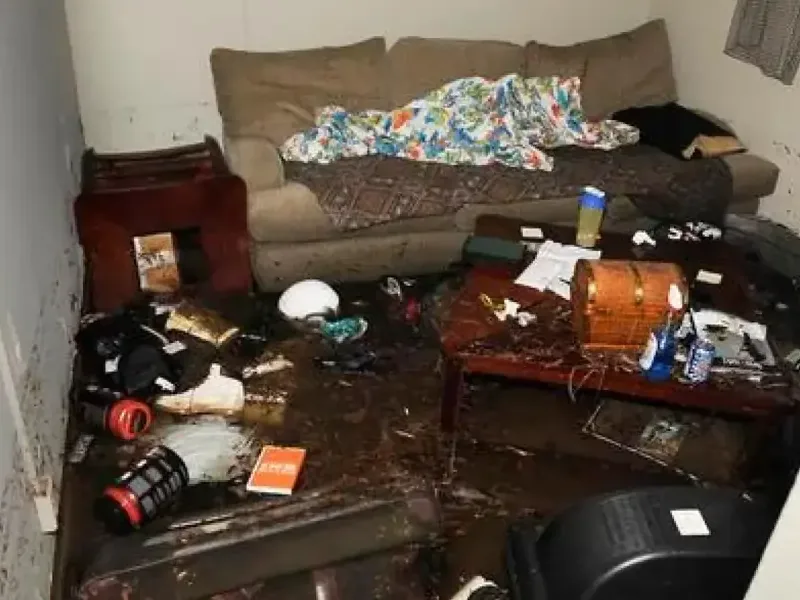
Floodwater carries mud, runoff and debris, which makes it Category 3 from the start. The restoration team removes the standing water and silt, takes out what cannot be cleaned and dries and treats the structure afterward.
(888) 532-4616Report the flooded rooms- Mud and silt removed
- Antimicrobial treatment
- HEPA air scrubbing
First steps for storm flood cleanup
- 1Stay out of the water. Floodwater can hide debris and carry contamination, and it may touch live outlets, so keep people and pets out of it.
- 2Cut power safely. Turn off breakers to flooded areas only if the panel is dry, and call an electrician before restoring power.
- 3Photograph the high water mark. Capture the water level on walls, damaged contents and any debris before cleanup starts.
- 4Call before it settles. Mud dries into floors and walls fast, so calling early keeps cleanup simpler and saves more flooring.
How storm flood cleanup gets handled here
Two dry-outs can look the same on the first afternoon. The readings, the order of the work and the paper trail are what set a complete one apart.
Around-the-clock dispatch
Flash floods do not follow a schedule, so the extraction crew works nights and holidays too.
IICRC S500 drying standard
Floodwater is Category 3 under S500, so the work includes containment, removal of porous materials and cleaning before drying begins.
Claim ready documentation
High water marks, discarded materials and moisture readings are photographed and logged, which helps an adjuster follow the loss.
Regional rain know-how
Hurricane Helene in September 2024 and the downpour of September 2009 show how fast heavy rain can overwhelm creeks and roads in Gwinnett County and neighboring counties.
What does storm flood cleanup cost in Dacula, GA?
A garage or one low room costs $3,000 to $5,000, several rooms under a foot of water run $5,000 to $12,000, and deep or whole floor flooding can pass $30,000.
Four things move the number: the water category, how many square feet got wet, the material class and how soon drying began. The water damage cost calculator gives a planning range, and the firm figure comes after the walkthrough.
Garage or one low room
$3,000 to $5,000- Mud and water pumped out
- Antimicrobial wash
- Fans and dehumidifier
Several rooms, under a foot
$5,000 to $12,000- Walls cut above the waterline
- Flooring and pad removed
- Containment with HEPA air
Deep or whole floor flooding
$12,000 to $30,000+- Most porous materials hauled
- Framing cleaned and treated
- Extended drying
From first reading to dry: storm flood cleanup
- 1
Remove water and mud
Pumps and wands clear the water, then shovels and vacuums take up silt before it dries on floors.
- 2
Remove porous materials
Carpet, pad, insulation and wet drywall below the waterline are cut out and bagged.
- 3
Clean and treat
Hard surfaces and framing are washed, then treated with an antimicrobial before drying.
- 4
Dry the structure
Air movers, dehumidifiers and HEPA air machines run until readings match dry references.
Floodwater is not clean water that happened to arrive in the wrong place. It carries soil, runoff and bacteria into the house, so flood cleanup starts with removal and sanitizing, and drying comes afterward, not first. Anything that stayed wet for a day or more, such as carpet or padding, usually has to go.
What flood cleanup involves
- Pumping and shoveling out water, mud and silt
- Cutting drywall above the waterline
- Removing soaked carpet, pad and insulation
- Washing and treating framing and concrete
- Running HEPA air machines to clean the air
- Drying until every material reads dry
Heavy rain and the sewer system
Gwinnett County Department of Water Resources runs the county stormwater system, which is separate from the sewer. Even so, stormwater that seeps into the sewer, called inflow and infiltration, reduces pipe capacity in wet weather, so a flood can come with a sewage backup. Floor drains in garages and low rooms are the usual place it shows. When that happens the work follows the steps for sewage backup cleanup.
Flooded after heavy rain? Describe the water and the rooms to the restoration team.
Talk to dispatch about storm flood cleanup: (888) 532-4616After the water is gone
Mud and silt leave a film that has to be washed off, and wet framing needs structural drying before anything closes up. Crawl spaces and garages are checked too, since water settles there. Ground that stays saturated can send water back through low walls, so readings continue after the first dry out. See crawl space water damage and structural drying for the next stages.
Covering Dacula, GA and the roads around it
The restoration team serves Dacula and the wider 30019 ZIP, including Hamilton Mill, across the east side of Gwinnett County, and handles emergencies day or night for homes, storefronts and small commercial spaces.
View the full service areaStorm and Flash Flood Cleanup: what homeowners ask
Is floodwater always Category 3?
In practice, yes. Water that moved across yards, roads or drains picks up contamination, so it is treated as Category 3 even when it looks fairly clear. Treating all floodwater that way is the safe default.
What gets thrown out after a flood?
Carpet, pad, insulation and drywall that soaked through are usually removed, while solid wood and hard materials can often be cleaned and dried. The crew sorts items as it goes.
Can I start cleaning myself?
Wear boots, gloves and a mask, and keep water off your hands and face. Removal of porous materials is better left to a crew with the right protective gear.
Does the flood come with sewage?
Sometimes. Heavy rain adds stormwater to the sewer system, so a floor drain or toilet can back up too, which changes the work to sewage rules. A plumber checks the sewer lateral afterward.
Does insurance cover flood damage?
Standard homeowner policies often exclude rising flood water, and flood coverage is a separate policy, so your insurer decides. Keep photos of the high water mark.
How long does flood drying take?
Several days after the debris is out, and longer with dense materials. The drying time estimator gives a rough range.
Floodwater leaves mud and contamination that get harder to remove each day
Describe the flooded rooms and the restoration team will plan removal, cleaning and drying for the whole space.