Sewage Backup Cleanup in Auburn, GA
Sewage in the house is a health hazard, not a mop-up job. The restoration team contains the area, removes the contaminated water and porous materials, cleans and treats every surface, and dries the structure in protective gear.
(888) 532-4616Sewage backing up inside the house- Containment and PPE
- Category 3 materials removed
- HEPA air scrubbing
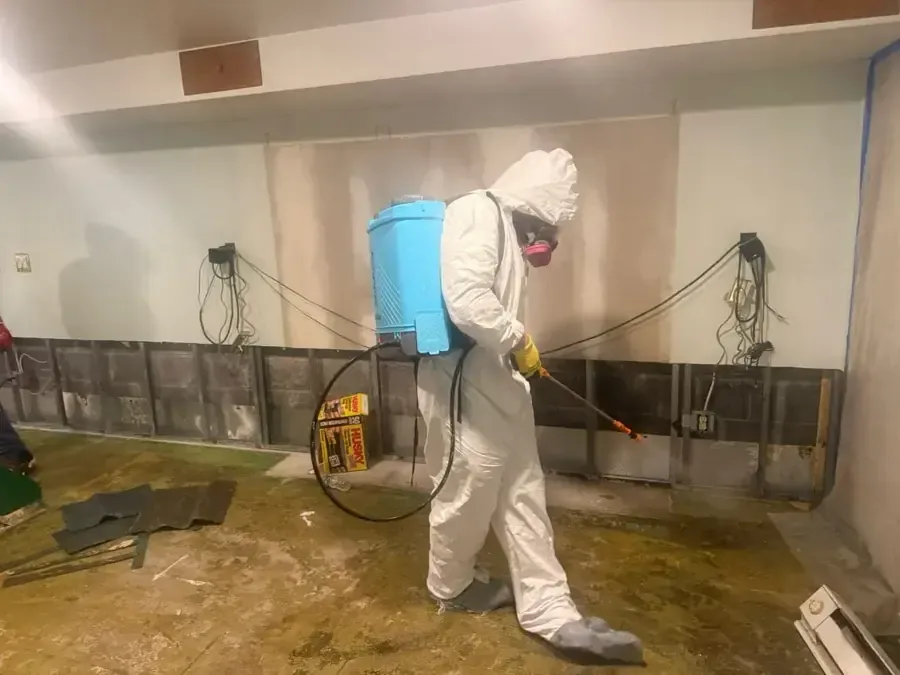
First steps for sewage backup cleanup
- 1Stay out. Keep people and pets away from the affected area, and do not run water or flush toilets while a drain is backing up.
- 2Find the cause. A plumber or septic contractor clears the blockage or checks the tank, so the sewage stops returning.
- 3Contain and remove. The crew seals off the area, extracts contaminated water and bags carpet, pad and wet drywall for disposal.
- 4Clean and dry. Surfaces are cleaned and treated, HEPA air scrubbers run and dehumidifiers dry the structure to goal.
How sewage backup cleanup gets handled here
Two dry-outs can look the same on the first afternoon. The readings, the order of the work and the paper trail are what set a complete one apart.
Night and weekend response
Backups tend to surface on holidays and weekends, when households use the most water. The response team works around the clock for that reason.
IICRC S500 drying standard
Sanitizing comes first, then the drying team follows the S500 standard to dry framing and subfloor and logs each reading for the record.
Records for the claim
Photos, discarded materials and treatment steps are listed in a file, because sewage claims depend on the cause and the policy.
Sewer and septic know-how
The 2023 city plan puts public sewer downtown, and newer subdivisions such as Trinity Station have it too, so a backup can come from the county sewer system or from a septic tank.
What does sewage backup cleanup cost in Auburn, GA?
Sewage backup cleanup runs $2,500 to $4,500 for a small hard floor backup. Carpeted rooms or a crawl space run $4,500 to $10,000, and a large backup reaches $10,000 to $20,000+.
Four things move the number: the water category, how many square feet got wet, the material class and how soon drying began. The water damage cost calculator gives a planning range, and the firm figure comes after the walkthrough.
Small backup, hard floor
$2,500 to $4,500- Barrier and protective gear
- Materials removed, cleaned
- Antimicrobial applied
Carpeted rooms, crawl space
$4,500 to $10,000- Carpet, pad and drywall out
- HEPA air filtering
- Drying with readings
Large or repeat backup
$10,000 to $20,000+- Several rooms affected
- Framing cleaned, treated
- Longer drying time
From first reading to dry: sewage backup cleanup
- 1
Assess the hazard
The tech who does the walkthrough identifies how far the sewage spread and what it touched.
- 2
Contain and remove
Barriers go up, water is pumped out and porous materials leave the house in sealed bags.
- 3
Clean and treat
Hard surfaces and framing are scrubbed and treated, and air scrubbers filter the room.
- 4
Dry and verify
Equipment dries the structure, and final readings confirm the area is ready for rebuild.
Sewage carries bacteria and viruses, so a backup is cleaned under containment, not wiped up. In Auburn the cause might be a blocked drain, a county sewer problem or a full septic tank. The restoration team handles the contaminated water and materials, while a plumber or septic contractor handles the source.
What gets removed after a sewage backup
- Carpet and pad that touched contaminated water
- Drywall and insulation wicked above the floor
- Cabinet toe kicks and baseboards that cannot be cleaned
- Porous items such as rugs and cardboard
- Standing water in a low utility area
- Hard surfaces, which are scrubbed and treated instead
Sewer, septic and where backups start
Barrow County's Wastewater Department treats the town's sewage, with water reclamation facilities at Tanners Bridge Road and Barber Creek Road. Public sewer reaches downtown and newer subdivisions, so homes elsewhere may rely on septic, and the city's stormwater page offers septic information to residents. A backup can mean a blocked drain, a county main problem or a tank that needs service, and the plumber or contractor sorts out which one.
Sewage backing up right now? Talk with a technician about safe containment and cleanup.
Talk to dispatch about sewage backup cleanup: (888) 532-4616Safety and what to expect
Do not wade through the water or run vacuums over it. Protective gear, barriers and air filtration keep contamination from spreading to clean rooms. The drying team then follows structural drying to remove leftover moisture, and records every step for the adjuster.
Covering Auburn, GA and the roads around it
The restoration team covers all of ZIP 30011, from the downtown storefronts and the historic district to the Town Center, Harmony and Trinity Station, plus the homes and businesses along Atlanta Highway and Mount Moriah Road.
View the full service areaSewage and Septic Backup Cleanup: what homeowners ask
Is sewage backup water dangerous?
Yes. It is Category 3 water and can carry bacteria, viruses and parasites. Contact with skin or food surfaces is a health risk, so keep people out until the area is contained.
Can carpet be cleaned after sewage?
Almost never. Carpet and pad are porous and cannot be reliably sanitized after Category 3 contact, so both are removed and replaced. Hard flooring is usually cleaned and treated.
What if my home is on septic?
A backup can mean the tank is full, a baffle failed or the drain field is saturated. A septic contractor handles the system, and the restoration team cleans and treats the house.
Does insurance cover sewage backups?
Many policies exclude sewer backup unless an endorsement was added. Your insurer decides, so check the policy, and keep photos and records of every cleanup step.
How long does sewage cleanup take?
Containment, removal and treatment often take a day or two, and drying follows for several more. Larger losses and crawl space jobs take longer, with readings deciding the finish.
Who fixes the blockage?
A plumber or septic contractor clears the blockage or services the tank. The restoration team starts the cleanup alongside so contaminated water does not sit. See crawl space water damage when the water reached under the floor.
Sewage backing up? Get it contained and cleaned
Describe where the backup is and how far it spread, and the response team will plan containment.