Ceiling Leak Water Damage in Dacula, GA
A ceiling stain is a symptom, and the source may be a roof, an attic unit or a fixture upstairs. The restoration team finds where the water came from, cuts out what is wet and dries the cavity so the ceiling can be repaired.
(888) 532-4616Describe the stain overhead- Source traced first
- Joist cavity dried
- Insulation checked
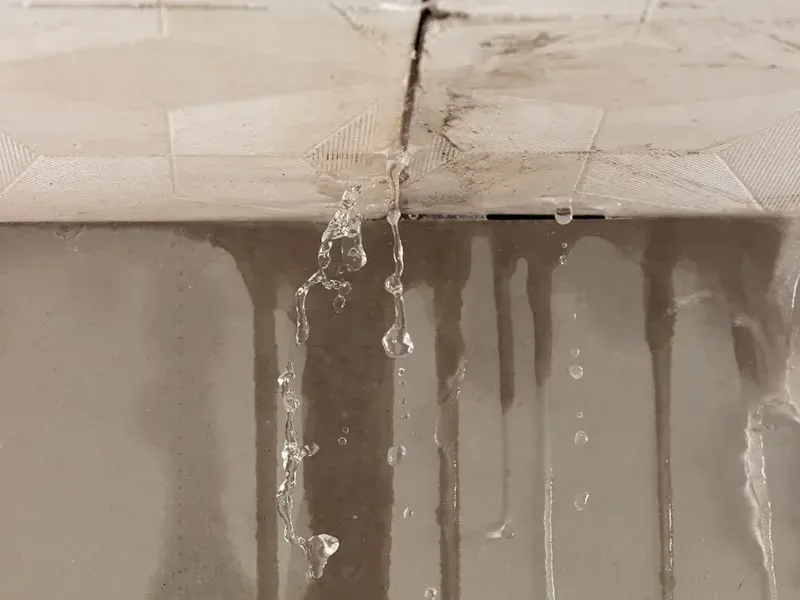
First steps for ceiling leak cleanup
- 1Look at the stain. Note whether it is brown, spreading or dripping, and whether it changes when it rains or an upstairs fixture runs.
- 2Catch the water. Place a bucket below, move furniture away and release trapped water from a bulge by piercing it near the edge.
- 3Cut the power. Turn off the breaker for a light or fan in the wet ceiling, because water and wiring do not mix.
- 4Document and call. Photograph the stain from two angles and describe the possible source when you call the restoration team.
How ceiling leak cleanup gets handled here
Two dry-outs can look the same on the first afternoon. The readings, the order of the work and the paper trail are what set a complete one apart.
Around-the-clock dispatch
A ceiling can start sagging at midnight, and the drying crew works nights, weekends and holidays when it does.
IICRC S500 drying standard
Drywall, joists and insulation are measured separately, and S500 drying keeps running until each reads dry, not just the visible ceiling.
Claim ready documentation
The stain, the source and the daily readings are photographed and logged, so an adjuster can see how the water moved.
Source tracing know-how
Roof leaks, attic units and upstairs fixtures leave different stain patterns, so the crew traces the origin before cutting.
What does ceiling leak cleanup cost in Dacula, GA?
A small stain on firm drywall costs $800 to $1,800, removing a ceiling section runs $1,800 to $4,500, and water that reached walls and the floor below can pass $9,000.
Four things move the number: the water category, how many square feet got wet, the material class and how soon drying began. The water damage cost calculator gives a planning range, and the firm figure comes after the walkthrough.
Small stain, firm drywall
$800 to $1,800- Readings above and below
- Cavity drying
- Daily logs
Ceiling section removed
$1,800 to $4,500- Wet drywall cut out
- Joist cavity dried
- Insulation pulled if present
Ceiling, walls and floor below
$4,500 to $9,000+- Several rooms dried
- Flooring checked or lifted
- Extended monitoring
From first reading to dry: ceiling leak cleanup
- 1
Trace the source
Meters, a thermal camera and a look in the attic or upstairs bathroom show where the water entered.
- 2
Open the ceiling
Wet or sagging drywall is cut back to dry edges so the joist cavity can be seen and aired.
- 3
Pull wet insulation
Insulation that has soaked is bagged and dry insulation nearby is left alone.
- 4
Dry and verify
Air movers and a dehumidifier run until framing and drywall edges read the same as dry areas.
A wet ceiling is the visible end of a longer path. Water runs along framing before it drops, and it also follows pipes and wiring through holes in the framing, so the stain may sit far from the leak. Fixing the stain without tracing the source only invites a second one a few weeks later.
Where ceiling water comes from
- A roof leak that soaked the attic first
- An air handler pan or condensate drain
- A bathroom or kitchen fixture on the floor above
- A supply pipe that split inside the ceiling
- A leaking appliance upstairs
- A plumbing vent or exhaust duct that sweats
What the opening looks like
Not every stained ceiling comes down. If the drywall is firm and the reading is low, a small cut lets air in and the cavity dries in place. If the board is sagging, soft or blistered, it comes out in sections, wet insulation is bagged and the framing is dried before anyone closes it back up. Readings taken from above and below the ceiling confirm the cavity is dry. The owner or a drywall crew handles the patch and paint afterward.
Ceiling stain growing? Describe it to the restoration team.
Talk to dispatch about ceiling leak cleanup: (888) 532-4616Fixing the cause
Drying does not fix a leaking roof, a clogged drain or a failed fitting, so the source is handled by the right trade. Related drying work is covered under roof leak water damage, AC leak water damage and burst pipe cleanup, and the same equipment and readings apply to each. A dry ceiling under an active leak will stain again.
Covering Dacula, GA and the roads around it
The restoration team serves Dacula and the wider 30019 ZIP, including Hamilton Mill, across the east side of Gwinnett County, and handles emergencies day or night for homes, storefronts and small commercial spaces.
View the full service areaCeiling Leak Water Damage: what homeowners ask
Why is the ceiling stain brown?
Water picks up dust, insulation and wood tannins on its way down, which tints it brown. The color alone does not tell you how old the leak is or where it began.
Can I paint over the stain?
Painting hides the mark but not the moisture. Paint over wet drywall bubbles and peels, so the ceiling should be dried and read before any patch or primer goes on.
Is a sagging ceiling dangerous?
It can be. Wet drywall is heavy and may fall, so keep people out from under it and call early so the section can be taken down safely.
How do you find a hidden source?
A thermal camera and a moisture meter trace the wet path, and a look in the attic or the room above often shows where the water entered the ceiling.
Will insurance cover a ceiling leak?
Coverage depends on the cause and the policy, and sudden failures are treated differently from slow seepage, so your insurer decides. Keep photos and readings.
How long does a ceiling take to dry?
Three to four days is common once it is opened, and the drying time estimator offers a rough range for larger areas.
A stained ceiling keeps soaking the cavity above it until the source is found
Describe the stain and what is above it, and the team will plan the trace, the opening and the drying.