Water Heater Leak Cleanup in Dacula, GA
When a tank splits or a fitting fails, a full tank of water can reach carpet, drywall and subfloor fast. The extraction crew removes it, dries the wall base and floor, and checks the room beside the heater and any ceiling below.
(888) 532-4616Tell the team where the heater sits- Garage and closet leaks
- Attic installs checked
- Wall bases dried
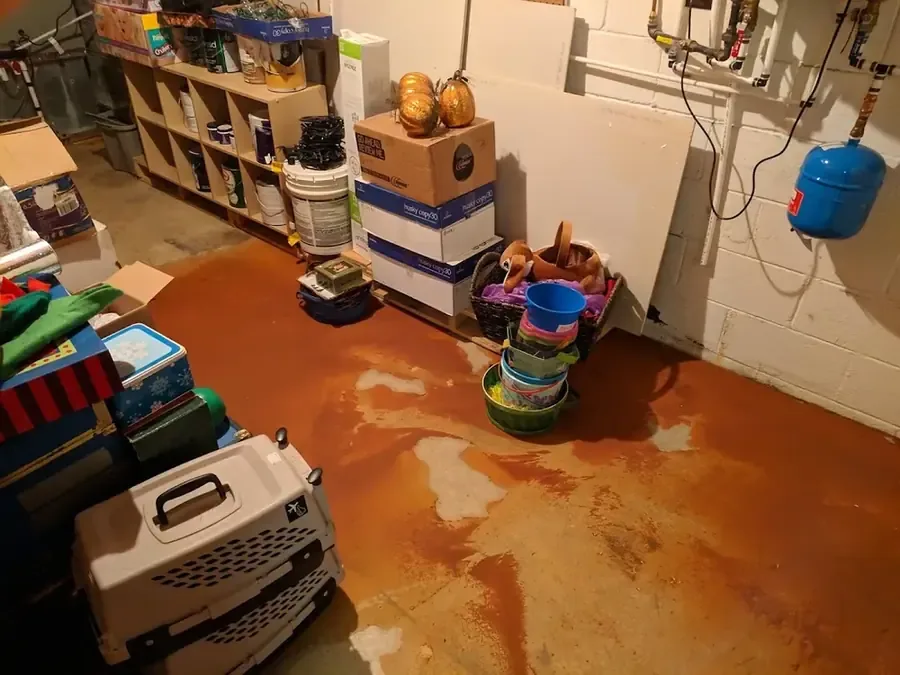
First steps for water heater leak cleanup
- 1Cut the supply. Close the cold water valve above the heater and switch off power or gas at the unit so nothing runs while it leaks.
- 2Drain what remains. Run a hose from the drain valve to a floor drain or outside if the tank is still full and the floor is soaked.
- 3Protect belongings. Lift boxes, stored items and nearby furniture off wet floors, and check the wall behind the heater.
- 4Book the cleanup. Call the restoration team and a plumber, since one handles the water and the other replaces the tank.
How water heater leak cleanup gets handled here
Two dry-outs can look the same on the first afternoon. The readings, the order of the work and the paper trail are what set a complete one apart.
Around-the-clock dispatch
Tanks give out at any time of day, so the extraction crew is on call for early morning floods and holiday leaks.
IICRC S500 drying standard
Drywall bottoms, plates and subfloor are dried until readings match reference points, rather than until the carpet feels dry.
Claim ready documentation
Photos of the tank, the fitting and the wet area, with daily readings, give the adjuster a full record of the failure.
Owner repair know-how
Gwinnett Water Resources says most tap water problems start in home plumbing, so a failing tank or fitting inside the home is the owner's repair.
What does water heater leak cleanup cost in Dacula, GA?
A garage heater leak on a slab often costs $1,000 to $2,000, an interior closet leak runs $2,000 to $5,000, and an attic install that wets the ceiling below can reach $10,000.
Four things move the number: the water category, how many square feet got wet, the material class and how soon drying began. The water damage cost calculator gives a planning range, and the firm figure comes after the walkthrough.
Garage on a concrete slab
$1,000 to $2,000- Standing water extracted
- Drywall base checked
- Slab and wall drying
Interior closet
$2,000 to $5,000- Carpet and pad nearby
- Baseboards off
- Subfloor and wall drying
Attic install
$5,000 to $10,000+- Ceiling drywall cut out
- Insulation pulled
- Drying on the floor below
From first reading to dry: water heater leak cleanup
- 1
Isolate the source
The tank is shut off and drained, and a plumber confirms whether the tank or a fitting failed.
- 2
Extract and read
Pumps and wands clear the floor, then meters check walls, flooring and any ceiling below.
- 3
Open wet areas
Drywall bottoms, wet insulation and soaked carpet or pad are removed where they cannot dry.
- 4
Dry and document
Equipment runs until readings are dry, and the final numbers join the photos in the claim file.
A water heater holds dozens of gallons, and a split tank can release most of that in one go. Garage floors tend to carry it away, but a closet or attic install sends it into carpet, drywall and ceilings, so the first look is at where the heater sits.
Where the heater sits matters
- Garage on a slab: water spreads and drywall bases wick
- Interior closet: carpet and pad in nearby rooms
- Attic: wet insulation and a stained ceiling below
- Laundry room: cabinets and flooring beside the tank
- Utility room: wall bottoms and baseboards
- Any location: a leaking relief valve or fitting
Cleanup and who fixes what
A failed tank or fitting is a plumbing repair inside the home, so the owner arranges a plumber. Gwinnett Water Resources notes that most tap water problems start in home plumbing rather than at the public system, which is why the first call for the heater itself goes to a plumber. The restoration team handles extraction, opening wet walls and drying, and keeps photos and readings for the claim.
Water heater leaking? Describe where it sits and what got wet.
Talk to dispatch about water heater leak cleanup: (888) 532-4616Drying after a tank failure
Heater floods are clean water when they begin, so carpet and pad can sometimes be saved if drying starts early. Wall bases, plates and subfloor still need readings, because water travels under baseboards and into the next room. The drying time estimator offers a first idea of days, and appliance leak cleanup covers similar floor and cabinet work.
Covering Dacula, GA and the roads around it
The restoration team serves Dacula and the wider 30019 ZIP, including Hamilton Mill, across the east side of Gwinnett County, and handles emergencies day or night for homes, storefronts and small commercial spaces.
View the full service areaWater Heater Leak Cleanup: what homeowners ask
Who repairs the water heater?
A plumber replaces the tank or fitting. The restoration team extracts the water and dries the affected floor, walls and ceiling, and the two jobs can overlap.
Is the water from a heater clean?
Usually it starts as Category 1, so carpet and pad can sometimes be saved, though water that sits or picks up dirt can change category. Readings on pad and baseboard confirm that.
What if the heater is in the attic?
Water soaks insulation and drops into the ceiling below, so the ceiling is checked and often opened. Dry insulation above is separated from wet.
Do I need to drain the tank?
If it is leaking and still full, draining through the valve limits more water, and a plumber should confirm the tank is safe to leave. Pointing the hose at a drain or outside keeps the floor out of it.
Will insurance pay for the damage?
A sudden tank failure is often treated differently from long term seepage, so ask your insurer, and keep the failed part, photos and readings.
How long does drying take after a leak?
Garage jobs on slabs can finish in a few days, while closets and attics with carpet or ceilings usually take three to five days. The estimator gives a rough range once the wet area is known.
Water from a failed tank keeps spreading until the floor and walls are dry
Say where the heater sits and what got wet, and the restoration team will plan extraction and drying around it.