Storm and Flash Flood Cleanup in Monroe, GA
Floodwater from outside is treated as contaminated, so the crew removes the mud and water, protects the clean rooms, treats what stays and dries the framing after heavy rain or runoff reaches a garage or low room.
(888) 532-4616Describe the flooded area- Mud and water removal
- Antimicrobial treatment
- Porous materials removed
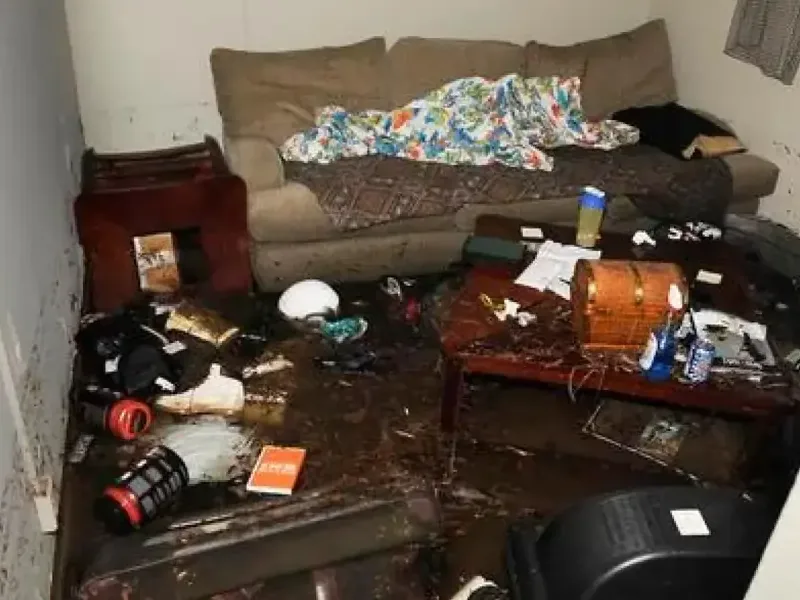
First steps for storm flood cleanup
- 1Make it safe. Power to flooded areas is off, and the crew wears boots, gloves and respirators before anyone enters standing water.
- 2Remove water and mud. Pumps and extraction units clear the water, then shovels and wet vacuums take the silt and debris.
- 3Cut and discard. Carpet, pad, insulation and drywall that touched floodwater are cut out, because they cannot be cleaned safely.
- 4Clean, treat, dry. Framing is cleaned and treated with an antimicrobial, then air movers and dehumidifiers dry it to readings.
How storm flood cleanup gets handled here
Two dry-outs can look the same on the first afternoon. The readings, the order of the work and the paper trail are what set a complete one apart.
Around-the-clock dispatch
Heavy rain does not wait for daylight, so dispatch for the response team keeps running through storms, nights and holidays.
IICRC S500 drying standard
After the cleaning, framing and slabs are dried to S500 targets, and the readings are logged until they match dry material.
Claim-ready records
Dated photos, the list of removed materials and the moisture log help an adjuster separate flood-related losses from other damage.
Local water know-how
The city is building a GIS map of every stormwater system and structure, and the crew keeps its own record of where the water came in and what it touched.
What does storm flood cleanup cost in Monroe, GA?
Storm flood cleanup runs $3,000 to $5,000 for a garage or one low room, $5,000 to $12,000 for several rooms under a foot of water and $12,000 to $30,000+ for deep flooding.
Four things move the number: the water category, how many square feet got wet, the material class and how soon drying began. The water damage cost calculator gives a planning range, and the firm figure comes after the walkthrough.
Garage or one low room
$3,000 to $5,000- Mud and water cleared
- Antimicrobial applied
- Drying equipment set
Several rooms, under a foot
$5,000 to $12,000- Lower walls cut out
- Flooring and pad removed
- HEPA air scrubbing
Deep or whole floor flooding
$12,000 to $30,000+- Porous materials removed
- Framing cleaned and treated
- Extended drying
From first reading to dry: storm flood cleanup
- 1
Secure the area
Power is off, the crew is suited up and the clean rooms are protected with barriers.
- 2
Clear the water
Pumps and wet vacuums remove water, mud and debris from floors and low areas.
- 3
Cut and clean
Porous materials come out, and surfaces and framing that stay are cleaned and treated.
- 4
Dry and verify
Equipment dries what is left, and readings confirm the framing matches a dry reference.
Water that comes in from outside carries soil, bacteria and whatever it crossed on the way, so it is treated differently from a pipe leak. The crew's first job is to decide what can be cleaned and what has to be thrown out.
What a flood cleanup includes
- Pumping and extraction of standing water
- Shoveling and vacuuming mud and debris
- Removal of wet carpet, pad and drywall
- Antimicrobial treatment of what stays
- HEPA air scrubbing in affected rooms
- Photo and material logs for the claim
Rain, runoff and creeks
The Alcovy River and the John T. Briscoe Reservoir supply the city's water, Jack's Creek takes its treated wastewater, and Beaverdam Creek near town is a state water quality monitoring site. Heavy rain is what sends runoff toward low garages and rooms, and Piedmont red clay soil sheds water instead of soaking it up. Floodwater is judged by its source and what it crossed, not by how clean it looks.
Water or mud inside after a storm? Describe it to the response team.
Talk to dispatch about storm flood cleanup: (888) 532-4616What gets removed and what gets saved
Anything porous that sat in floodwater, such as carpet, pad, insulation and drywall, is usually removed. Solid framing, concrete and many hard surfaces are cleaned, treated and dried in place. If a drain or the sewer backed up with the rain, the sewage and septic backup cleanup steps apply, and the structural drying plan finishes the job. Mold can start within 24 to 48 hours.
Covering Monroe, GA and the roads around it
Dispatch covers the city and the rest of Walton County, from the historic downtown around the Walton County Courthouse to newer communities such as River Pointe and Belle Woode Estates, across ZIPs 30655 and 30656.
View the full service areaStorm and Flash Flood Cleanup: what homeowners ask
Is floodwater from outside safe to clean up alone?
Not usually. It can carry bacteria and chemicals, so gloves, boots and respirators matter, and the crew handles it as Category 3 water with containment and a clear plan for what leaves the building.
What gets thrown away after a flood?
Carpet, pad, insulation, drywall and other porous materials that sat in floodwater are normally removed, while framing and concrete are cleaned, treated and dried, and the list is kept for the claim.
Does a garage need the same cleanup as a living room?
The steps are similar, but a garage slab dries faster and has fewer porous materials, so the work often costs less than a flooded living area, though the water type still matters.
Is flood damage covered by homeowners insurance?
Coverage varies by policy, and flood from outside is often excluded from standard homeowners policies, so check for separate flood coverage and keep photos and the material list either way.
How soon should drying start after a flood?
As soon as the water and mud are out. Mold can start within 24 to 48 hours, and wet framing keeps releasing moisture until equipment pulls it out of the building.
How long does flood drying take?
Several days is typical, and deeper flooding takes longer. The drying time estimator shows how depth, materials and humidity change the schedule for a given building.
Storm water in a Monroe garage or room needs a safe cleanup
Describe how the water got in and what it touched, and the cleanup and drying plan is built from that.