Sewage and Septic Backup Cleanup in Monroe, GA
Sewage is a health hazard whatever caused it, so the crew suits up, contains the area, removes what the water touched and cleans and treats the rest before any drying equipment is allowed to circulate air.
(888) 532-4616Monroe backup help- Containment and PPE
- Porous materials removed
- Antimicrobial treatment
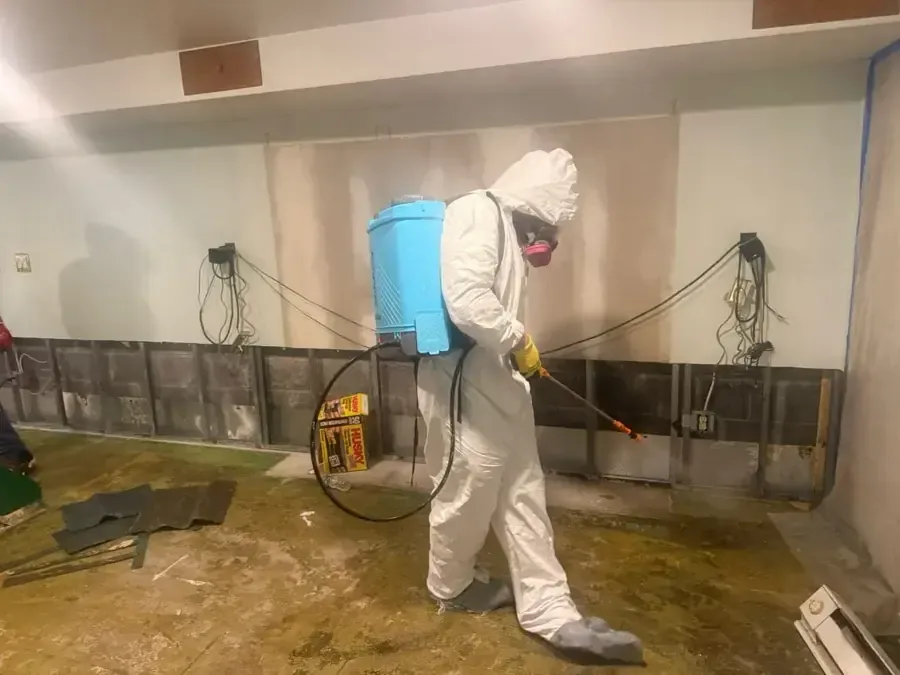
First steps for sewage backup cleanup
- 1Treat it as hazardous. Everyone stays out, the area is isolated and the crew enters in protective gear with air filtration running.
- 2Remove and bag. Contaminated carpet, pad, drywall and insulation are cut out and bagged, while solid surfaces are kept for cleaning.
- 3Clean and treat. Remaining surfaces and framing are washed, then a disinfectant rated for sewage contact is applied.
- 4Dry and clear. HEPA air scrubbing runs while the area dries, and readings confirm it before the containment comes down.
How sewage backup cleanup gets handled here
Two dry-outs can look the same on the first afternoon. The readings, the order of the work and the paper trail are what set a complete one apart.
Around-the-clock dispatch
A backup does not wait for business hours, so dispatch for the response team runs day and night, including weekends.
IICRC S500 drying standard
After cleaning, drying follows S500 practice for Category 3 water, with readings logged until framing and floors match a dry reference.
Claim-ready records
Photos, a list of removed materials and the cleaning steps give the insurer and the property owner a clear account of the loss.
Local utility know-how
The city sewer system includes 8 lift stations feeding the Jack's Creek Wastewater Treatment Plant, so the first question is whether the problem is inside the home or beyond it.
What does sewage backup cleanup cost in Monroe, GA?
Sewage cleanup runs $2,500 to $4,500 for a small backup on a hard floor, $4,500 to $10,000 for carpet or a crawl space and $10,000 to $20,000+ for large or repeat backups.
Four things move the number: the water category, how many square feet got wet, the material class and how soon drying began. The water damage cost calculator gives a planning range, and the firm figure comes after the walkthrough.
Small backup, hard floor
$2,500 to $4,500- Containment and gear
- Contaminated material out
- Disinfectant applied
Carpeted rooms or a crawl space
$4,500 to $10,000- Carpet, pad and drywall removed
- HEPA air scrubbing
- Drying with readings
Large or repeat backup
$10,000 to $20,000+- Many rooms involved
- Framing washed and treated
- Long drying run
From first reading to dry: sewage backup cleanup
- 1
Isolate the area
Plastic barriers and filtered air keep contamination from reaching the clean rooms or the rest of the home.
- 2
Remove and bag
Porous materials that touched sewage leave the building in sealed bags, and the list is kept for the file.
- 3
Clean and treat
Surfaces and framing are washed, disinfected and checked before any drying equipment is started.
- 4
Dry and release
HEPA scrubbing and drying equipment run until readings pass, then the containment is taken down.
Sewage carries bacteria and viruses, so a backup is never a simple spill. Whether it comes from a toilet, a floor drain or a septic problem, the goal is the same: contain it, remove what it touched and leave nothing contaminated behind.
What the backup cleanup involves
- Area isolated with plastic barriers
- Crew in respirators, gloves and coveralls
- Contaminated carpet, pad and drywall removed
- Surfaces washed and disinfected
- HEPA air scrubbing during the work
- Photos and a material list kept for the claim
Why sewage is handled differently
A backup can start inside a home or farther along the sewer, and either way the water is treated as Category 3. That means protective gear, containment and removal of porous materials. Carpet and pad are not saved, and drywall that wicked sewage comes out as well, because bacteria stay in porous materials after the surface looks clean. The crew does not rely on appearance or smell to decide what is safe to keep.
Sewage in the home? Keep everyone out and tell the response team.
Talk to dispatch about sewage backup cleanup: (888) 532-4616Crawl spaces, floors and repeat backups
A backup that reaches a crawl space contaminates framing and insulation, and the crawl space water damage steps add cleaning of the joists. Repeat backups point to a problem with the drain or the sewer that a plumber should find, and heavy rain can overload systems, which brings in storm and flash flood cleanup. Mold can start within 24 to 48 hours.
Covering Monroe, GA and the roads around it
Dispatch covers the city and the rest of Walton County, from the historic downtown around the Walton County Courthouse to newer communities such as River Pointe and Belle Woode Estates, across ZIPs 30655 and 30656.
View the full service areaSewage and Septic Backup Cleanup: what homeowners ask
Is sewage backup safe to clean up alone?
No. Sewage carries bacteria and viruses, and the cleanup needs respirators, protective clothing and containment, so everyone should stay clear of the area until the crew takes over.
Can carpet be saved after a sewage backup?
No. Carpet and pad that touched sewage are removed because bacteria stay in the fibers and the pad even after the surface looks clean, and a deodorizer does not change that.
What causes a sewage backup in a home?
Common causes are a clogged drain, roots or damage in a pipe, a municipal problem or heavy rain overloading the system, and a plumber finds which one applies to the home.
Who pays for sewage cleanup?
Policies differ, and sewer backup coverage is often a separate endorsement, so check the policy early and keep photos, the material list and the cleaning log together.
Does a septic backup need the same cleanup?
The cleanup steps are the same, since the water is Category 3, and a septic professional handles the tank while the restoration team handles the building and the drying.
How long until the home is usable again?
Cleaning and clearance come first, then drying takes several days, and the drying time estimator helps plan the rest of the schedule around the family.
Sewage in a Monroe home needs a contained, careful cleanup
Describe the backup to the response team and keep everyone out while the containment plan is made.