Structural Drying in Monroe, GA
Drying is where a water loss is won or lost, so the crew sets air movers and dehumidifiers to the materials in the building, whether that is brick, old plaster, hardwood or new drywall, and measures progress every visit.
(888) 532-4616Describe the wet materials- LGR dehumidifiers
- Hardwood drying mats
- Daily psychrometric logs
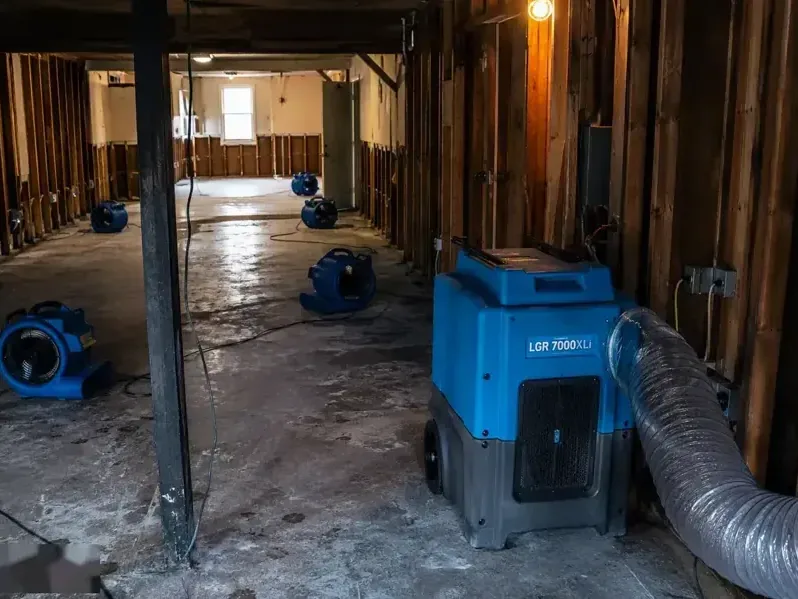
First steps for structural drying
- 1Classify the loss. The class of water damage, from a small area to deep, dense materials, sets how much drying capacity the job needs.
- 2Size the equipment. Cubic feet, material types and humidity decide how many air movers and what dehumidifier capacity the building gets.
- 3Measure each visit. Moisture meters and temperature and humidity readings are logged at the same points every visit to show real progress.
- 4Adjust and release. Equipment is moved or added as readings change, and it leaves only when each material matches a dry reference.
How structural drying gets handled here
Two dry-outs can look the same on the first afternoon. The readings, the order of the work and the paper trail are what set a complete one apart.
Around-the-clock dispatch
Drying cannot pause for a holiday, so dispatch for the drying crew and equipment runs day and night.
IICRC S500 drying standard
S500 sets the method: classify the loss, size the equipment from the building and keep psychrometric logs until materials are dry.
Claim-ready records
Equipment counts, daily readings and dated photos show the insurer that drying lasted as long as the materials required.
Local building know-how
Monroe's building stock spans mill-era brick to new construction, so equipment is chosen after the walkthrough, never by a standard package.
What does structural drying cost in Monroe, GA?
Structural drying runs $1,200 to $2,500 for one or two rooms, $2,500 to $5,000 for several rooms or hardwood and $5,000 to $10,000+ for Class 4 dense materials.
Four things move the number: the water category, how many square feet got wet, the material class and how soon drying began. The water damage cost calculator gives a planning range, and the firm figure comes after the walkthrough.
One or two rooms
$1,200 to $2,500- LGR unit and air movers
- Daily meter checks
- A few days of drying
Several rooms or hardwood
$2,500 to $5,000- Hardwood drying mats
- Added dehumidifier capacity
- Psychrometric logs kept
Class 4, dense materials
$5,000 to $10,000+- Desiccant dehumidifiers
- Plaster and concrete drying
- Long-term monitoring
From first reading to dry: structural drying
- 1
Assess the building
Meters and a thermal camera map wet materials, and the class of the loss is set before equipment is chosen.
- 2
Place equipment
Air movers and dehumidifiers go in by cubic volume and by the materials present in each room.
- 3
Monitor daily
Readings at fixed points show which areas lag, and equipment is moved to match what the numbers say.
- 4
Verify dry
Each material is compared with a dry reference before equipment is removed from the building.
Removing the water is only half of a loss. Materials keep holding moisture long after the surface feels dry, and structural drying is the controlled process that pulls it out of framing, floors and walls without cracking or cupping them.
How the drying is controlled
- Moisture mapped with meters and a thermal camera
- LGR dehumidifiers sized to the space
- Air movers aimed at wet surfaces
- Drying mats on hardwood and subfloor
- Containment where dust or spores could spread
- Readings logged at the same points daily
Mills, plaster and older homes
Monroe has nine historic districts and brick mill buildings that now hold antique markets and event space, and about 7.1 percent of homes date to 1939 or earlier. Old plaster, thick masonry and heart pine hold water differently from new drywall, and forcing them dry too fast can crack or cup them. The plan is paced to the material, with readings checked more often.
Wet materials that will not dry? Tell the response team what they are.
Talk to dispatch about structural drying: (888) 532-4616When drying runs long
Hardwood, plaster and concrete are slow to give up water, so a job with those materials can run longer than a carpeted room. Class 4 losses may need desiccant dehumidifiers. The drying time estimator gives a planning range, and the water extraction steps come first when water is still standing. Drying ends when readings match a dry reference, not when the room feels dry. Mold can start within 24 to 48 hours, so equipment goes in quickly.
Covering Monroe, GA and the roads around it
Dispatch covers the city and the rest of Walton County, from the historic downtown around the Walton County Courthouse to newer communities such as River Pointe and Belle Woode Estates, across ZIPs 30655 and 30656.
View the full service areaStructural Drying and Dehumidification: what homeowners ask
What is the difference between extraction and drying?
Extraction removes standing and soaked water. Structural drying removes the moisture still held in framing, floors and walls, using air movement and dehumidification over several days.
Why are dehumidifiers needed along with fans?
Fans move moisture off surfaces into the air, and an LGR dehumidifier removes it from the air, so the two together dry far faster than either alone, especially in humid weather.
Can hardwood floors be dried in place?
Often yes with drying mats and controlled airflow when water is caught early, but cupped or buckled boards are replaced after readings show they will not recover on their own.
How does the crew know when drying is finished?
Readings in the wet materials are compared with unaffected material in the same building, and equipment leaves only when the two match, not when the room feels dry.
Do historic buildings need a different drying plan?
Usually. Plaster, thick masonry and old pine release moisture slowly, so the equipment is set more gently and readings are checked more often to avoid cracking or cupping.
Does drying run up the power bill?
Equipment does draw power, and the daily log helps keep the run no longer than the materials need, which can matter to the adjuster reviewing the claim file.
Wet materials in a Monroe building need measured drying, not guesses
Describe the materials that got wet and the equipment plan and the first readings are set from there.