Water Extraction in Monroe, GA
Standing water in an older home or a shared building does not stay put, so the extraction crew pulls it out first, checks what the pad and walls absorbed, then hands the job to the drying team with a written moisture map.
(888) 532-4616Describe the spill to the crew- Truck-mounted pumping
- Pad and carpet removal
- Moisture map after extraction
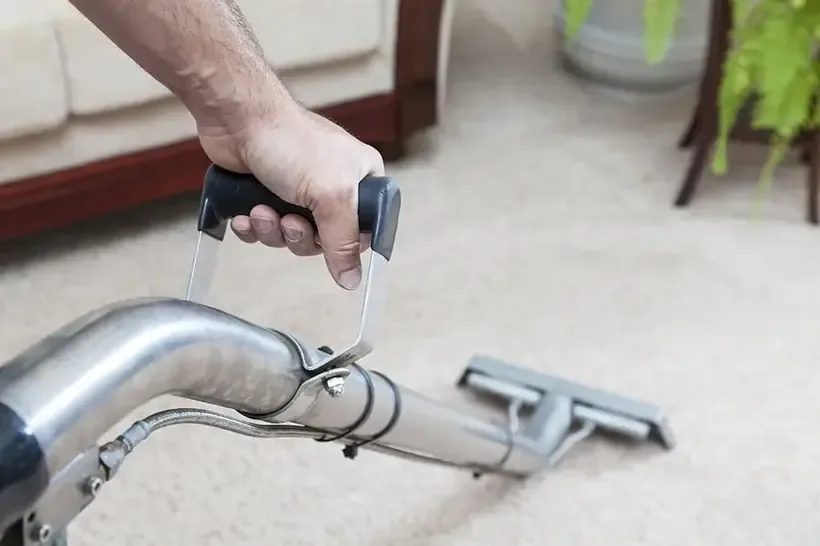
First steps for water extraction
- 1Stop the source. Closing the valve or the main keeps the volume from growing, and the tech notes where the water entered and how far it traveled.
- 2Pump and wand. A truck-mounted unit pulls standing water first, then wands work across carpet and hard floors to lift what is left.
- 3Pull wet pad. Saturated pad, swollen baseboard and soaked insulation come out, since they hold water against framing and subfloor.
- 4Hand off to drying. Meters check walls and floors after extraction, and the readings set the equipment plan for the days ahead.
How water extraction gets handled here
Two dry-outs can look the same on the first afternoon. The readings, the order of the work and the paper trail are what set a complete one apart.
Around-the-clock dispatch
Water keeps spreading overnight and on weekends, so dispatch for the extraction crew runs day and night.
IICRC S500 drying standard
After extraction, drying follows the S500 standard: target moisture levels are set from dry reference materials and checked on every visit.
Claim-ready records
Photos, moisture readings and equipment logs are kept from the first visit, so an adjuster can review the loss without guesswork.
Local housing know-how
Renters hold most occupied homes in Monroe and about 55 percent of homes predate 1980, so extractions often involve older floors and shared buildings.
What does water extraction cost in Monroe, GA?
Extraction in a single room caught early usually runs $1,200 to $3,500, and the figure climbs when several rooms, a crawl space or contaminated water are involved. Readings on site set the final scope.
Four things move the number: the water category, how many square feet got wet, the material class and how soon drying began. The water damage cost calculator gives a planning range, and the firm figure comes after the walkthrough.
One room, caught early
$1,200 to $3,500- Pump-out and wand pass
- Wet pad removed
- Air movers and dehumidifier
Several rooms or a crawl space
$3,500 to $8,000- Room-by-room extraction
- Wicking walls cut open
- Daily readings logged
Whole floor or Category 3
$8,000 to $20,000+- Containment set up
- Porous materials removed
- Extended drying schedule
From first reading to dry: water extraction
- 1
Locate the water
A moisture meter and thermal camera show where water traveled beyond the visible stain.
- 2
Extract
Truck-mounted equipment removes the bulk of the water before wands finish the floor.
- 3
Remove and protect
Soaked pad and other materials that cannot dry in place go out, and surfaces that can stay are protected.
- 4
Verify and log
Final readings are written down, and the drying plan is built from them.
A water loss here often lands in an older home, a rental or a unit that shares walls, which means the water can travel further than the stain suggests. The extraction crew starts by removing it, then maps what remains with a meter and a thermal camera.
What the extraction visit covers
- Truck-mounted pump-out of standing water
- Wand passes over carpet, pad and hard floors
- Removal of saturated pad and swollen trim
- Thermal and moisture-meter mapping of walls
- Protection for furniture and dry rooms
- A written record of every reading
Why older buildings need a closer look
Brick mill buildings and nine historic districts add materials that hold water differently from modern drywall. Plaster, old subfloors and layered flooring can look dry on top while staying wet underneath, so the tech checks them with a meter instead of trusting the surface. Where buildings share a wall or a ceiling, the neighboring unit's side is checked as well, with the occupant's permission.
Tell the response team what happened and get a plan matched to the building.
Talk to dispatch about water extraction: (888) 532-4616After the water is out
Extraction is the first step, not the last. Once the bulk of the water is gone, the crew sets air movers and a dehumidifier, and the structural drying plan takes over until the readings match dry reference material. Mold can start within 24 to 48 hours, which is why the handoff happens in the same visit.
Covering Monroe, GA and the roads around it
Dispatch covers the city and the rest of Walton County, from the historic downtown around the Walton County Courthouse to newer communities such as River Pointe and Belle Woode Estates, across ZIPs 30655 and 30656.
View the full service areaWater Extraction and Removal: what homeowners ask
How is water extracted from a carpeted room?
A truck-mounted unit with a hose and wand pulls water up through the carpet and pad, and the pad is often removed when it is too saturated to dry in place.
Can wet carpet be saved after extraction?
Often yes if the water was clean and extraction began quickly, but carpet that sat in gray or black water is usually replaced, and the pad rarely survives.
Does extraction include drying?
Extraction removes the bulk of the water, but the materials still hold moisture, so a drying plan with air movers and a dehumidifier follows it.
What if the water came from a neighbor's unit?
The response team documents the water in the affected unit, notes the likely source, and keeps records the landlords and insurers on each side can use.
Is extraction needed for a small spill?
A spill that sits on a hard floor and is wiped up quickly may not need it, but water under flooring, trim or carpet pad usually does, because it keeps spreading unseen.
Who removes water from a shop or office?
The same crew handles commercial extraction, with work planned around business hours where possible, and larger losses follow the commercial water damage process.
Get standing water out before it reaches the framing
Describe the loss to the response team and the extraction crew will set the first steps.