Water Extraction in Jefferson, GA
Standing water in a house keeps soaking carpet, pad and baseboards until it is pulled out. The extraction crew brings truck-mounted equipment to Jefferson homes and small businesses, then hands off to drying with readings logged for the claim.
(888) 532-4616Get the water out of the floors- Truck-mounted extraction
- Pad and carpet decisions
- Moisture mapped first
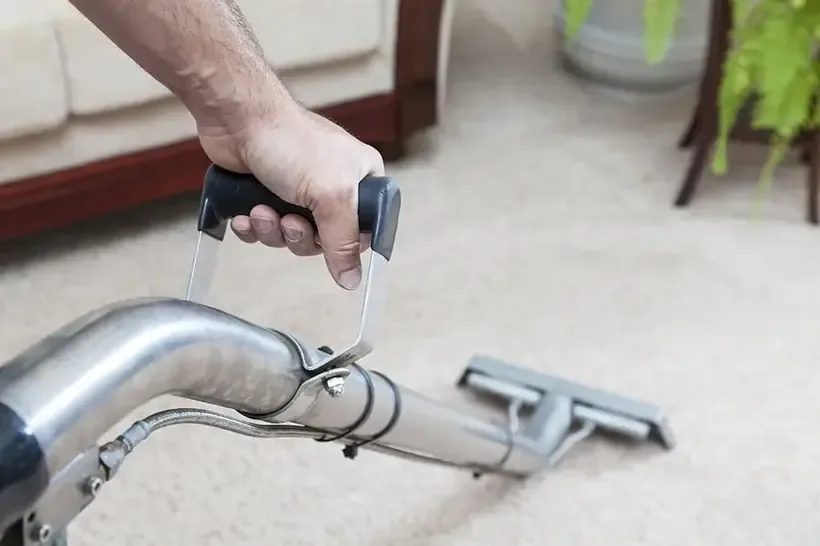
First steps for water extraction
- 1Pull the water. The wand works carpet and pad in overlapping passes, and hard floors get a squeegee head that leaves little moisture behind.
- 2Check the pad. Pad that sat under water for a day is cut out, because it holds moisture long after the carpet feels dry.
- 3Map what is wet. A moisture meter and thermal camera follow the water into wall bases, toe kicks and subfloor so drying targets wet spots.
- 4Hand off to drying. With standing water gone, air movers and dehumidifiers take over, and readings are logged daily until the dry goal is met.
How water extraction gets handled here
Two dry-outs can look the same on the first afternoon. The readings, the order of the work and the paper trail are what set a complete one apart.
Round the clock dispatch
Water does not wait for business hours, so the extraction crew is on call every day, including holidays, and standing water gets pulled first.
The S500 standard
The IICRC S500 standard treats extraction as step one of a drying plan, with moisture targets that the readings must reach before equipment leaves.
Claim ready records
Photos before and after extraction, a list of removed materials and each day's readings give an adjuster the timeline without extra paperwork.
Local housing know-how
Jefferson issued 215 residential building permits in 2024, all for single family homes, so the crew plans for carpeted bedrooms, open kitchens and wood floors.
What does water extraction cost in Jefferson, GA?
Most water extraction jobs here run $1,200 to $20,000+, with the low end for one room caught early and the high end for a whole floor or Category 3 water.
Four things move the number: the water category, how many square feet got wet, the material class and how soon drying began. The water damage cost calculator gives a planning range, and the firm figure comes after the walkthrough.
Single room, caught early
$1,200 to $3,500- Carpet extracted
- Soaked pad pulled
- Fans plus dehumidifier
Several rooms or a crawl space
$3,500 to $8,000- Room by room extraction
- Wet wall bases cut
- Daily readings kept
Whole floor or Category 3
$8,000 to $20,000+- Containment set up
- Porous materials removed
- Longer drying period
From first reading to dry: water extraction
- 1
Survey the loss
Meters and a thermal camera mark every wet surface so the plan covers more than what shows.
- 2
Extract in passes
Carpet, pad and hard floors are worked room by room until the wand stops pulling water.
- 3
Remove what cannot dry
Saturated pad and soaked baseboards come out so the subfloor can breathe and dry.
- 4
Set the drying gear
Air movers and dehumidifiers go in, and readings are scheduled for each following day.
When water reaches carpet and pad, the first job is getting it out before it wicks into walls. Truck-mounted extraction pulls far more water than a shop vacuum, which is why it comes before any fan or dehumidifier goes in.
What the extraction crew does
- Pull standing water from carpet, pad and hard floors
- Cut out pad and baseboards that stayed saturated
- Scan walls, cabinets and subfloor for hidden moisture
- Photograph conditions before any materials are moved
- Place air movers and dehumidifiers once the water is out
- Log the first readings so the claim has a starting point
Houses and businesses here
Most calls start in single family houses, which fits a city that issued 215 residential building permits in 2024, all for single family homes. Subdivisions with Jefferson addresses, from Mallard's Landing to Hampton Ridge, bring carpeted bedrooms, wood floors and kitchen cabinets, so the crew checks what sits under every surface before deciding what to pull. Mallard's Landing offers both ranch and two-story plans, so water can stay on one level or travel through a ceiling to the room below.
Water on the floor right now? Call the extraction crew and describe what got wet.
Talk to dispatch about water extraction: (888) 532-4616After the water is out
Extraction removes liquid water, not the moisture already inside framing and subfloor. That is why the structural drying stage follows, and why the first readings are saved: they show the adjuster where the loss started. Sewage or creek water in the house is a different category and calls for sewage backup cleanup with containment instead of ordinary extraction.
Covering Jefferson, GA and the roads around it
Dispatch covers the city and the subdivisions with Jefferson addresses in central Jackson County, from the historic downtown to the industrial parks and commercial corridors, every day of the week, holidays included.
View the full service areaWater Extraction and Removal: what homeowners ask
Is truck-mounted extraction better than a wet vacuum?
For floors with real standing water, yes. The truck-mounted unit moves far more water and pulls moisture from carpet and pad that a shop vacuum leaves behind.
Does carpet always have to come out?
Not always. Clean water caught early often lets carpet dry in place, but the pad underneath is usually removed if it stayed wet for a day or the water was gray or black.
How soon should extraction start?
As soon as possible. Water spreads into wall bases and subfloor, and mold can start in 24 to 48 hours, so each extra day raises the cost and the amount of material to remove.
Can water be extracted from hardwood?
Yes, with a gentler tool and drying mats, but hardwood is slower to dry and needs extra days of monitoring because boards can cup.
What happens if the water came from a sewer backup?
That is Category 3 water, so the crew uses protective gear and containment, removes porous materials and sanitizes the area.
Will insurance cover the extraction?
Often, when the cause is sudden, such as a split pipe or a failed hose. Coverage depends on the policy, and the crew provides photos and logs for the adjuster.
Get the water out of the house before it reaches the walls
One crew handles extraction, the drying plan and the claim records, so nothing falls between steps.