Sewage and Septic Backup Cleanup in Jefferson, GA
Sewage in a house is a health hazard, not just a mess. The cleanup crew uses protective gear and containment, removes contaminated carpet, pad and drywall, treats the surfaces and dries the structure before anyone moves back in.
(888) 532-4616Report the sewage backup- Containment and protective gear
- Porous materials removed
- Antimicrobial and HEPA air
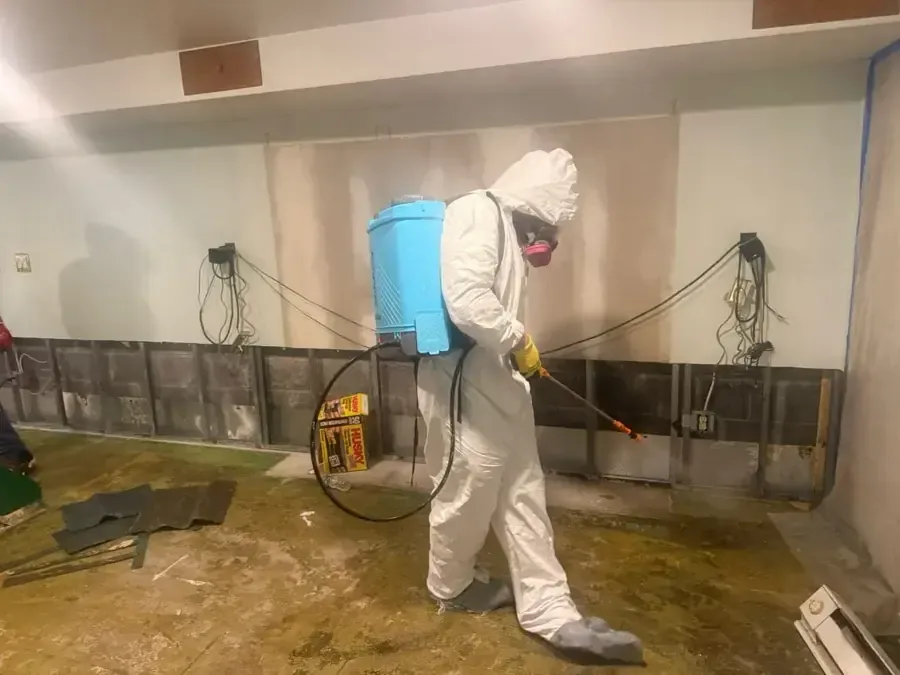
First steps for sewage backup cleanup
- 1Stay out and stop use. Keep everyone away from the water, stop using sinks, toilets and showers, and call before touching anything.
- 2Contain and extract. Plastic barriers isolate the area, and extraction removes the contaminated water under protective gear.
- 3Remove and treat. Carpet, pad and drywall that touched sewage are cut out and bagged, and hard surfaces get cleaned and treated.
- 4Dry and clear. HEPA air filtration and dehumidifiers run until readings and cleanliness checks show the space is ready for repair.
How sewage backup cleanup gets handled here
Two dry-outs can look the same on the first afternoon. The readings, the order of the work and the paper trail are what set a complete one apart.
Overnight response
A backup can come at any hour, so the response team works nights and holidays and brings containment materials on the first visit.
S500 and Category 3
The IICRC S500 standard classes sewage as Category 3, so the crew removes porous materials, cleans and treats what stays and verifies drying afterward.
Records for coverage
Photos, a list of removed materials and dated readings help an adjuster look over sewage claims, which often follow separate policy rules.
City sewer or septic
The city runs sewer service, and its building permit page says septic properties need Jackson County Environmental Health approval, so the source of a backup depends on the address.
What does sewage backup cleanup cost in Jefferson, GA?
Sewage backup cleanup typically costs $2,500 to $20,000+, from a small backup on a hard floor to a large or repeat backup that reached carpet, a crawl space or several rooms.
Four things move the number: the water category, how many square feet got wet, the material class and how soon drying began. The water damage cost calculator gives a planning range, and the firm figure comes after the walkthrough.
Small backup, hard floor
$2,500 to $4,500- Containment and gear
- Contaminated water removed
- Surfaces sanitized
Carpet or a crawl space
$4,500 to $10,000- Carpet, pad and drywall out
- HEPA air scrubbing
- Drying with readings
Large or repeat backup
$10,000 to $20,000+- Several rooms involved
- Framing cleaned and treated
- Extended drying
From first reading to dry: sewage backup cleanup
- 1
Contain the area
Barriers go up and HEPA air filtration starts before demolition so contamination stays put.
- 2
Extract and remove
Contaminated water, carpet, pad and wet drywall are removed and bagged for disposal.
- 3
Clean and treat
Hard surfaces and framing are cleaned and then treated with antimicrobial products.
- 4
Dry and check
Dehumidifiers run until readings reach dry goals and the area passes a cleanliness check.
A sewage backup carries bacteria and viruses, so it is handled differently from a pipe leak. Everything porous that the water touched is removed, and hard surfaces are cleaned and treated before drying starts.
What cleanup involves
- Protective suits, gloves and respirators for the crew
- Plastic containment around the affected rooms
- Extraction of contaminated water
- Carpet, pad and drywall removed and bagged
- Antimicrobial treatment of floors and framing
- Drying with a final readings log
City sewer, septic and the address
The City of Jefferson Public Utilities Department runs sewer service, and the city manager described a new water reclamation facility in 2024 to handle growth. Not every property is on that system, though. The city's building permit page says a property served by a septic tank needs prior approval from the Jackson County Environmental Health Department, so a backup may start in a sewer connection or a septic tank, depending on the address.
Sewage in the house? Keep everyone out and call the cleanup crew right now.
Talk to dispatch about sewage backup cleanup: (888) 532-4616Health, safety and repairs
Children and pets should stay out of the area, and nobody should run a household vacuum or wipe up sewage with bare hands. Wash hands thoroughly after any contact with the area, and keep food and dishes well away from it. Once the cleanup crew finishes, a plumber or septic professional repairs the source. Large floodwater events with sewage follow storm and flash flood cleanup, and wet crawl spaces follow crawl space water damage steps.
Covering Jefferson, GA and the roads around it
Dispatch covers the city and the subdivisions with Jefferson addresses in central Jackson County, from the historic downtown to the industrial parks and commercial corridors, every day of the week, holidays included.
View the full service areaSewage and Septic Backup Cleanup: what homeowners ask
Is sewage water dangerous to touch?
Yes. It carries bacteria and viruses, so skin contact and breathing the mist are risks. Keep people and pets away and let trained crews in protective gear handle it.
Why is carpet always removed after sewage?
Carpet and pad absorb contaminated water and cannot be sanitized reliably, so they are removed and replaced. Hard surfaces can usually be cleaned and treated.
How can a homeowner tell sewer from septic?
Several drains backing up at once often point to the main sewer drain, while soggy yard spots and odors may point to a septic tank. A plumber confirms the source.
Can the family stay in the house?
That depends on the area affected. A small hard floor backup may allow staying elsewhere in the house, but larger events mean leaving until cleaning and clearance are complete.
Does insurance cover sewage backup?
Many policies exclude it unless a backup endorsement was added, so the policy language matters. The restoration team documents everything for the adjuster either way.
How long does sewage cleanup take?
Removal and cleaning can fill the first visit, with drying continuing for a few days, and large or repeat backups take longer.
Will the smell go away after cleanup?
Yes, once contaminated materials are removed and the framing is treated and dried. A lingering odor means something is still wet or was missed.
Get sewage out of the house and the structure cleaned
The cleanup crew contains the area, removes contaminated materials and documents each step for the adjuster.