Water Heater Leak Cleanup in Jefferson, GA
A failing tank can release gallons across a garage floor, a utility closet or an attic ceiling. The drying team extracts the water, checks the drywall base and nearby rooms, and dries everything the leak touched.
(888) 532-4616Describe the tank leak- Garage, closet and attic installs
- Drywall base checked
- Floors and walls dried
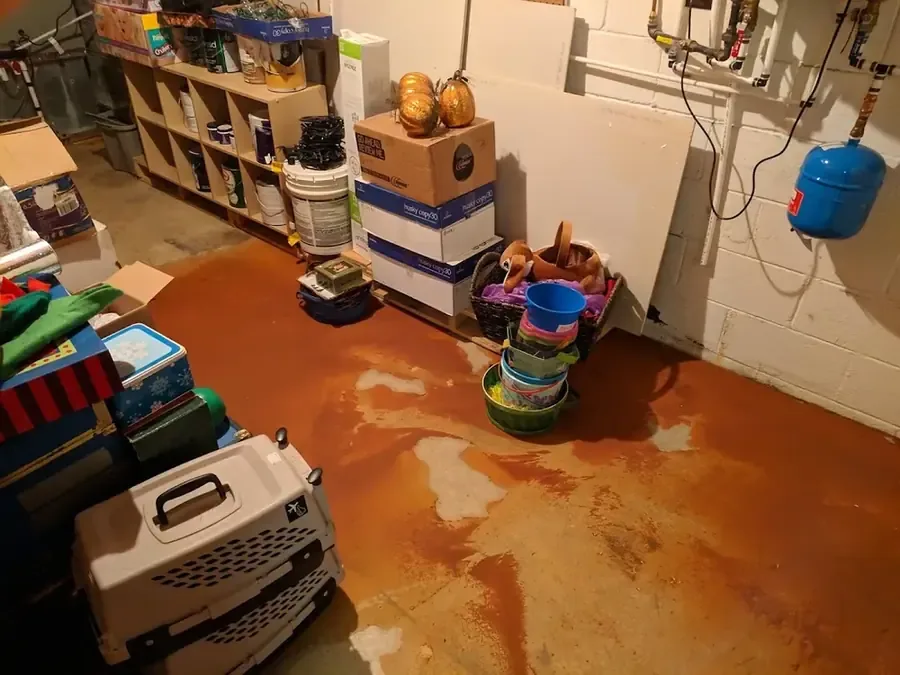
First steps for water heater leak cleanup
- 1Cut the supply. Close the cold water valve above the tank and turn off its power or gas if that is safe to reach.
- 2Extract the water. The extraction crew removes standing water from the floor and checks where it ran: under the tank, along walls and into nearby rooms.
- 3Open the wet spots. Baseboards and the bottom of the drywall come off where readings are high so wall cavities can dry.
- 4Dry and confirm. Fans and a dehumidifier run until floor and wall readings reach dry goals, and the numbers go into the claim file.
How water heater leak cleanup gets handled here
Two dry-outs can look the same on the first afternoon. The readings, the order of the work and the paper trail are what set a complete one apart.
Night and holiday visits
Tanks fail at all hours, so the response team schedules evening and holiday visits and starts with the area where the water is deepest.
S500 and materials
The IICRC S500 standard matches drying goals to each material, so drywall, framing, flooring and insulation near the tank are each read until they are dry.
Claim ready photos
Pictures of the tank, the data plate and the wet area, plus dated readings, help an adjuster tell a sudden failure from a slow drip.
Housing know-how
Single family houses are the usual call, so a tank leak involves one household, and the tank's spot in a garage, closet or attic sets how far the water travels.
What does water heater leak cleanup cost in Jefferson, GA?
Water heater leak jobs commonly cost $1,000 to $10,000+, with garage leaks at the low end and attic installs at the high end because the ceiling below gets wet.
Four things move the number: the water category, how many square feet got wet, the material class and how soon drying began. The water damage cost calculator gives a planning range, and the firm figure comes after the walkthrough.
Garage install, hard floor
$1,000 to $2,000- Water extracted
- Drywall base checked
- Floor and wall drying
Interior closet install
$2,000 to $5,000- Carpet and pad nearby
- Baseboards off
- Subfloor and wall drying
Attic install over a ceiling
$5,000 to $10,000+- Ceiling drywall removed
- Wet insulation pulled out
- Floor below dried
From first reading to dry: water heater leak cleanup
- 1
Shut off and look
The supply is closed and the tank, fittings and wet floor are photographed for the record.
- 2
Pull the water
Extraction wands clear the floor, and soaked pad, carpet or insulation is removed.
- 3
Open the base
Baseboards and low drywall come off where readings show water has wicked upward.
- 4
Dry and measure
Fans and a dehumidifier run until every material reads dry against its own reference.
Water heaters usually fail at the tank seam or a fitting, and the leak keeps going until someone closes the supply. Where the tank sits decides what gets wet, so the first walkthrough maps the floor, the walls and anything below.
What gets dried after a tank leak
- Standing water pulled from the floor around the tank
- Drywall base and baseboards checked for wicking
- Carpet and pad in rooms next to a closet install
- Attic insulation and ceiling drywall below an attic unit
- Subfloor read before any flooring is replaced
- Daily readings logged until dry goals are met
Garage, closet or attic
A garage tank spreads water across a hard floor and into the drywall base, which usually dries quickly. A closet tank sends water into nearby carpet and the walls around it. An attic tank is the costliest because the water has to pass through insulation and a ceiling before it shows. Newer subdivisions with Jefferson addresses, such as Reserve at Gum Springs and Red Bird Manor, include single family homes where any of those layouts can occur.
Tank leaking now? Call the drying team and say where the heater sits.
Talk to dispatch about water heater leak cleanup: (888) 532-4616Replace, repair and document
A plumber handles the tank or the fitting, and the drying team handles everything the water touched. Keep the failed part or a photo of it if possible, since an adjuster may ask what failed. The readings and photos then show how far the water spread. Large wet areas move on to structural drying, and small floods follow the water extraction steps.
Covering Jefferson, GA and the roads around it
Dispatch covers the city and the subdivisions with Jefferson addresses in central Jackson County, from the historic downtown to the industrial parks and commercial corridors, every day of the week, holidays included.
View the full service areaWater Heater Leak Cleanup: what homeowners ask
What should be done first when a water heater leaks?
Close the cold water valve on the tank and turn off the power or gas if it is safe to reach. Then call for extraction before the water wicks into the walls.
How far can water travel from a garage tank?
Across the whole floor and into the bottom of the drywall, and sometimes through a shared wall into the next room, so wall bases are checked.
Is an attic water heater leak worse?
Often yes, because the water soaks insulation and a ceiling before anyone sees it, so the ceiling below is opened and dried along with the attic floor.
Does the carpet near a closet tank come out?
If it stayed wet for more than a day or the pad soaked through, yes. Carpet that was dried quickly can sometimes stay, and readings decide.
Will insurance cover a failed water heater?
A sudden tank failure often leads to covered water damage, while the tank itself may not be covered. The policy and the adjuster decide.
How long does drying take?
A garage floor may dry in a few days, while closet and attic leaks with wet carpet or insulation can need longer, with readings setting the finish.
Dry what the tank leak touched before it spreads
The drying team extracts the water, opens the wet bases and logs readings until the structure is dry.