Water Heater Leak Cleanup in Monroe, GA
A tank that fails can release a full load of water at once, so the first move is closing the cold supply and shutting off the gas or power, then the crew extracts and dries wherever the water ran.
(888) 532-4616Report the leaking tank- Supply and power shutoff
- Garage, closet or attic drying
- Records for the claim
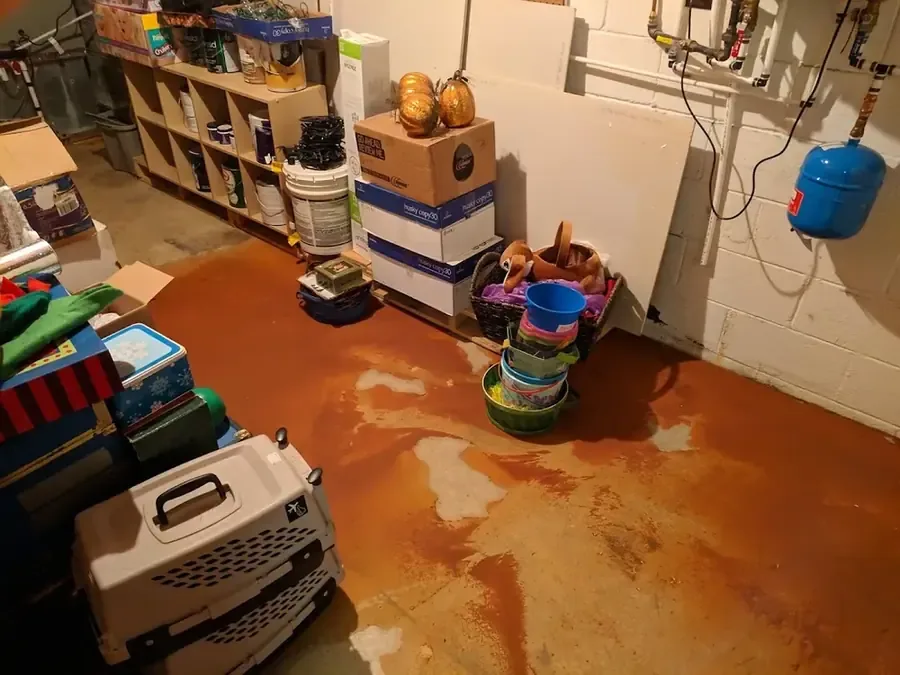
First steps for water heater leak cleanup
- 1Shut it down. Close the cold supply to the tank and switch off the gas or the breaker, so the heater cannot add water or heat.
- 2Extract the water. Standing water is pulled from the floor, and the drywall base, trim and nearby carpet are checked with a meter.
- 3Follow the flow. Water runs toward floor drains, door thresholds and into adjoining rooms, so those paths get opened or lifted.
- 4Dry and confirm. Air movers and a dehumidifier run until the slab, the wall base and any ceiling below read dry.
How water heater leak cleanup gets handled here
Two dry-outs can look the same on the first afternoon. The readings, the order of the work and the paper trail are what set a complete one apart.
Around-the-clock dispatch
Tanks give out on cold mornings and late nights alike, so dispatch for the drying crew stays open day and night.
IICRC S500 drying standard
Garage slabs, drywall bases and closet floors each get a target under S500 practice, and readings confirm it before equipment leaves.
Claim-ready records
Photos of the tank, the supply connection and the wet area, with the age and tag details noted, help the adjuster see the cause.
Local utility know-how
The Monroe Utilities Department offers gas, electric and water service, so shutting off the right supply to a failing tank is the first job.
What does water heater leak cleanup cost in Monroe, GA?
Water heater leaks run $1,000 to $2,000 on a garage slab, $2,000 to $5,000 for an interior closet and $5,000 to $10,000+ when an attic tank soaks a ceiling.
Four things move the number: the water category, how many square feet got wet, the material class and how soon drying began. The water damage cost calculator gives a planning range, and the firm figure comes after the walkthrough.
Tank in a garage
$1,000 to $2,000- Water squeegeed and extracted
- Wall base metered
- Slab and trim dried
Tank in an interior closet
$2,000 to $5,000- Nearby carpet and pad out
- Baseboards removed
- Subfloor and walls dried
Tank in the attic
$5,000 to $10,000+- Ceiling drywall cut out
- Insulation bagged
- Floor below dried
From first reading to dry: water heater leak cleanup
- 1
Shut off supplies
Cold water to the tank and the gas or power are closed before any cleanup begins.
- 2
Pull the water
Extraction removes standing water from the floor, and the drywall base gets a moisture check.
- 3
Open what is wet
Wet baseboards, insulation or ceiling sections come out where readings call for it.
- 4
Dry to target
Equipment runs until the floors and walls reach the readings of dry reference material.
A water heater can fail slowly through a corroded fitting or all at once when the tank splits. Either way the water heads for the lowest point, which may be a garage slab, a closet floor or the ceiling of the room below an attic tank.
What the cleanup covers
- Cold supply closed and gas or power shut off
- Standing water extracted from the floor
- Drywall base, trim and carpet metered
- Wet baseboards and insulation removed
- Air movers and a dehumidifier set up
- Photos of the tank and the connection
Gas, electric and water all meet here
The city utility offers gas, electric power and water, and a failing tank touches all three. The restoration team keeps the first moves simple: stop the water, make the tank safe, then dry. A plumber handles the tank itself, and replacement waits until the area is dry so the new unit does not sit in a damp floor.
Tank leaking or the floor wet around it? Tell the response team what you see.
Talk to dispatch about water heater leak cleanup: (888) 532-4616Garage, closet or attic
Where the tank sits changes the job. A garage slab dries quickly but the drywall base needs a check, a closet pushes water into carpet and walls, and an attic tank can soak insulation and the ceiling below, which brings in the ceiling leak steps. Larger spreads follow the water extraction process. Mold can start within 24 to 48 hours in damp drywall, so drying begins as the water comes out.
Covering Monroe, GA and the roads around it
Dispatch covers the city and the rest of Walton County, from the historic downtown around the Walton County Courthouse to newer communities such as River Pointe and Belle Woode Estates, across ZIPs 30655 and 30656.
View the full service areaWater Heater Leak Cleanup: what homeowners ask
What gets shut off first on a leaking water heater?
Close the cold supply to the tank and turn off the gas or the breaker feeding it, so the unit stops adding water and heat while the area is cleaned and the plumber is called.
Does a garage tank leak need drying?
Usually yes. Water runs along the slab and wicks into the drywall base and anything stored against the wall, so those get metered even when the floor looks dry.
Is hot water from a tank leak dangerous?
It can scald, so keep away from the area until the supply is off and the water has cooled, and keep everyone clear of the wet floor while the crew gets set up.
Who replaces the tank?
A plumber replaces the tank, while the restoration team handles the water and drying, and the new unit is best installed after readings show the area is dry.
What if the tank is in the attic?
Water usually soaks insulation and comes through the ceiling, so the ceiling is opened, insulation is bagged, and both floors are dried and metered until they match dry readings.
Will insurance cover a water heater leak?
Coverage for the damage often depends on whether the failure was sudden, and the tank itself is usually a maintenance item, so check the policy and keep the records together.
A leaking water heater in Monroe needs shutoffs first, then drying
Tell the drying team where the tank sits and what has gotten wet, and the first steps follow.